Was this sample helpful? Rate it!
Average: 4.8 (19 votes)




Contents
Surgical Nurse Resume: The Essentials
What This Resume Gets Right
How to Write a Surgical Nurse Resume
Key Sections for a Surgical Nurse Resume
Surgical Nurse Resume Summary Examples
Work Experience Examples for a Surgical Nurse
Best Skills for a Surgical Nurse Resume
Certifications for a Surgical Nurse
Surgical Nurse Salary Expectations
Common Surgical Nurse Resume Mistakes
Surgical Nurse Resume FAQs

Summary
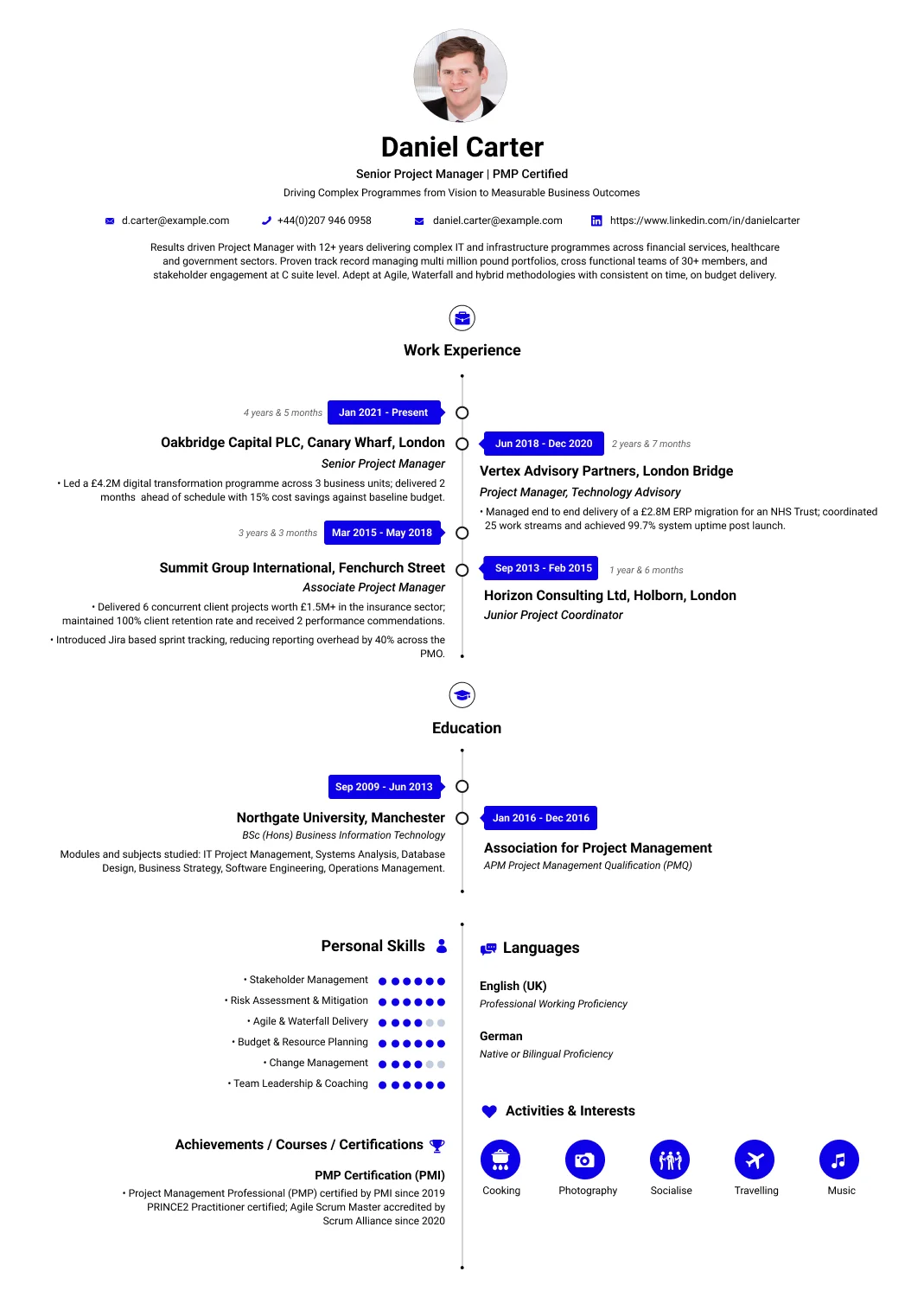
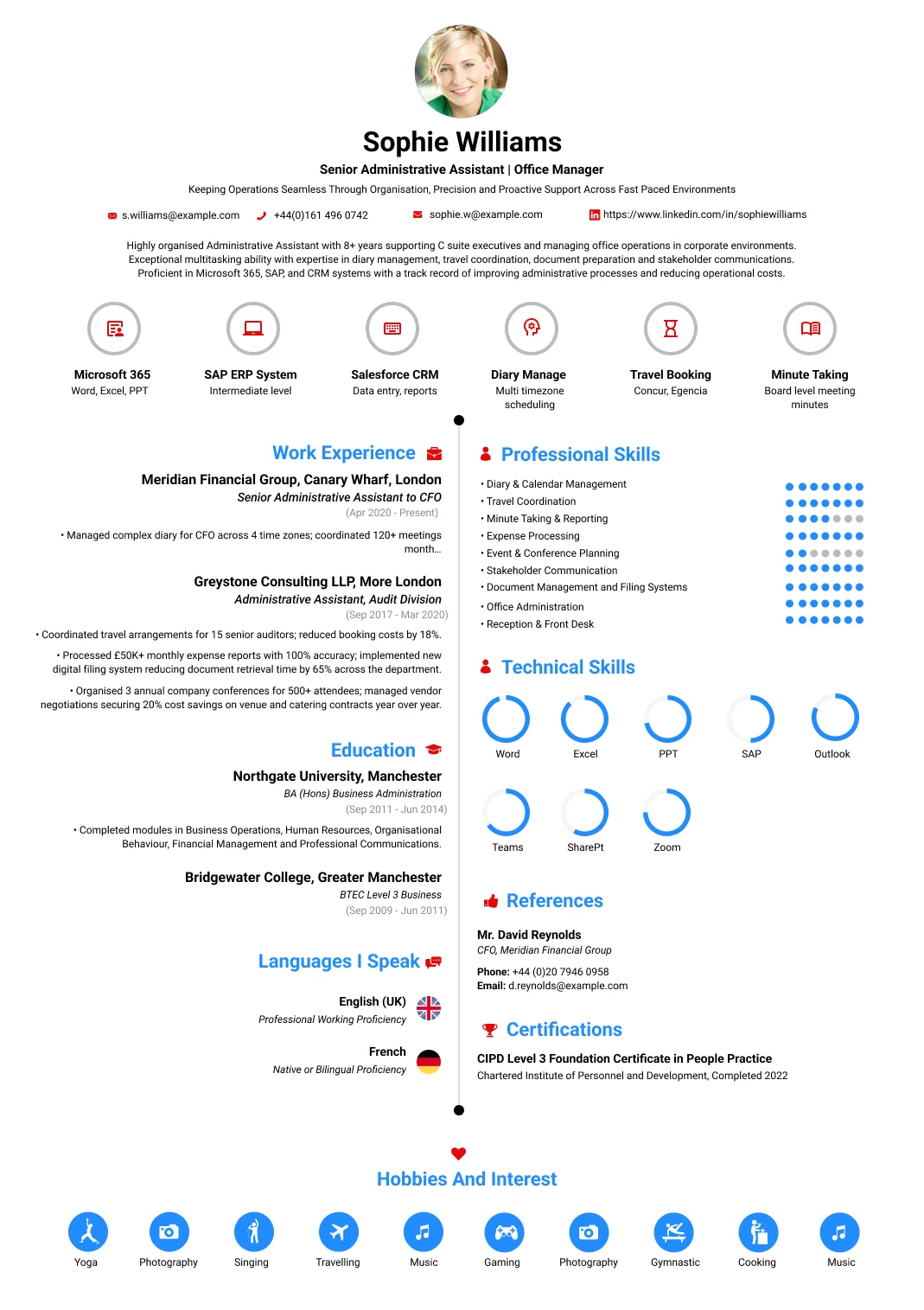
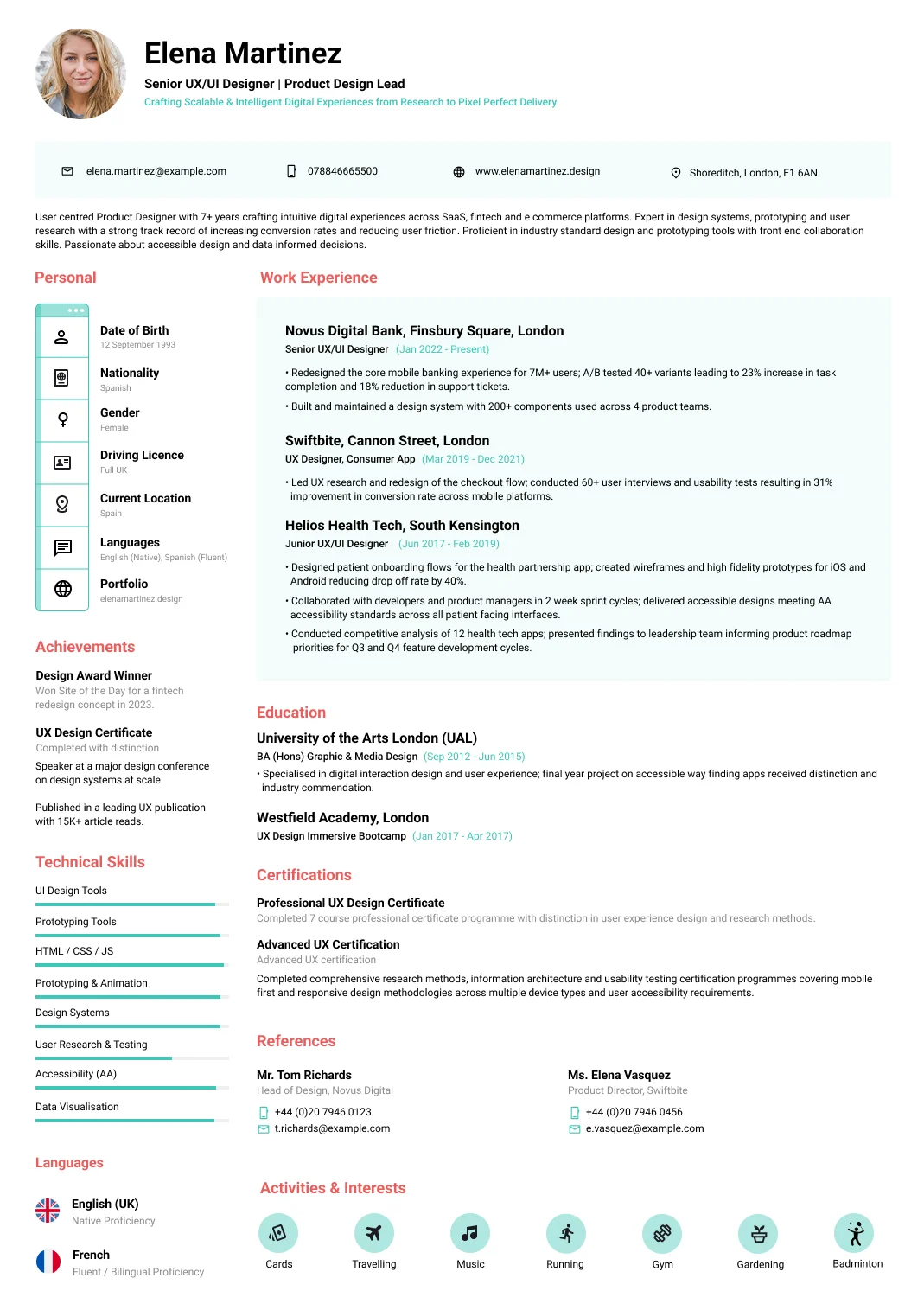
Surgical nurse with nine years in operating theatres at hospitals in Manila, working as both scrub and circulating nurse. Keeps the patient safe through surgery — preparing the theatre and instruments, scrubbing in to assist surgeons, maintaining a sterile field, counting instruments, and anticipating what the team needs at every stage of an operation. Recognised for flawless sterile technique and for staying calm and sharp through long, complex surgeries. Scrubs and circulates, prepares theatres and instruments, maintains sterility, assists surgeons, and safeguards the patient throughout. Skilled, meticulous and unflappable. Looking for a theatre-nursing role with a surgical unit that values precision, safety and a calm head under pressure.
Work Experience
Surgical Nurse
Manila Surgical Hospital, Manila, Philippines
Jan 2018 – Present
- Keep the patient safe through surgery, anticipating what the team needs at every stage of an operation.
- Recognised for flawless sterile technique and for staying calm and sharp through long, complex surgeries.
- Scrub in to assist surgeons, passing instruments and anticipating each step so the operation flows smoothly.
- Prepare theatres and instruments, setting up correctly and checking everything is ready before surgery begins.
- Maintain a sterile field and count instruments, protecting the patient from infection and from retained items.
- Circulate and safeguard the patient, monitoring the room and the patient throughout the whole procedure.
Theatre Nurse (Junior)
Philippines General Hospital, Manila, Philippines
Feb 2016 – Dec 2017
- Worked in operating theatres as a junior theatre nurse, learning scrub and circulating roles hands-on each day.
- Assisted surgeries and managed instruments under seniors, steadily building theatre skills over the years.
- Learned sterile technique, instruments and theatre safety on the job across nearly two years.
- Gained the certification and experience that led into a full surgical-nurse role of my own.
Education
BSc in Nursing, Nursing
University of Santo Tomas
Jun 2011 – May 2015
- Degree in nursing covering clinical nursing, anatomy, pharmacology and patient care, with clinical placements. The programme built the clinical foundation theatre nursing requires. It led, via specialist training, into the operating theatre.
Perioperative Nursing Certification, Surgical Nursing
Philippine Nurses Association
Jul 2015 – Jan 2016
- Certification in perioperative and operating-theatre nursing covering sterile technique, instruments and patient safety. It validated specialist competence. It supported scrubbing, circulating and keeping patients safe in surgery.
Highlights
Flawless sterile technique
- Recognised for flawless sterile technique. A break in sterility can cause serious infection, so an unblemished record reflects the constant precision and discipline theatre nursing demands of every single case.
Calm through complex surgery
- Stayed calm and sharp through long, complex surgeries. When an operation is difficult and hours long, a nurse who stays focused and anticipates the team's needs is exactly what keeps the patient safe.
Certification
Perioperative Nurse (Certified)
Philippine Nurses Association
Jan 2016 – Present
- Holds certification in perioperative and operating-theatre nursing covering sterile technique, instruments and patient safety, which validated specialist competence and grounds scrubbing, circulating and keeping patients safe in surgery.
Recognition
Trusted in the theatre
- Relied on by surgeons and the theatre team for precise, anticipatory scrub work and a calm head, often requested for the most complex and lengthy surgeries on the list.
Languages
- English (US) — Full Professional Proficiency
- Filipino — Native or Bilingual Proficiency
Technical Skills
- Scrub Nursing
- Circulating Nursing
- Sterile Technique
- Instrument Management
- Surgical Assisting
- Patient Safety
- Theatre Preparation
- Infection Control
- Instrument Counts
- Team Working
Personal Skills
- Meticulousness
- Calm Under Pressure
- Focus
- Anticipation
- Communication
Activities & Interests
- Smoking
- Fishing
- Music
- Gambling
- Drinking
Surgical Nurse Resume: The Essentials
Before the detail, here is what separates a surgical nurse resume that gets shortlisted from one that reads like a generic ward application:
- Say which phases of the pathway you cover: pre-operative assessment, intraoperative scrub or circulating, post-operative surgical ward, or all three. Hiring managers recruit by phase.
- Name your surgical specialties and case volumes. General, orthopaedic, colorectal and laparoscopic lists are different jobs with different instrument sets and different recovery risks.
- Evidence safety systems by name: WHO checklist, count reconciliation, site marking, MRSA screening. These are the auditable things a surgical unit is legally accountable for.
- Quantify outcomes the unit is measured on, not tasks. Cancellation rates, surgical site infection rates, length of stay and readmissions all belong on a surgical nurse resume.
- Put licensure and perioperative certification in the top third, since a theatre or surgical unit cannot roster an uncertified nurse into a scrub role.
- If you have worked across the pathway, structure the resume by phase rather than chronology, because breadth across pre-op, theatre and ward is a genuine differentiator.
What This Resume Gets Right
The sample belongs to a nurse whose nine years sit firmly inside the operating theatre, and the structure earns its place by making the dual scrub and circulating competence unmissable in the opening lines.
- The summary states scrub and circulating in the same sentence, which matters because many theatre nurses only ever work one of the two and rostering flexibility is what a surgical unit is short of.
- Patient safety is framed as the outcome and the technical work as the method, so instrument counts and sterile field discipline read as risk control rather than a task list.
- Anticipating what the surgical team needs at each stage is stated explicitly, and that is the one quality surgeons name when asked what separates a good scrub nurse from an adequate one.
- The junior theatre role at Philippines General Hospital is kept with its scope described, which shows the specialty was trained into rather than drifted into.
- Perioperative certification sits in its own section rather than being folded into education, so a recruiter can confirm specialist competence without reading the qualifications block.
- Long and complex surgeries are named as the context for composure, which is more useful to a manager than any adjective about working under pressure.
Extra tips
Surgeons rate scrub nurses on anticipation: whether the next instrument arrives before it is asked for.
Write that as sequence knowledge on named procedures, not as a claim about being attentive.
How to Write a Surgical Nurse Resume
Surgical nurse vacancies are written by unit managers who need a specific gap filled, so the resume's job is to state quickly and precisely which part of the surgical pathway you can cover.
Which part of the surgical pathway do you cover?
Open by naming it. Some surgical nurses run pre-operative assessment clinics, some scrub and circulate, some manage post-operative surgical wards, and a smaller group has done all three. A manager recruiting for a pre-admission clinic will discard a resume that only proves intraoperative work, and the reverse is equally true. One sentence at the top solves it.
Name your specialties, lists and case volumes
Write 'general, colorectal and orthopaedic lists averaging six cases a day' rather than 'assisted in surgery'. Specialty determines the instrument sets you know, the implants you handle and the complications you can spot early. If you have covered emergency lists or on-call theatre rotas, say so, because out-of-hours cover is one of the hardest gaps a unit has to fill.
Evidence the safety systems, not just the care
Surgical units are audited on things that have names: the WHO Surgical Safety Checklist, swab and instrument count reconciliation at all four stages, site marking, consent verification, MRSA decolonisation. Referencing them by name shows you worked inside a governed system. 'No retained item or count discrepancy across nine years' is a stronger claim than any description of carefulness.
Use the numbers the surgical unit reports on
Cancellation rate, surgical site infection rate, length of stay, readmission for wound complications and turnaround time between cases are the figures discussed in every surgical governance meeting. Attaching yourself to a movement in one of them puts your resume in the manager's own language.
Senior theatre and surgical unit posts are decided on a small number of applications, and clinical governance detail is difficult to write about without sounding either vague or boastful. If yours is a high-stakes move, a professional clinical resume writing service is worth the outlay.
Show post-operative capability if you have it
Drains, negative pressure dressings, wound dehiscence, ileus recognition, enhanced recovery mobilisation and discharge planning with community nursing are surgical nursing skills that never happen in theatre. If your background is ward-based, lead with them, because units filling surgical ward posts see far too many resumes written as if surgical nursing stopped at the theatre doors.
Put licensure and perioperative certification near the top
State your registration and the jurisdiction, then the perioperative credential. A nurse with CNOR or an equivalent national perioperative certification can be rostered into scrub duties immediately, and that decides whether your application is workable this month or in six months' time.
Key Sections for a Surgical Nurse Resume
Beyond the standard blocks, a surgical resume needs a few things that ward-nursing resumes leave out:
A phase line stating whether you work pre-operative assessment, intraoperative scrub or circulating, post-operative surgical ward, or a combination.
A specialty list naming the surgical services you have covered, with weekly or daily case volumes rather than years alone.
Licensure with jurisdiction, and perioperative certification with the awarding body, since these determine what you can be rostered to do.
A safety and governance line: WHO checklist, count procedure, site marking, specimen handling, infection prevention audit involvement.
Equipment and technique familiarity such as laparoscopic stacks, diathermy, tourniquets, cell salvage, image intensifiers and implant logging.
On-call and emergency theatre availability, which is frequently the deciding factor between two otherwise equal candidates.
Post-operative competencies including drain management, complex wound care, analgesia support and enhanced recovery pathways.
Any preceptorship or student mentoring, because theatre departments train their own and value nurses who can carry that load.
Surgical Nurse Resume Summary Examples
The sample above is a pure theatre profile. These three cover other shapes a surgical nursing career takes, so start from the one closest to your own pathway:
Entry-level resume summary example
Registered nurse with two years on a 28-bed post-operative surgical ward covering colorectal, upper GI and orthopaedic patients, now completing a perioperative preceptorship in scrub and circulating duties. Confident managing surgical drains, negative pressure wound therapy and early warning score escalation for a seven-patient night assignment, with 40 supervised theatre cases logged across general and laparoscopic lists. Contributed to an enhanced recovery audit that brought mean mobilisation after colorectal surgery inside 12 hours. Holds current BLS and ACLS certification and is working toward national perioperative certification. Seeking a surgical nurse post with a rotational theatre and ward structure.
Mid-level resume summary example
Surgical nurse with six years across pre-operative assessment and post-operative surgical care in a 600-bed teaching hospital, covering colorectal, vascular and general surgery. Runs pre-admission clinics screening 20 patients a day for anaesthetic risk, medication holds and fasting compliance, work that cut same-day cancellations on the elective list from 11 percent to under 4 percent. Manages complex wound care, drain removal and enhanced recovery mobilisation on a 30-bed surgical ward, and precepts newly qualified nurses through their first surgical rotation. Certified in perioperative nursing with ACLS current. Seeking a senior surgical nurse role spanning pre-admission and inpatient surgical care.
Senior-level resume summary example
Senior surgical nurse with twelve years across theatre, pre-operative assessment and a 32-bed surgical inpatient unit, including four years coordinating an eight-theatre elective and emergency list. Scrubs and circulates for general, orthopaedic and laparoscopic surgery, and has held zero count discrepancies and no retained surgical items across the full period. Rebuilt the unit's pre-operative screening pathway, which lifted day-of-surgery readiness above 96 percent and freed roughly nine theatre hours a month previously lost to cancellations. Holds CNOR and ACLS, and mentors six perioperative preceptees a year. Seeking a surgical unit lead or theatre coordinator post.
Work Experience Examples for a Surgical Nurse
Surgical nursing splits into three working contexts, and most resumes need at least two of them. Take the bullets nearest your own setting and swap in your real figures:
Pre-operative assessment and admissions
- Ran pre-operative assessment clinics for 18 to 24 elective patients a day, screening comorbidities, medication holds and anaesthetic risk so that same-day cancellations fell from 11 percent to under 4 percent.
- Verified consent, surgical site marking and fasting status against the WHO checklist at every admission, escalating 30 incomplete consents to the responsible surgeon before the patient reached the anaesthetic room.
- Coordinated pre-admission bloods, ECGs and cross-matching across a 40-case weekly list, cutting patients arriving without valid group-and-save results from six a week to fewer than one over two quarters.
- Taught patients and families what to expect through surgery and the first 48 hours after it, with a structured pre-op brief that cut overnight anxiety calls to the surgical ward by roughly a third.
- Screened for MRSA and managed decolonisation across 900 elective admissions a year, holding compliance with the hospital's pre-operative screening standard above 98 percent for four consecutive quarters.
Intraoperative scrub and circulating
- Scrubbed for general, orthopaedic and laparoscopic lists averaging six cases a day, anticipating instrument sequence closely enough that surgeon-requested delays were logged on fewer than one case in fifty.
- Circulated for complex procedures lasting up to nine hours, managing swab, needle and instrument counts at all four required stages with no retained item or reconciliation discrepancy across nine years.
- Set up and checked theatres, implants and specialist trays before each list, catching missing or expired items during the pre-list check rather than mid-procedure on an average of two occasions a month.
- Held sterile field discipline through consecutive contaminated and clean cases, contributing to a surgical site infection rate the unit kept below 1.5 percent against a national benchmark of 2.6 percent.
- Responded to two intraoperative haemorrhages as circulating nurse, activating the massive transfusion protocol and getting blood products into theatre inside eight minutes on both occasions.
Surgical ward and enhanced recovery
- Managed post-operative care on a 28-bed surgical ward at 1:7 overnight, monitoring drains, wound sites and early warning scores so deteriorating patients were escalated around two hours sooner than baseline.
- Delivered enhanced recovery protocols after colorectal and orthopaedic surgery, mobilising patients inside 12 hours and restarting oral intake early, which brought mean length of stay from 6.4 down to 4.8 days.
- Managed complex wounds, negative pressure dressings and surgical drains for up to nine patients a shift, reducing ward readmissions for wound complications by 22 percent across a single financial year.
- Led post-operative pain rounds with the acute pain team, titrating PCA and epidural analgesia so that recorded pain scores above six on the first post-operative day fell by roughly 40 percent.
- Planned discharges with surgeons, physiotherapy and community teams for 25 patients a week, arranging district nurse wound follow-up in advance and cutting delayed discharges by three bed-days weekly.
Best Skills for a Surgical Nurse Resume
Order these by the phase of the pathway you are applying into. A pre-admission clinic manager and a theatre coordinator scan for completely different terms:
Hard skills
- Pre-operative assessment and anaesthetic risk screening
- Consent verification and surgical site marking
- WHO Surgical Safety Checklist
- Scrub nursing
- Circulating nursing
- Sterile technique and asepsis
- Surgical instrument and tray management
- Swab, needle and instrument count reconciliation
- Post-operative monitoring and NEWS escalation
- Surgical drain management
- Complex wound care and negative pressure therapy
- Enhanced recovery after surgery (ERAS) pathways
- Post-operative analgesia, PCA and epidural support
- Surgical complication recognition (haemorrhage, ileus, dehiscence)
- Infection prevention and MRSA decolonisation
- Specimen handling and labelling
- Theatre equipment: diathermy, laparoscopic stacks, tourniquets
- Discharge planning and community nursing handover
- Perioperative documentation and implant logging
Soft skills:
- Anticipation
- Composure in long procedures
- Precision under repetition
- Clear escalation
- Team communication across disciplines
- Patient reassurance before surgery
Certifications for a Surgical Nurse
Registration is the gate; the perioperative and medical-surgical credentials below are what decide which side of the theatre doors a unit can roster you to:
-
RN Licence
— State Board of Nursing (NCLEX-RN) or national nursing regulator Required. State the jurisdiction, since surgical units verify registration before any perioperative credential.
-
CNOR
— Competency & Credentialing Institute (CCI) Optional but heavily preferred for intraoperative roles; requires qualifying perioperative practice hours.
-
CMSRN
— Medical-Surgical Nursing Certification Board (MSNCB) Optional. The credential that carries weight if your surgical work is ward-based rather than in theatre.
-
CRNFA
— Competency & Credentialing Institute (CCI) Advanced credential for nurses first-assisting at the table; a strong signal for senior surgical posts.
-
ACLS
— American Heart Association Expected across surgical services. Two-year renewal, and an expired card can hold up a start date.
Surgical Nurse Salary Expectations
Official data counts surgical nurses within registered nursing rather than as a separate occupation, so use these sourced ranges as the baseline and adjust for theatre on-call, specialty and region:
USD 63,720 – USD 132,680 · typical · US
Registered nurse range across settings; perioperative certification and emergency theatre on-call sit toward the upper half.
GBP 29,970 – GBP 44,962 · entry to senior · UK
NHS Bands 5 to 6; surgical unit coordinators and senior theatre practitioners reach Band 7.
Common Surgical Nurse Resume Mistakes
These are the errors that cost surgical nurses interviews, and almost all of them come from writing the resume as if surgery were one undifferentiated job:
- Writing 'surgical nurse' with no phase attached. A manager filling a pre-admission clinic cannot tell from that whether you have ever assessed a patient before surgery.
- Listing specialties without volumes. 'Orthopaedics and general surgery' says far less than 'orthopaedic trauma lists, five to seven cases daily, including emergency hip fixation'.
- Skipping the count and checklist detail. Count reconciliation and the WHO checklist are the auditable core of surgical safety, and their absence reads as inexperience rather than modesty.
- Treating post-operative care as filler. Drain management, wound dehiscence recognition and ERAS mobilisation are specialist skills, and units hiring for surgical wards actively screen for them.
- Leaving out on-call and emergency theatre experience. Out-of-hours cover is the hardest rota gap to fill, and it is a genuine advantage that many candidates never mention.
- Burying perioperative certification in the education block, where a recruiter checking rostering eligibility will not find it inside a ten-second scan.
- Describing instruments generically. Naming the trays, implant systems and laparoscopic stacks you have handled tells a theatre manager exactly how much orientation you will need.
Surgical Nurse Resume FAQs
The questions surgical nurses ask most often when writing or rewriting their resume:
A surgical nurse cares for patients before, during and after an operation. That covers pre-operative assessment and consent checks, scrubbing or circulating in theatre, and post-operative wound, drain and recovery management on a surgical ward. Individual posts usually focus on one phase, which is why naming yours matters on a resume.
Not quite. Every operating room nurse is a surgical nurse, but surgical nursing also covers pre-operative assessment clinics and post-operative surgical wards, where the operating room nurse never works. If your experience spans more than the theatre, say so explicitly, because that breadth is the thing an operating room title actively hides.
Lead with the phase-specific ones: pre-operative risk screening and consent verification, sterile technique and count reconciliation, or drain management and enhanced recovery, depending on the post. Add the safety systems by name, then the equipment and specialties. Keep soft skills to a short list under the clinical ones.
Registration is mandatory, and a perioperative certification such as CNOR is preferred for theatre roles. For ward-based surgical posts, CMSRN carries more weight than a perioperative credential. ACLS is expected across surgical services, and listing expiry dates saves a round of emails during screening.
Give the setting, the case volume and the outcome. 'Circulated for six-case general and orthopaedic lists daily, with no count discrepancy across four years' beats any description of duties. Volumes and safety metrics let a manager judge your exposure without a phone call.
Lead with post-operative surgical ward work, which is genuine surgical nursing and directly relevant. Name the specialties whose patients you recovered, the wound and drain work you managed, and any observed or supervised theatre hours. Then state clearly that you are seeking a rotational or preceptorship route into scrub duties.
Two pages suits most surgical nurses, and it is the right length once you are listing specialties, case volumes, safety systems and certifications. One page only works in the first year or two of practice. Cutting the case volumes and count record to reach one page removes precisely what a surgical unit reads for.
Get Started With Our
Free Resume Creator today!
Free sign-up. No credit card required.