Was this sample helpful? Rate it!
Average: 5.0 (23 votes)




Contents
Key Takeaways for an Operating Room Nurse Resume
Why This Operating Room Nurse Resume Works
How to Write an Operating Room Nurse Resume
What to Include in an Operating Room Nurse Resume
Operating Room Nurse Resume Summary Examples
Operating Room Nurse Work Experience Examples
Top Operating Room Nurse Skills
Certifications for an Operating Room Nurse
Operating Room Nurse Salary
Common Operating Room Nurse Resume Mistakes
Operating Room Nurse Resume FAQs

Summary
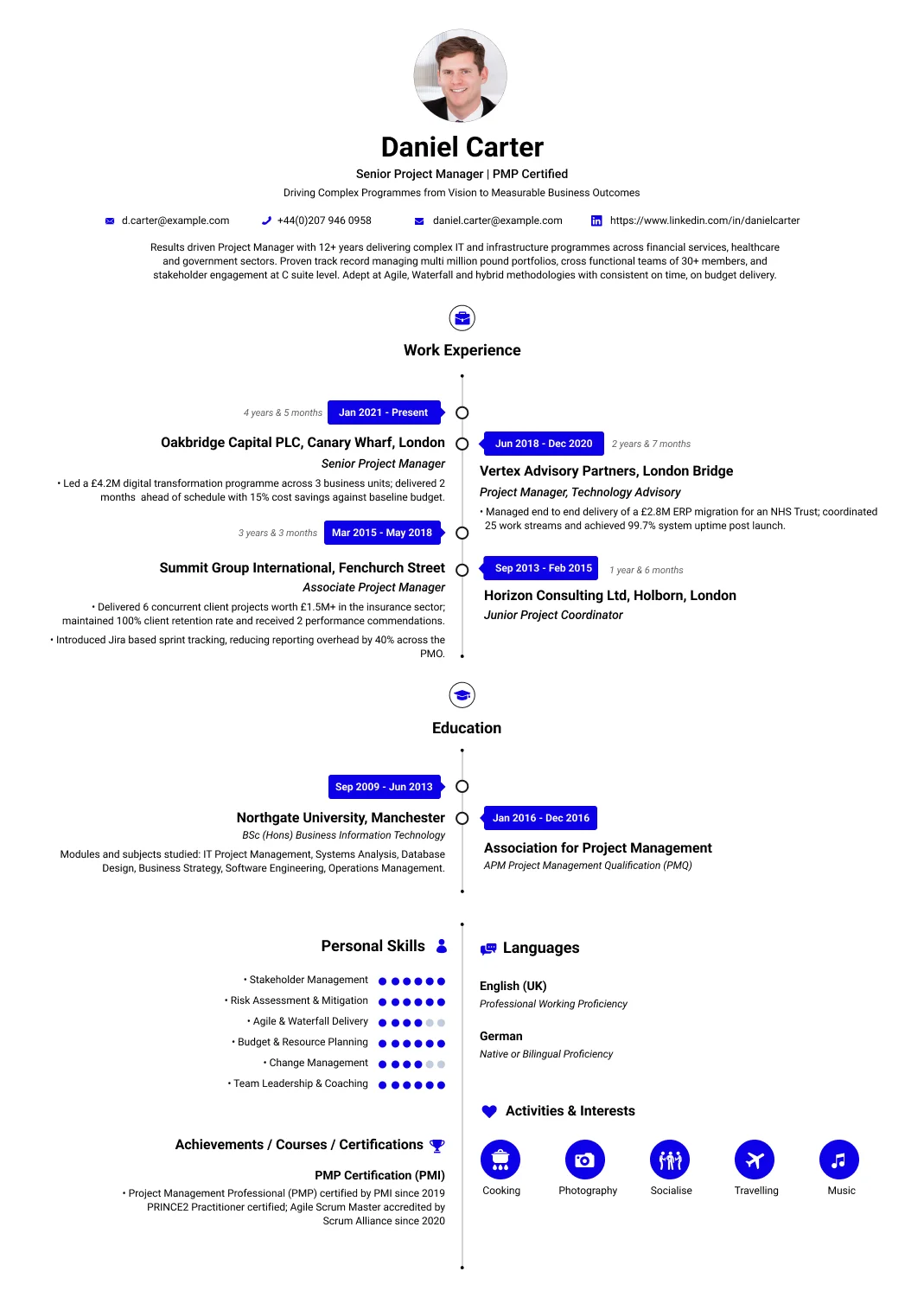
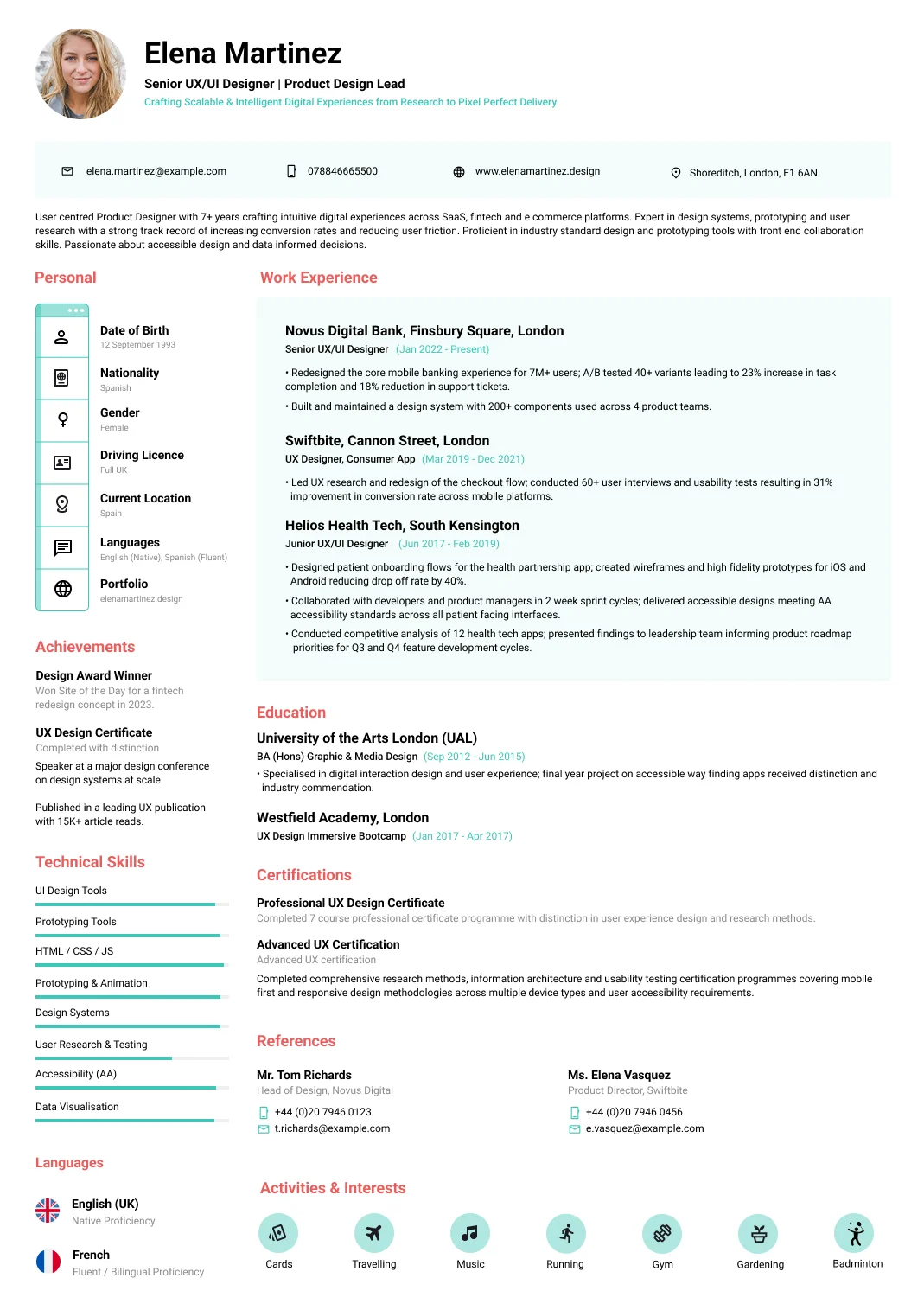
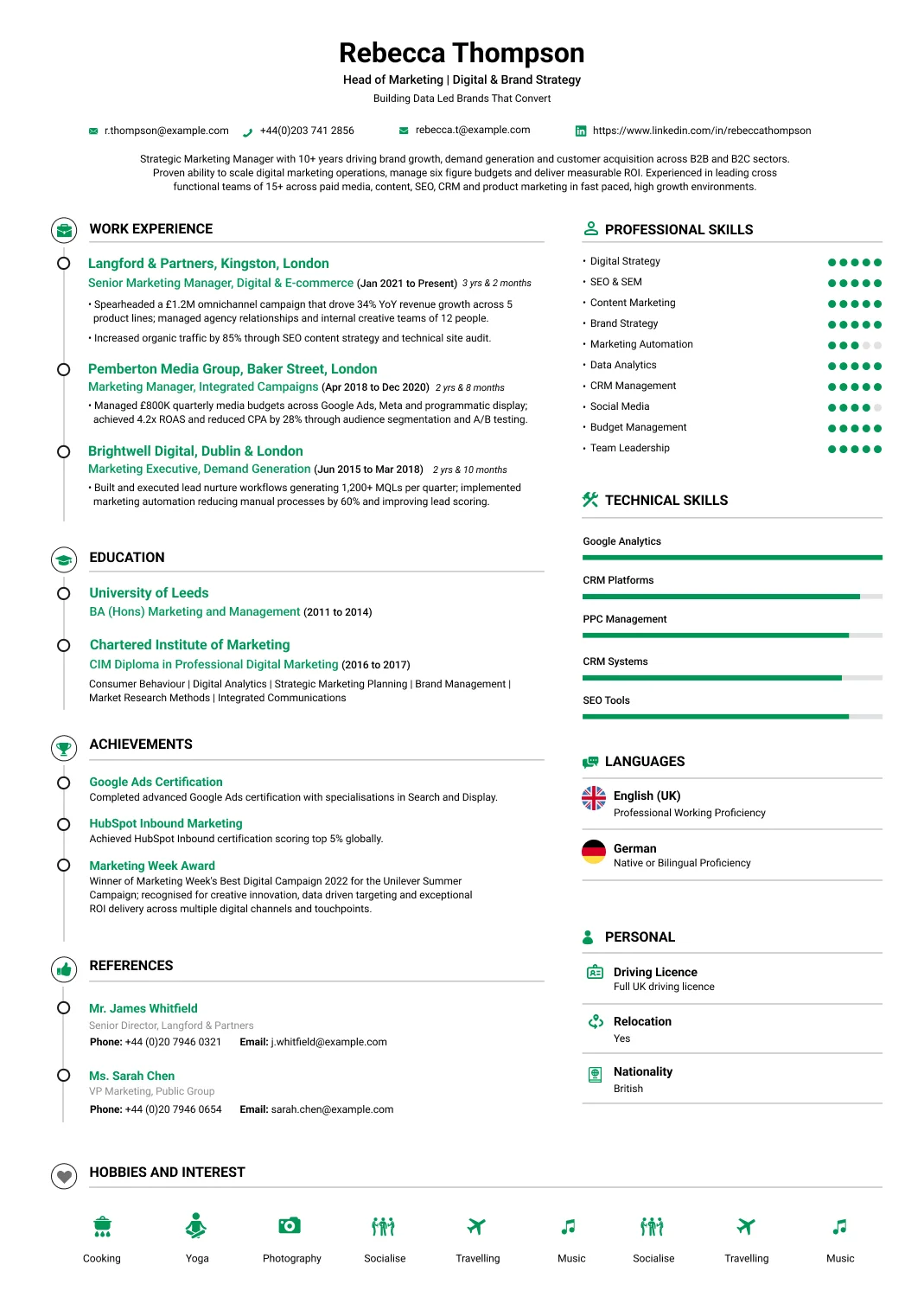
Operating room nurse with nine years working in surgical theatres at a major hospital in Melbourne, skilled in both scrub and circulating roles. Works in the most exacting environment in nursing — preparing the theatre and instruments, anticipating the surgeon's needs, maintaining a sterile field, accounting for every instrument and swab, and keeping the patient safe through surgery. Recognised for flawless instrument counts and for staying calm and sharp in emergencies. Scrubs and circulates for surgery, prepares theatres and instruments, maintains sterility, monitors patient safety, and supports the surgical team. Precise, calm and dependable. Looking for an operating-room or perioperative nursing role with a surgical unit that values precision and patient safety above all.
Work Experience
Operating Room Nurse
Melbourne Surgical Hospital, Melbourne, Australia
Jan 2017 – Present
- Work in the most exacting environment in nursing, keeping the patient safe through every stage of surgery.
- Recognised for flawless instrument counts and for staying calm and sharp when emergencies arise in theatre.
- Scrub and circulate for a range of surgeries, anticipating the surgeon's needs and keeping the case flowing.
- Prepare theatres and instruments precisely, having everything sterile, checked and ready before the patient arrives.
- Maintain the sterile field and account for every instrument and swab, where a single error could seriously harm a patient.
- Monitor patient safety and support the surgical team, being a calm, precise presence throughout the operation.
Registered Nurse
Victoria General Hospital, Melbourne, Australia
Dec 2014 – Dec 2016
- Worked as a ward and surgical nurse, building clinical experience before specialising in theatres.
- Cared for surgical patients and assisted procedures, steadily developing perioperative skills over time.
- Learned surgical care, sterility and theatre practice on the job during these first years.
- Gained the certification and experience that led into a full operating-room nursing role of my own.
Education
Bachelor of Nursing, Nursing
University of Melbourne
Feb 2011 – Nov 2014
- Bachelor of Nursing covering clinical nursing, anatomy, patient safety and care, with clinical placements. The degree built the clinical foundation behind perioperative nursing. It led into hospital nursing and then theatres.
Perioperative Nursing Certification, Perioperative Nursing
Australian College of Perioperative Nurses
Jan 2015 – Dec 2015
- Specialist certification in perioperative nursing covering scrub, circulating and theatre practice to a recognised standard. It built specialist theatre competence. It supported safe, precise nursing during surgery.
Highlights
Flawless instrument counts
- Recognised for a flawless instrument-count record across years in theatre. A miscount can mean an item left inside a patient, so a perfect record reflects exactly the precision and discipline OR nursing demands.
Calm in emergencies
- Known for staying calm and sharp when surgical emergencies arise. When something goes wrong in theatre, a nurse who stays clear-headed and acts fast genuinely helps protect the patient's life.
Certifications
Perioperative Nursing Certification
Australian College of Perioperative Nurses
Dec 2015 – Present
- Specialist certification in perioperative nursing covering scrub, circulating and theatre practice to a recognised standard, which built specialist theatre competence and supports safe, precise nursing during surgery.
Recognition
Trusted in theatre
- Trusted by surgeons and theatre managers with complex and high-stakes cases, valued for the precision, calm and reliability she brings to every operation and often asked to mentor newer theatre nurses.
Languages
- English (UK) — Native or Bilingual Proficiency
- Italian — Limited Working Proficiency
Technical Skills
- Scrub Nursing
- Circulating Nursing
- Sterile Technique
- Instrument Counts
- Theatre Preparation
- Surgical Procedures
- Patient Safety
- Emergency Response
- Surgical Team Support
- Infection Control
Personal Skills
- Precision
- Calm Under Pressure
- Focus
- Reliability
- Teamwork
Activities & Interests
- Dreaming
- Ski
- Cleaning
- Pool
- Karate
Key Takeaways for an Operating Room Nurse Resume
Perioperative recruiting starts with credentials and specialty, so lead with both:
- Put licence and certifications in the header, since these are hard filters confirmed before anything else is read.
- Say whether you scrub, circulate or both, because these are genuinely different roles inside the same operating room.
- Name your surgical services across general, orthopaedic, cardiac, neuro or trauma, as instrumentation differs entirely.
- Give case volume and room count, which establishes the pace of the department you have actually worked in.
- Show count and sterile technique discipline, since a retained item is among the most serious events in surgery.
- Include call and trauma experience, because out of hours cover is what perioperative departments struggle to staff.
Why This Operating Room Nurse Resume Works
This sample belongs to a perioperative nurse working across general and orthopaedic surgery, and it distinguishes the two roles clearly.
- Licence and CNOR certification appear in the header, which is exactly where a perioperative recruiter looks before anything else.
- Scrub and circulating capability are stated separately, since these are different skill sets and departments staff against both.
- Surgical services are named individually, because orthopaedic and cardiac instrumentation demand entirely separate knowledge.
- Case volume and room count are given, letting a manager judge the pace of the department the candidate has worked within.
- Count discipline and sterile technique are described, since a retained surgical item is among the most serious events possible.
- Call and trauma cover appear, and out of hours availability is what perioperative departments most consistently struggle to staff.
How to Write an Operating Room Nurse Resume
A perioperative manager wants credentials, specialty fit and somebody who can take call.
Credentials in the header
Registered nurse licence with state and expiry, compact status, CNOR certification, BLS and ACLS. These are hard filters, and a perioperative recruiter confirms every one of them before reading any of your experience.
State scrub and circulate separately
Which you do, how long in each, and whether you can take either assignment. Scrubbing and circulating are genuinely different skills, and a department staffing a room needs to know what you can cover on any given day.
Name your services
General, orthopaedic, cardiac, neurosurgery, vascular, urology, trauma, obstetric. Instrumentation, positioning and the pace differ enormously between services, and managers recruit against the specialties their rooms actually run.
Give volume and department size
Cases per day or week, number of operating rooms, whether academic, community or ambulatory. A sixteen room academic centre and a four room community hospital are genuinely different working environments.
Show count and sterile discipline
Count practice, sterile field management, specimen handling, instrument processing knowledge. A retained surgical item is among the most serious events in healthcare, and rigour here is what a manager most needs to trust.
Include call and trauma
Call rotation carried, emergency cases covered, trauma experience. Out of hours cover is the hardest thing for a perioperative department to staff, so willingness and capability there makes you materially more attractive.
Perioperative recruiters screen on licence, certification and service specialty first. You can build a free operating room nurse resume and keep your credentials, specialties and case volume at the top.
What to Include in an Operating Room Nurse Resume
Beyond the standard sections, a perioperative manager checks specifically for these:
Licence and certifications in the header with state, expiry and compact status, plus CNOR where you hold it.
Scrub and circulating capability stated separately, including how long you have worked in each of the roles.
Surgical services named individually across general, orthopaedic, cardiac, neuro, vascular and trauma.
Case volume and department size covering cases per day, room count and the type of facility you worked in.
Count and sterile technique practice, alongside specimen handling and instrument processing knowledge.
Call rotation and emergency experience, plus any charge nurse, preceptor or committee responsibility held.
Extra tips
Name each surgical service alongside the specific procedures you have scrubbed or circulated rather than the service alone.
Instrumentation knowledge is specialty-specific, and a manager needs to know which rooms you could genuinely work in tomorrow.
Operating Room Nurse Resume Summary Examples
Two summaries at different stages, both separating scrub from circulating and naming services:
Entry-level resume summary example
Registered nurse with eighteen months in perioperative services following a periop training programme, holding current BLS and ACLS certification. Circulates independently across general surgery and gynaecology in a six room community department running around twenty cases a day, and scrubs general cases under supervision while building instrument familiarity. Manages documentation, positioning, specimen handling and count practice as circulator, and advocates for a patient who cannot speak for themselves. Participates in the call rotation and prepares instrumentation and implants before each case. Working toward CNOR certification and is looking for a role with orthopaedic exposure.
Senior-level resume summary example
CNOR certified registered nurse with seven years in perioperative services, scrubbing and circulating across general, orthopaedic and vascular surgery in a twelve room academic department. Scrubs complex orthopaedic cases including joint replacement and spinal instrumentation, where the instrument sets are extensive and a delay at the field directly extends anaesthetic time. Circulates with rigorous count and sterile technique discipline, and has no retained item events across that period. Takes call including trauma, precepts new perioperative nurses through orientation and serves as relief charge managing room assignments and case flow. Targeting a perioperative educator position.
Operating Room Nurse Work Experience Examples
Three sets covering the shape of perioperative work, since scrubbing, circulating and department contribution are assessed separately.
Scrub role and surgical support
- Scrubbed general, orthopaedic and vascular cases in a twelve room academic department, anticipating the surgeon's next instrument rather than waiting to be asked, which is what keeps a case moving properly.
- Handled complex orthopaedic instrumentation including joint replacement and spinal sets, where the trays are extensive and a delay at the field directly extends the patient's anaesthetic time.
- Maintained the sterile field rigorously throughout every case and challenged breaks in technique regardless of who caused them, since infection risk does not respect seniority in an operating room.
- Prepared and checked instrumentation and implants before each case, because discovering a missing implant size after the incision has been made is a genuinely serious problem for the patient.
- Adapted to unplanned changes during procedures including conversions and complications, where the instrumentation required changes immediately and the room has no time to consult a reference.
Circulating role and patient advocacy
- Circulated with rigorous count discipline across instruments, sponges and sharps, with no retained item events across seven years in an environment where that outcome is never acceptable.
- Advocated for patients who were unable to speak for themselves under anaesthesia, including challenging positioning and pressure injury risk that the rest of the room had not identified.
- Positioned patients safely for extended procedures with attention to nerve and pressure injury, since a positioning injury from a routine case can leave lasting damage that was entirely avoidable.
- Managed specimen handling and labelling accurately, because a mislabelled specimen can result in a wrong diagnosis or a repeated procedure for a patient who should never have needed one.
- Documented the intraoperative record accurately and contemporaneously, which is both a legal record and the account that every subsequent clinician relies on to understand what actually happened.
Department contribution and development
- Took call including trauma and emergency cases, which is the hardest thing for a perioperative department to staff and the availability that makes a nurse genuinely valuable to a manager.
- Served as relief charge nurse managing room assignments and case flow, balancing the schedule against staffing and equipment availability while emergency cases were arriving unannounced.
- Precepted new perioperative nurses through their orientation, building independence gradually since the operating room is an environment where an unprepared nurse cannot safely be left alone.
- Maintained CNOR certification alongside BLS and ACLS, which is the recognised professional marker distinguishing perioperative competence from general acute care nursing experience.
- Contributed to practice council work on count policy and sterile technique standards, bringing the bedside perspective that policy written away from the operating room tends to miss entirely.
Top Operating Room Nurse Skills
What a perioperative manager screens for, weighted toward specialty depth and count rigour:
Hard skills
- Scrub Role & Instrument Handling
- Circulating Role
- Sterile Technique & Field Management
- Surgical Count Practice
- Patient Positioning
- Specimen Handling & Labelling
- Orthopaedic Instrumentation
- General Surgery Instrumentation
- Vascular & Neuro Instrumentation
- Intraoperative Documentation
- Surgical Time Out & Safety Checklist
- Instrument Processing Knowledge
- Electrosurgery & Equipment Safety
- Emergency & Trauma Cases
- Preoperative Preparation
- Charge Nurse Duties
- Preceptorship
Soft skills:
- Anticipation
- Composure
- Patient Advocacy
- Speaking Up Regardless of Hierarchy
- Precision
- Team Communication
Certifications for an Operating Room Nurse
Credentials are hard filters in perioperative recruiting, so they belong in the header:
-
CNOR Perioperative Nursing Certification
— Competency and Credentialing Institute The recognised specialty credential for perioperative nursing, requiring documented operating room experience and an examination. Frequently preferred or required, and many employers pay a differential for it.
-
Registered Nurse Licence
— Your state board of nursing State the licence number, jurisdiction, expiry and whether it is a compact multistate licence. Compact status matters considerably for travel positions and for employers recruiting across state lines.
-
Basic and Advanced Cardiac Life Support
— American Heart Association Required in perioperative services without exception. Keep the expiry dates visible, since an application with a lapsed certification cannot progress however strong the rest of it happens to be.
-
Certified Surgical First Assistant
— The relevant national certifying body Relevant for nurses moving toward the first assistant role, which carries considerably greater responsibility at the field and a corresponding increase in pay across most surgical departments.
Operating Room Nurse Salary
Perioperative nursing generally pays above general medical-surgical, with call pay adding substantially:
USD 78,000 – USD 145,000 · Operating room nurse · US
The registered nurse median is around $97,550. Perioperative roles typically sit above it, with CNOR differentials, call pay and travel contracts adding considerably more.
Common Operating Room Nurse Resume Mistakes
These weaken applications screened on credentials and specialty fit:
- Burying licence and certifications, when they are hard filters a perioperative recruiter confirms before reading anything else.
- Not distinguishing scrub from circulating, since these are genuinely different roles and a department staffs against both separately.
- Leaving surgical services unnamed, when orthopaedic and cardiac instrumentation require entirely different knowledge to handle.
- Omitting case volume and room count, so a manager cannot judge the pace of department you have genuinely worked within.
- Skipping count and sterile technique practice, when a retained surgical item is among the most serious events in all of healthcare.
- Leaving out call availability, which is the hardest thing for a perioperative department to staff and therefore the most valued.
Operating Room Nurse Resume FAQs
The questions perioperative nurses most often search when applying, answered directly:
A scrub nurse works sterile at the surgical field handling instruments and anticipating the surgeon's needs. A circulator manages everything outside the field including documentation, positioning, specimens and patient advocacy.
Licence and certifications in the header, whether you scrub or circulate or both, your surgical services, case volume and room count, count and sterile technique practice, and your call and trauma availability.
Not to start, but many employers prefer it and some require it after a set period. It needs documented perioperative hours before you can sit it, and it usually carries a pay differential once held.
Look for a perioperative training programme, since most departments run structured courses for nurses transitioning in. Emphasise any procedural, sterile technique or high-acuity experience you already have.
Lead with scrub and circulating capability and your surgical services, then sterile technique, count practice and patient positioning. Add specimen handling, intraoperative documentation and equipment safety.
It pays above general medical-surgical nursing and offers strong career progression toward first assistant, educator or management. The trade-offs are call requirements and a working environment that suits some temperaments far better than others.
Get Started With Our
Free Resume Creator today!
Free sign-up. No credit card required.