Was this sample helpful? Rate it!
Average: 4.9 (28 votes)




Contents

Summary
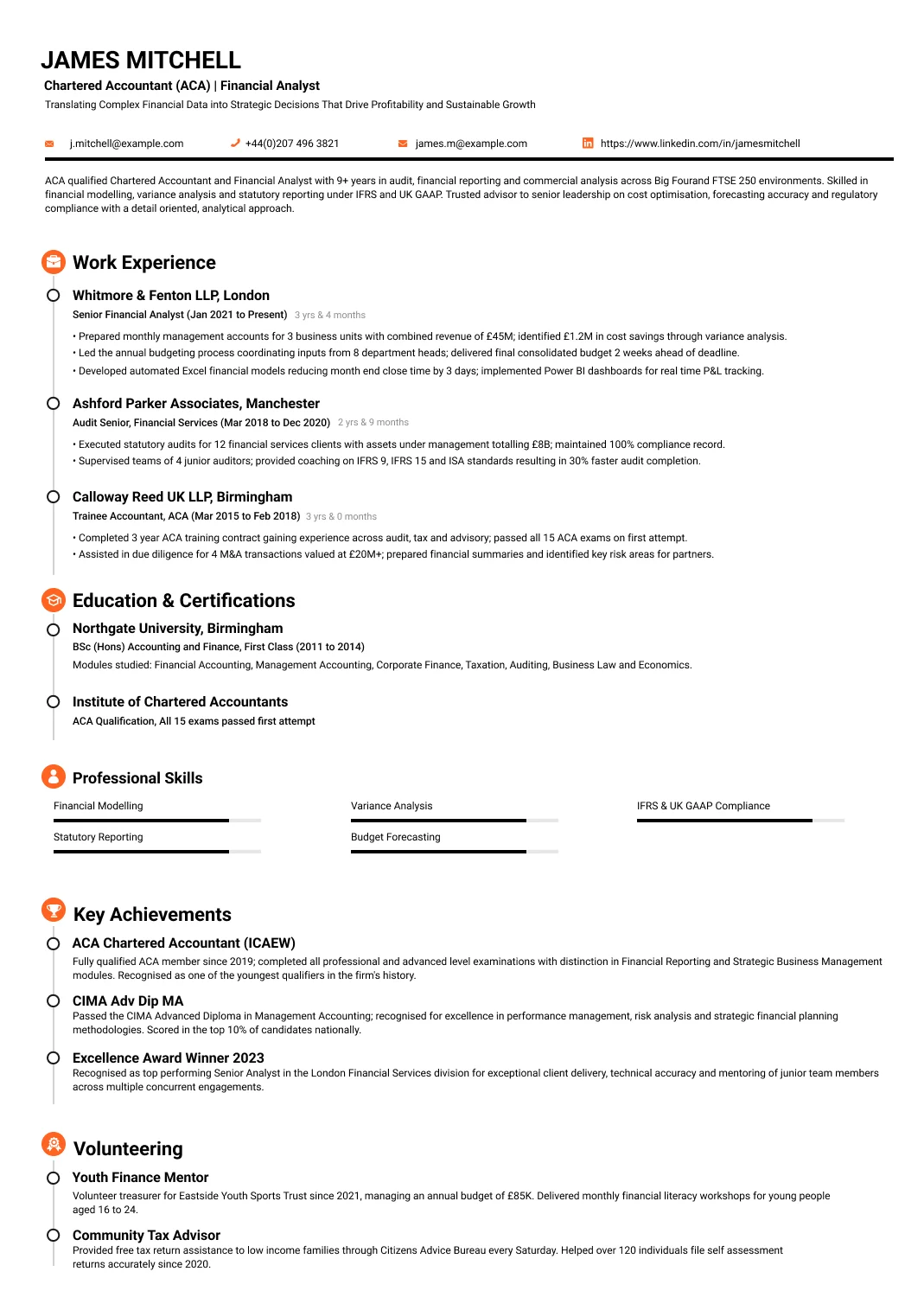
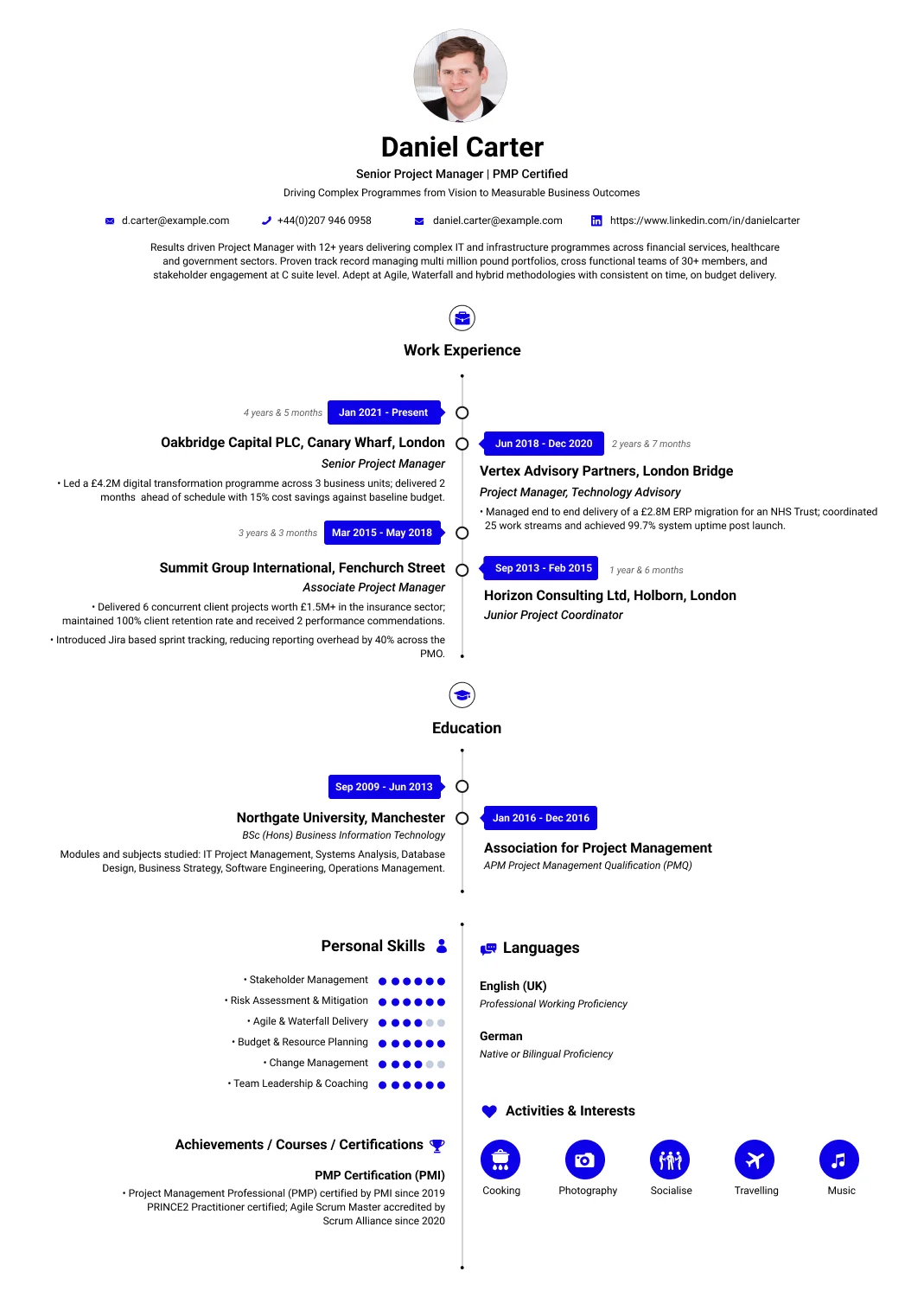
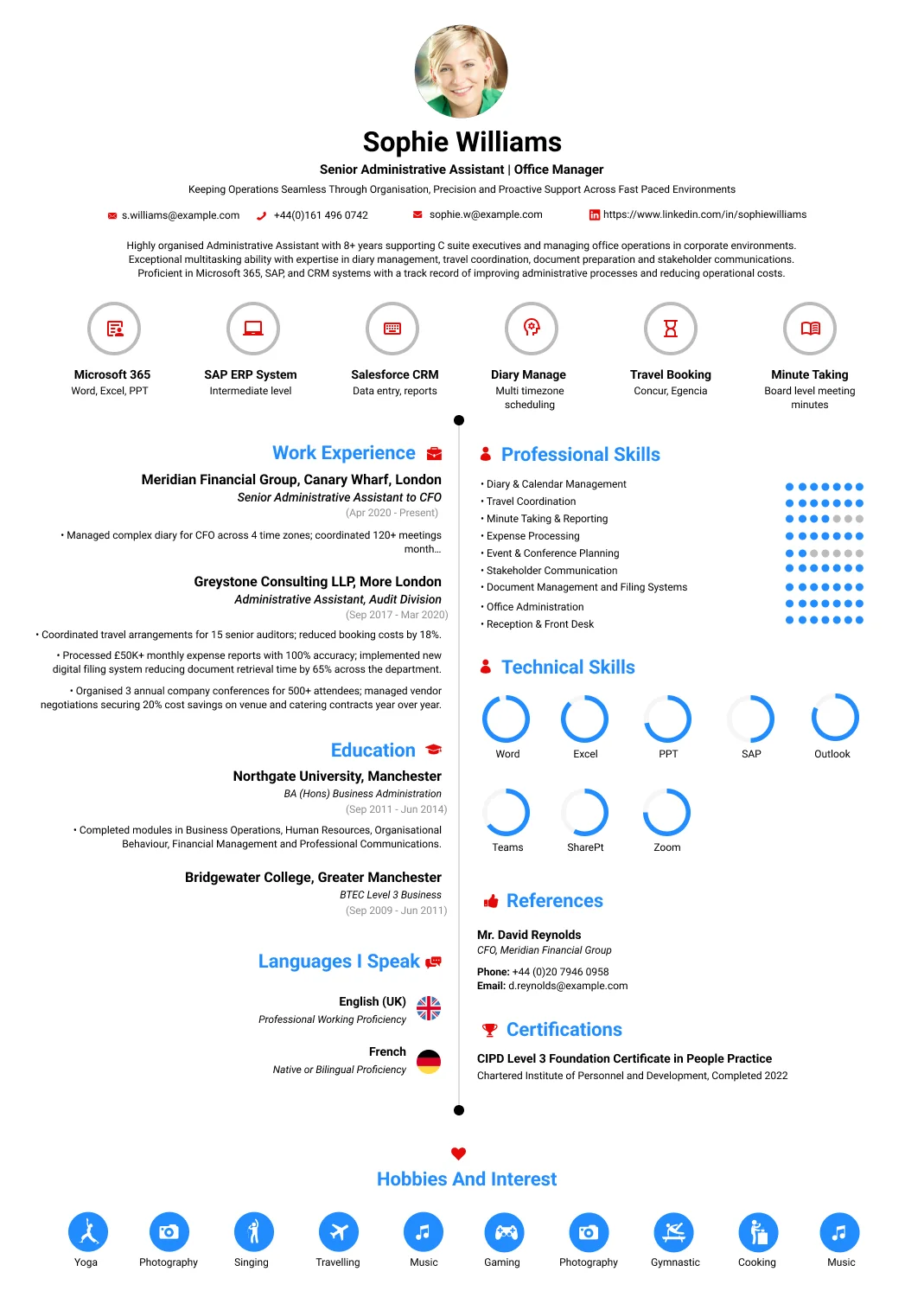
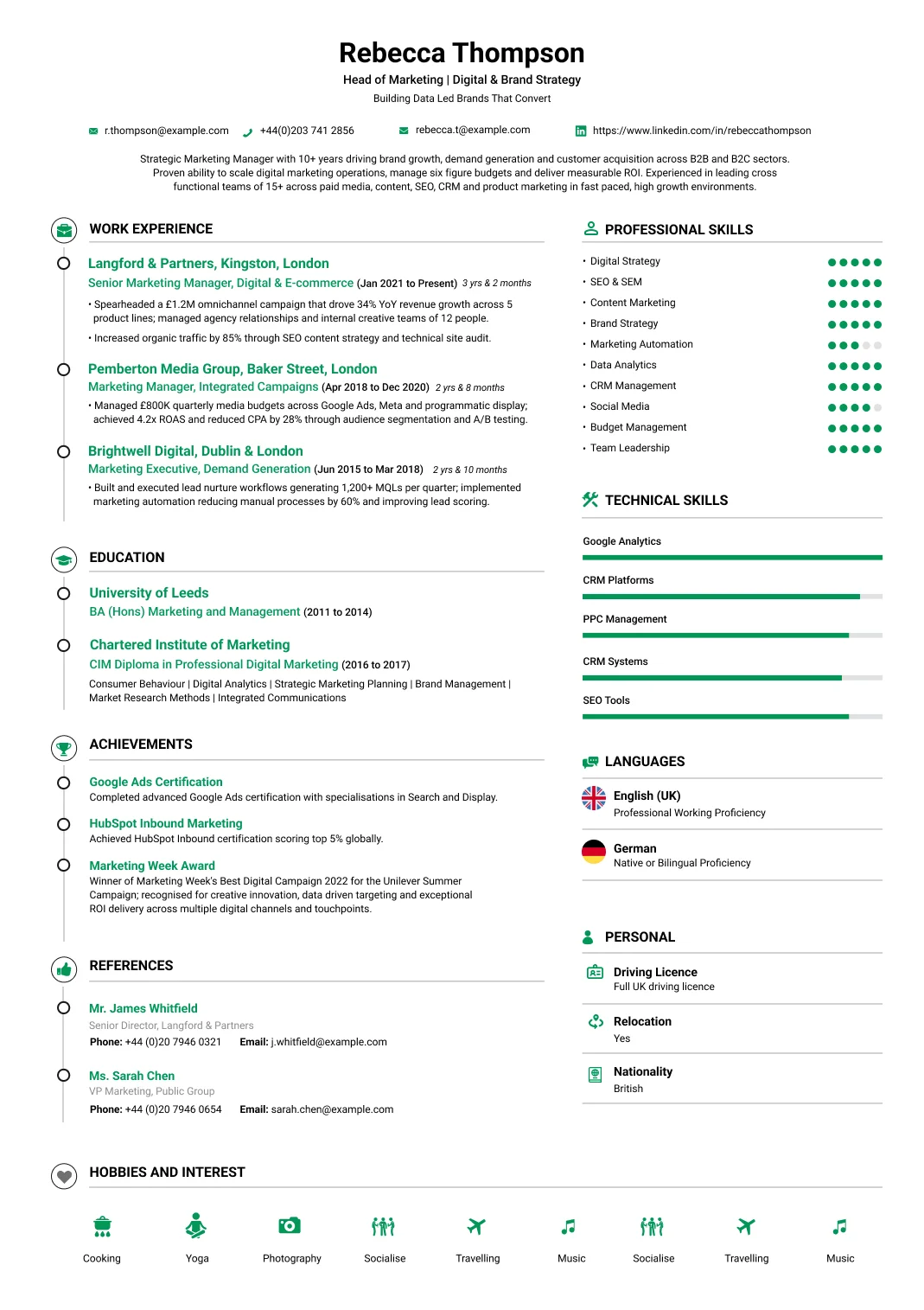
Certified registered nurse anesthetist with fourteen years administering anesthesia across surgical, obstetric and trauma cases at hospitals in New Orleans. Carries a case independently from the pre-operative assessment through induction, maintenance and emergence, keeping the patient safe and stable at every step. Built deep experience in difficult airways and high-acuity trauma, and now mentors student nurse anesthetists through their clinical rotations. Manages regional and general techniques, runs anesthesia for complex patients with serious comorbidities, and stays calm when a stable case suddenly is not. Methodical, vigilant and trusted by surgeons and patients alike. Looking for a CRNA role with a hospital or group that values autonomy, high standards and a strong anesthesia team.
WORK HISTORY
Certified Registered Nurse Anesthetist
Crescent City Surgical Hospital, New Orleans, LA
Jan 2014 – Present
- Administer anesthesia independently across surgical, obstetric and trauma cases, carrying each one from pre-op assessment through to recovery.
- Conduct thorough pre-operative evaluations, building an anesthetic plan around each patient's airway, comorbidities and the planned procedure.
- Manage general and regional techniques and complex airways, adjusting agents and support continuously to keep patients safe and stable.
- Respond calmly when a stable case suddenly destabilises, intervening decisively during airway, cardiac or hemodynamic emergencies in theatre.
- Mentor and precept student nurse anesthetists through clinical rotations, building the vigilance and judgement the specialty depends on.
- Collaborate closely with surgeons, anesthesiologists and the perioperative team so cases run safely, smoothly and on schedule.
Staff CRNA
Bayou Regional Medical Center, Baton Rouge, LA
Dec 2010 – Dec 2013
- Provided anesthesia across a broad general surgical caseload, managing induction, maintenance and emergence for patients of every acuity.
- Handled emergency and after-hours cases, including trauma and obstetric anesthesia, staying composed and precise under real time pressure.
- Learned advanced airway management, regional techniques and case autonomy on the job across three years in a busy department.
- Built the high-acuity experience that led to a CRNA role at a dedicated surgical hospital.
Qualification
Doctor of Nursing Practice (Nurse Anesthesia), Nurse Anesthesia
Louisiana State University Health Sciences Center
Aug 2007 – Dec 2010
- Doctoral nurse-anesthesia program covering pharmacology, physiology, anesthesia techniques and extensive clinical residency. The program built the independent clinical judgement the role demands across the full range of surgical cases. It qualified national certification and autonomous anesthesia practice.
BSN in Nursing, Nursing
Tulane University
Aug 2001 – May 2005
- Bachelor of science in nursing covering medical-surgical care, pharmacology and critical care, with acute clinical rotations. The degree and subsequent ICU experience built the foundation required for anesthesia training. It set the path toward becoming a nurse anesthetist.
Licensure & Certification
Certified Registered Nurse Anesthetist (CRNA)
National Board of Certification and Recertification for Nurse Anesthetists
Jan 2011 – Present
- National certification and state licensure authorizing independent anesthesia practice, maintained through ongoing continued-education and recertification requirements. It is the credential that underpins autonomous case management and confirms the clinical standard applied in every procedure.
Highlights
Difficult-airway expertise
- Built deep experience managing difficult airways and high-acuity trauma cases where the margin for error is small. Reliable airway management under pressure is the skill that most directly keeps anesthesia patients safe.
Develops the next CRNAs
- Mentors student nurse anesthetists through clinical rotations, passing on the vigilance and decision-making the specialty requires. Training capable, careful anesthetists protects patients far beyond any single operating room.
Advanced Airway Management
Advanced Airway Management
American Association of Nurse Anesthesiology
Apr 2019 – May 2019
- Completed an advanced course on difficult-airway algorithms, video laryngoscopy and emergency surgical airways. It sharpened the techniques used when a routine airway becomes a crisis and reinforced the calm, structured response such situations demand.
Languages
- English (US) — Native or Bilingual Proficiency
- French — Professional Working Proficiency
Technical Skills
- General Anesthesia
- Regional Anesthesia
- Airway Management
- Pre-Op Assessment
- Anesthesia Pharmacology
- Hemodynamic Management
- Trauma & OB Anesthesia
- Crisis Management
- Student Preceptorship
- Perioperative Care
Personal Skills
- Vigilance
- Composure
- Clinical Judgement
- Precision
- Teamwork
Activities & Interests
- Drinking
- Ghost Hunting
- Play Piano
- Dart
- Radio
Key Takeaways for a CRNA Resume
Certification, case mix and practice model decide the assignment:
- State certification and licensure first, since both are verified before anything else is considered.
- Describe your case mix, covering the surgical specialties and patient populations you have managed.
- Name the practice model, as independent practice and the care team model differ considerably.
- Give case volume and acuity, which tells a group the pace and complexity you are used to carrying.
- Include obstetric and trauma experience separately, since both are distinct competencies.
- Show the difficult airway and emergency work, because that is where the role is genuinely tested.
Why This CRNA Resume Works
This sample gives an anesthesia group what it needs to assign cases.
- Certification and licensure appear first, which is verified before any clinical detail is read.
- The case mix is specific across surgical, obstetric and trauma rather than described generally.
- The practice model is named, since autonomy differs substantially between settings and states.
- Case volume and acuity are given, which conveys the pace and complexity actually carried.
- Difficult airway and emergency management appear, which is where the role is genuinely tested.
- Independent case management is evidenced from assessment through to emergence and recovery.
How to Write a CRNA Resume
Credential, case mix, practice model, acuity.
Lead with certification
National certification, state licensure and recertification status. These are verified before any clinical experience is read, and in some states practice authority depends on specifics worth stating.
Describe the case mix
Surgical specialties, patient populations and anesthesia techniques. A group is assigning cases, so they need to know whether you have managed cardiac, paediatric, obstetric or trauma work.
Name the practice model
Independent practice, the anesthesia care team model, or medical direction. These differ substantially in autonomy and vary by state and facility, which affects what you can be assigned.
Give volume and acuity
Cases per week and the patient acuity involved. A high volume outpatient list and a trauma service are different working lives, and the figures establish which one you have carried.
Separate obstetric and trauma
Both are distinct competencies with their own demands. Obstetric anesthesia and emergency trauma work are each specifically screened for, so list them rather than folding them into general practice.
Show the difficult cases
Difficult airway management, emergency inductions and the cases that did not go as planned. This is where the role is genuinely tested and where an interview conversation will go.
Certification, case mix and practice model are what an anesthesia group reads first. You can build a free CRNA resume and set out your credential, case types and autonomy clearly.
What to Include in a CRNA Resume
Beyond the standard sections, anesthesia groups screen for these:
National certification and state licensure with recertification status.
Case mix covering surgical specialties, patient populations and anesthesia techniques.
Practice model worked, covering independent practice, care team or medical direction.
Case volume per week and the acuity of the patient population.
Obstetric and trauma anesthesia experience, listed separately from general practice.
Difficult airway management, regional techniques and emergency case experience.
Extra tips
State whether you worked independently, in a care team model or under medical direction.
Autonomy varies by state and facility, and a group needs to know before they can assign you cases.
CRNA Resume Summary Examples
Two summaries at different stages, both credential led:
Entry-level resume summary example
Certified registered nurse anesthetist, nationally certified and state licensed, working general surgical and orthopaedic cases within an anesthesia care team model. Carries cases from preoperative assessment through induction, maintenance and emergence, escalating appropriately within the model. Comfortable with general and regional techniques including spinal and peripheral blocks. Brings several years of intensive care nursing before anesthesia training, which shows in the management of unstable patients. Monitors and adjusts continuously through maintenance, since a stable patient can change within a minute. Manages emergence and handover to recovery carefully, where complications appear and attention most commonly drops. Seeking a position with obstetric and trauma exposure.
Senior-level resume summary example
Certified registered nurse anesthetist with fourteen years administering anesthesia across surgical, obstetric and trauma cases, carrying cases independently from preoperative assessment through to emergence. Manages difficult airways and emergency inductions, including trauma patients arriving without a workup or a history. Experienced across general, regional and neuraxial techniques, with substantial obstetric volume including emergency caesarean sections. Precepts student registered nurse anesthetists, which means letting somebody learn while remaining entirely responsible for the patient. Holds current certification and licensure in multiple states. Seeking a senior or lead CRNA position.
CRNA Work Experience Examples
Three sets covering practice, since case management, emergency work and the team differ.
Case management across the perioperative period
- Carried cases independently from preoperative assessment through induction, maintenance and emergence, which is the full arc of responsibility rather than a single stage of somebody else's plan.
- Assessed patients preoperatively including comorbidities and airway, since the anesthetic plan is largely determined before the patient reaches the theatre rather than once they are on the table.
- Managed anesthesia across general, regional and neuraxial techniques, selecting the approach for the patient and the procedure rather than defaulting to whichever is most familiar.
- Monitored and adjusted continuously through maintenance, because a stable patient can change within a single minute, and the anesthetist is the person in the room watching for exactly that.
- Managed emergence and handover to recovery carefully, since the period immediately after a case is precisely where complications appear and where everybody's attention most commonly drops.
Emergency, obstetric and difficult cases
- Managed difficult airways including unanticipated ones, where the plan has to change within seconds and the alternatives have to already be prepared rather than considered at the time.
- Provided obstetric anesthesia including emergency caesarean sections, which is an entirely distinct competency involving two patients at once and a timeline that nobody controls once it has begun.
- Anaesthetised trauma patients arriving without a workup or history, where the assessment has to happen alongside the resuscitation rather than before it in any orderly or predictable sequence.
- Managed physiologically unstable patients, drawing on the intensive care experience that preceded anesthesia training, which is exactly where that background becomes most directly useful.
- Responded to intraoperative complications promptly and communicated them clearly to the surgical team, since the theatre needs to know immediately rather than once a situation has developed.
Practice model, team and standards
- Worked within the practice model of each facility, understanding exactly where the autonomy sat, since that varies by state and institution and is a professional boundary rather than a preference.
- Communicated with surgeons and theatre teams throughout cases, because an anesthetist and a surgeon working from different assumptions about a patient is a genuinely dangerous arrangement.
- Documented anesthesia records accurately and contemporaneously, as the record is both a clinical handover and the document examined closely if anything about the case is later questioned.
- Maintained certification and continuing education, which in advanced practice is a formal condition of continuing to work rather than an optional professional development activity.
- Precepted student registered nurse anesthetists through clinical placements, which requires letting somebody learn while remaining entirely responsible for the patient on the table.
Top CRNA Skills
What anesthesia groups screen for:
Hard skills
- General Anesthesia
- Regional Anesthesia
- Neuraxial Techniques
- Difficult Airway Management
- Rapid Sequence Induction
- Obstetric Anesthesia
- Trauma Anesthesia
- Paediatric Anesthesia
- Preoperative Assessment
- Hemodynamic Monitoring
- Ventilator Management
- Pain Management
- Emergency Resuscitation
- Vascular Access
- Anesthesia Record Documentation
- Pharmacology & Dosing
- Equipment Checks
- Post Anesthesia Handover
Soft skills:
- Composure Under Pressure
- Rapid Decision Making
- Theatre Team Communication
- Vigilance
Certification and Licensure for CRNAs
Both are verified before anything clinical is considered:
-
National certification
— NBCRNA The national certification required to practise as a nurse anesthetist, with ongoing recertification requirements. State your certification and recertification cycle status, since both are verified at hire.
-
State advanced practice licensure
— State board of nursing Required to practise, with scope and supervision requirements differing considerably between states. Name the states you hold, since multistate licensure widens where you can be employed.
-
Nurse anesthesia programme
— Accredited doctoral programme The qualifying education, now at doctoral level for new entrants. Name the programme and completion, since accreditation determines certification eligibility and is checked carefully.
-
Advanced life support certifications
— American Heart Association Advanced cardiac and paediatric life support are expected and verified. Keep them current, since a lapse affects your ability to be assigned cases rather than merely being an administrative matter.
CRNA Salary
Among the highest paid advanced practice nursing roles:
USD 190,000 – USD 250,000 · Certified registered nurse anesthetist · US
The O*NET median is around $236,590. Rural and underserved areas frequently pay above metropolitan markets because recruitment is considerably harder there.
USD 240,000 – USD 320,000 · Senior, lead or independent practice · US
Independent practice states, call heavy positions and lead roles pay above the median, as does locum work which trades stability for a substantially higher rate.
Common CRNA Resume Mistakes
These leave a group unable to assign you cases:
- Burying certification and licensure, when both are verified before any clinical detail is read.
- Describing anesthesia generally, rather than naming the surgical specialties and populations covered.
- Omitting the practice model, since autonomy differs substantially by state and by facility.
- Giving no case volume or acuity, which is what establishes the pace you are used to carrying.
- Folding obstetric and trauma into general practice, when both are separately screened competencies.
- Leaving out difficult airway work, which is where the role is genuinely tested and where interviews go.
CRNA Resume FAQs
The questions nurse anesthetists most often search, answered directly:
National certification and state licensure with current status. Both are verified before any clinical experience is considered, and in some states the specifics affect what you may practise.
Because autonomy differs substantially. Independent practice, the care team model and medical direction involve different responsibility, and a group needs to know which you have worked under.
Yes. Obstetric anesthesia is a distinct competency involving two patients and an uncontrollable timeline, and groups covering labour and delivery screen for it specifically rather than generally.
Considerably. It is a prerequisite for training and it shows directly in the management of physiologically unstable patients, so name the unit type and the years rather than only the requirement.
Through the competency rather than the anecdote. Difficult airway management, emergency inductions and unstable patients, without identifying detail. The interview conversation will go there anyway.
Yes, particularly for locum work and for groups operating across state lines. Scope of practice differs between states, so holding several widens both where and how you can practise.
Get Started With Our
Free Resume Creator today!
Free sign-up. No credit card required.