
Was this sample helpful? Rate it!
Average: 4.6 (28 votes)


Contents
Key Takeaways for a Sonographer Resume
Why This Sonographer Resume Works
How to Write a Sonographer Resume
What to Include in a Sonographer Resume
Sonographer Resume Summary Examples
Sonographer Work Experience Examples
Top Sonographer Skills
Certifications for a Sonographer
Sonographer Salary
Common Sonographer Resume Mistakes
Sonographer Resume FAQs

Summary
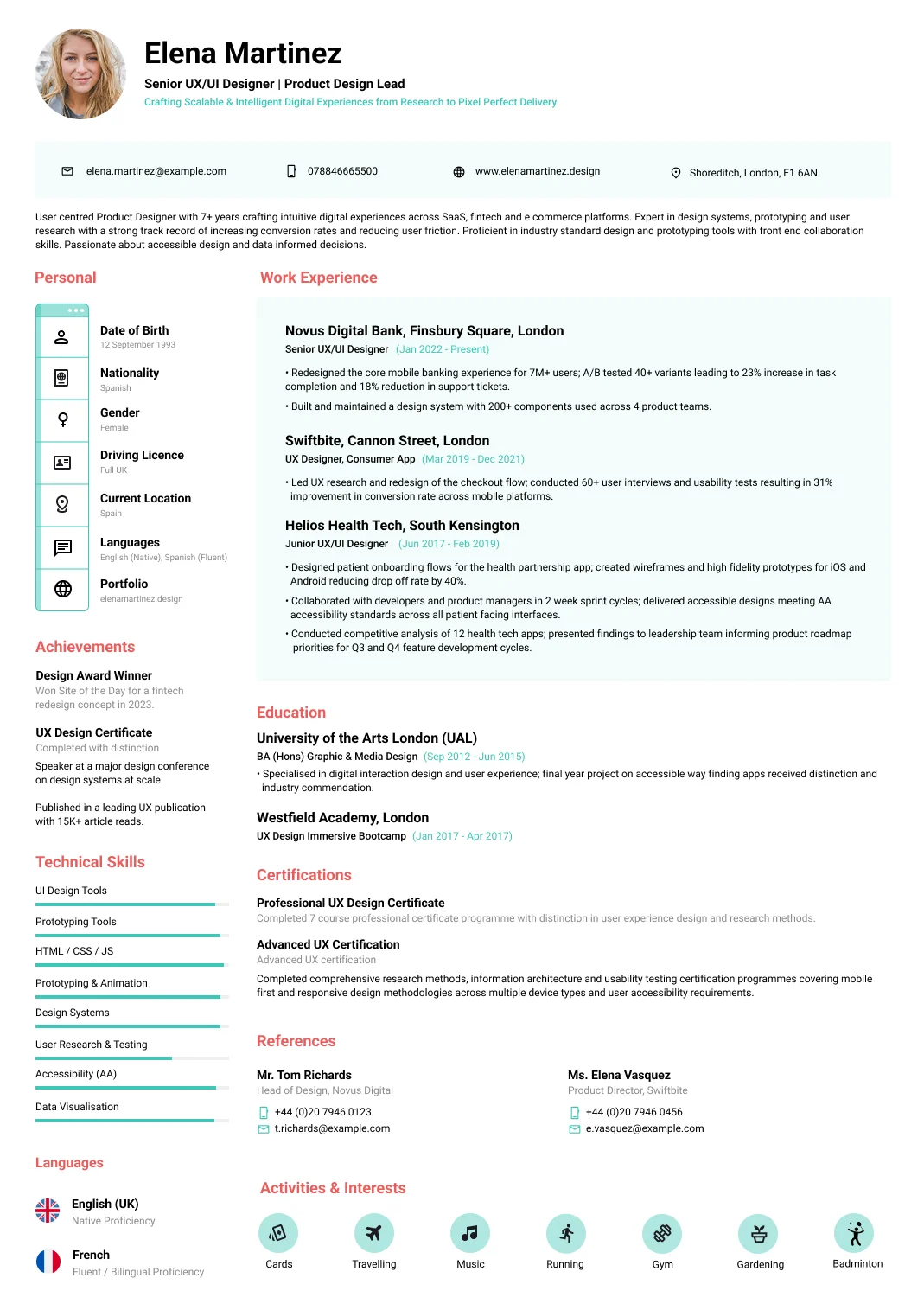
Diagnostic medical sonographer with eight years scanning patients in obstetric and general ultrasound at hospitals in Kuala Lumpur. Sees what the image reveals — performing scans skilfully, capturing the views that lead to a diagnosis, recognising abnormalities in real time, and guiding anxious patients gently through what can be a worrying moment. Recognised for high-quality scans and for catching findings that changed patients' care. Performs and interprets ultrasound scans, captures diagnostic images, recognises abnormalities, reassures patients, and reports findings to clinicians. Skilled, careful and reassuring. Looking for a sonographer role with an imaging department that values both technical scanning skill and genuine care for the patient.
Work Experience
Sonographer
Kuala Lumpur Hospital Imaging, Kuala Lumpur, Malaysia
Jan 2018 – Present
- See what the image reveals, guiding anxious patients gently through what can be a worrying moment.
- Recognised for high-quality scans and for catching findings that changed patients' care and treatment.
- Perform obstetric and general ultrasound scans skilfully, capturing exactly the views a diagnosis needs.
- Recognise abnormalities in real time during the scan, knowing when something needs a clinician's urgent attention.
- Reassure and care for patients throughout, explaining gently and keeping them calm during sensitive scans.
- Report findings clearly to clinicians, giving them accurate images and impressions to base decisions upon.
Junior Sonographer
Malaysia Diagnostic Centre, Kuala Lumpur, Malaysia
Feb 2016 – Dec 2017
- Performed routine ultrasound scans under senior sonographers, learning diagnostic scanning hands-on each day.
- Built scanning technique, image quality and patient-care skills quickly across a busy first period.
- Learned scanning, image capture and patient handling on the job during this first role.
- Gained the certification and experience that led into a full sonographer role of my own.
Education
BSc in Diagnostic Medical Sonography, Sonography
University of Malaya
Sep 2011 – Jun 2015
- Degree in diagnostic medical sonography covering anatomy, ultrasound physics, scanning technique and patient care, with clinical placements. The programme built the clinical foundation sonography requires. It led directly into imaging.
Obstetric & General Sonography Certification, Sonography
Malaysian Society of Ultrasound
Aug 2015 – Jan 2016
- Certification in obstetric and general ultrasound to a recognised standard. It validated specialist scanning competence. It supported performing and interpreting diagnostic ultrasound scans safely and to a high standard.
Highlights
High-quality scans
- Recognised for consistently high-quality diagnostic scans. A clear, correctly captured scan lets clinicians diagnose confidently, so reliable image quality directly serves both the patient and the doctors who rely on it.
Catching findings that mattered
- Caught findings during scans that changed patients' care. Recognising an abnormality in real time can change a diagnosis and a treatment, and is exactly where a skilled sonographer makes a real difference.
Certification
Certified Sonographer
Malaysian Society of Ultrasound
Jan 2016 – Present
- Holds certification in obstetric and general ultrasound to a recognised standard, which validated specialist scanning competence and grounds performing and interpreting diagnostic ultrasound scans safely and to a high standard.
Recognition
A trusted, caring scanner
- Valued by clinicians for reliable, high-quality scans and by patients for her calm, reassuring manner, often called on for the most sensitive and complex scans in the department.
Languages
- English (UK) — Full Professional Proficiency
- Malay — Native or Bilingual Proficiency
Technical Skills
- Ultrasound Scanning
- Obstetric Sonography
- General Sonography
- Image Interpretation
- Abnormality Recognition
- Ultrasound Physics
- Anatomy
- Patient Care
- Reporting
- Image Quality
Personal Skills
- Carefulness
- Patient Reassurance
- Attention to Detail
- Calmness
- Communication
Activities & Interests
- Photography
- Holidays
- Games
- Dating
- Boating
Key Takeaways for a Sonographer Resume
The credentials do most of the screening, so make them impossible to miss:
- List every registry credential with its specialty, since departments hire against the specific certification they need.
- Name your scanning specialties individually, because abdominal, obstetric, vascular and cardiac are separate skill sets.
- Give your exam volume per day alongside the setting, as hospital and outpatient workloads differ considerably.
- Name the ultrasound equipment you have operated, since platform familiarity shortens orientation on a busy department.
- Show image quality and protocol adherence, because a technically poor study forces a repeat and delays a diagnosis.
- Include the reporting workflow, covering preliminary findings, PACS and how you communicate urgent results.
Why This Sonographer Resume Works
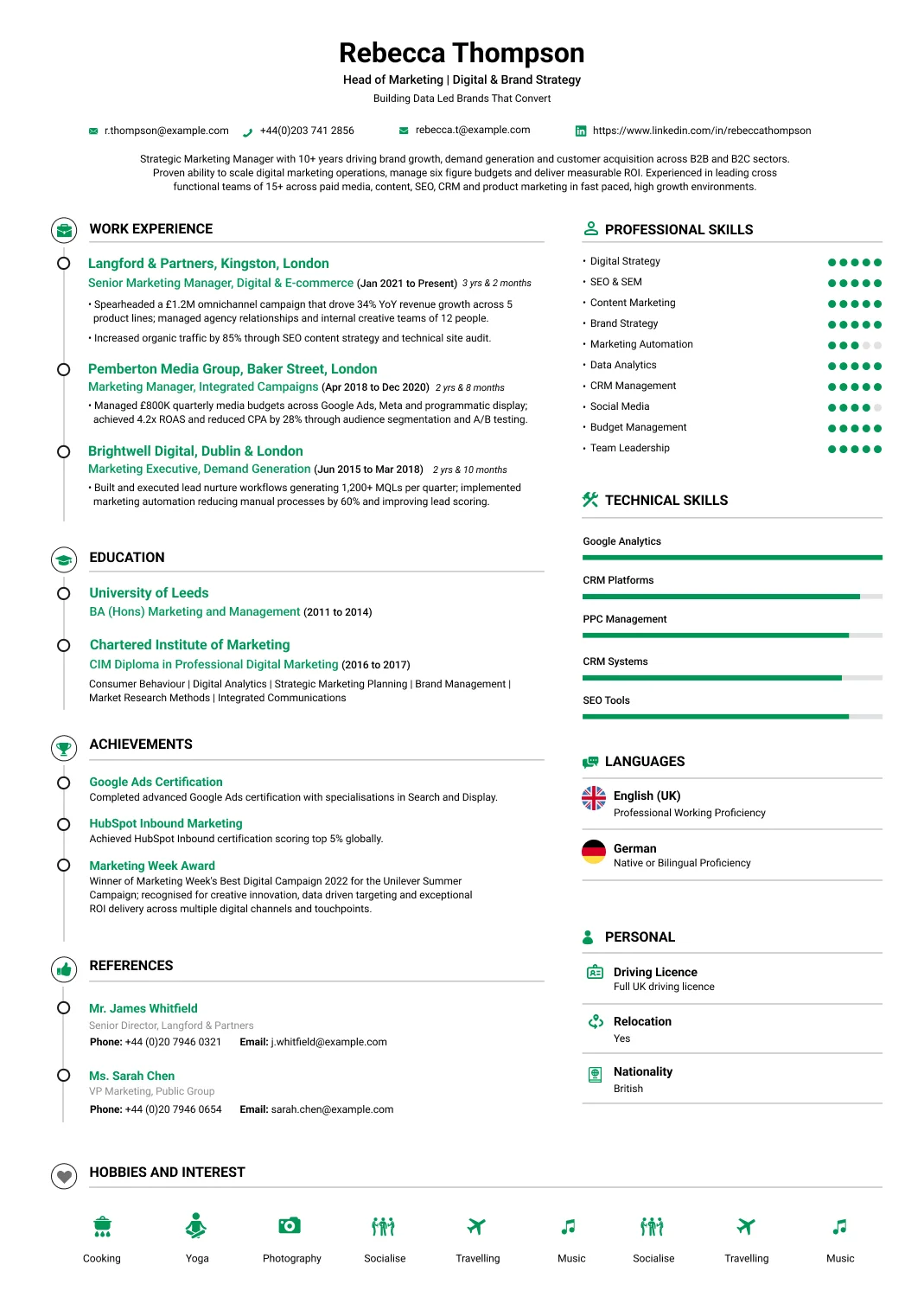
This sample belongs to a registered sonographer, and it leads with what a department actually screens on.
- Registry credentials appear with specialties attached, which is the first filter any imaging department applies.
- Scanning specialties are listed individually, since a vascular vacancy cannot be filled by an abdominal sonographer.
- Exam volume and setting are stated, letting a manager judge whether the candidate has worked at their department's pace.
- Equipment platforms are named, which shortens orientation in a department that is already running short on scanning staff.
- Protocol and image quality practice appears, and repeat studies are one of the costs imaging managers watch most closely.
- Urgent finding communication is described, which is a patient safety matter rather than a routine workflow detail.
How to Write a Sonographer Resume
An imaging manager is checking credentials, then specialties, then whether you can hold their volume.
Lead with registry credentials
Every credential with its specialty and expiry, plus your continuing education status and BLS. An expired or unverifiable registration ends an application immediately, so put the dates where they cannot be missed.
Name every specialty
Abdominal, obstetric and gynaecologic, vascular, echocardiography, breast, musculoskeletal, paediatric. Departments hire against a specific modality, and generalist language matches none of the vacancies they post.
Give exam volume and setting
Exams per day, setting, whether inpatient, outpatient or both, and any on call rotation. Volume is the clearest evidence of sustainable pace, and on call availability is frequently the reason a post exists.
Name the equipment
The ultrasound systems and transducers you have worked on, plus the reporting and archiving platforms. Familiarity with a department's own equipment genuinely shortens orientation by a meaningful number of days.
Show technical quality
Protocol adherence, image optimisation, repeat rate, accreditation standards the department worked to. A technically poor study wastes a slot and delays a diagnosis, so quality evidence carries real weight here.
Include the clinical interface
Preliminary findings provided to radiologists, urgent result communication, patient preparation and comfort. Sonographers make real time decisions during a study, which distinguishes this from other imaging work.
Credentials and scanning volume are what a department checks first. You can build a free sonographer resume and keep your registry credentials, specialties and exam volumes together.
What to Include in a Sonographer Resume
Beyond the standard sections, an imaging manager screens specifically for these:
Registry credentials listed individually with specialty, credential number, expiry date and continuing education status.
Scanning specialties named separately, covering abdominal, obstetric, vascular, cardiac and any subspecialty work.
Exam volume per day with the setting, whether inpatient or outpatient, and any on call or weekend rotation carried.
Ultrasound platforms and transducers operated, alongside the reporting and image archiving systems you have used.
Technical quality evidence including protocol adherence, image optimisation, repeat rates and accreditation standards.
Clinical interface work covering preliminary findings, urgent result communication and patient preparation.
Extra tips
List each registration with its specialty and expiry rather than a single registered sonographer line.
Imaging managers filter on the specialty letters, and a credential without one matches none of their vacancies.
Sonographer Resume Summary Examples
Two summaries at different stages, both leading with credentials and specialties:
Entry-level resume summary example
Registered diagnostic medical sonographer credentialed in abdomen and obstetrics and gynaecology, with a year in an outpatient imaging centre. Performs around fourteen studies a day across abdominal, pelvic and obstetric examinations, following departmental protocols fully rather than abbreviating a study when the schedule is running behind. Optimises images carefully for each patient habitus and documents measurements accurately for the reporting radiologist. Communicates urgent findings immediately rather than allowing them to sit in a queue, and prepares patients properly so studies are diagnostic first time. Holds current BLS and continuing education, and seeking a hospital based position.
Senior-level resume summary example
Registered diagnostic medical sonographer with nine years in hospital imaging, credentialed in abdomen, obstetrics and gynaecology, and vascular technology. Performs around eighteen studies a day across inpatient, outpatient and portable examinations, including emergency department work and a shared on call rotation. Provides preliminary findings to radiologists and escalates critical results directly, which is where real time sonographic judgement matters more than in any other imaging modality. Maintains a low repeat rate through consistent protocol adherence, and precepts students and new sonographers through their first months. Seeking a lead sonographer position.
Sonographer Work Experience Examples
Three sets covering the shape of the role, since scanning, technical quality and clinical work separate.
Scanning and clinical practice
- Performed around eighteen studies a day across abdominal, obstetric, gynaecologic and vascular examinations in a hospital setting, covering inpatient, outpatient and portable scanning through a full working shift.
- Adapted scanning technique to patient habitus and clinical condition, since a technically difficult patient still needs a diagnostic study rather than a report explaining why the images were suboptimal.
- Scanned portable studies at the bedside in critical care and the emergency department, working around lines, monitoring and limited positioning without compromising the diagnostic quality of the examination.
- Extended protocols in real time when an unexpected finding appeared, since sonography is an operator dependent modality where what is not imaged during the study simply does not exist for the report.
- Carried a shared on call rotation covering nights and weekends, which is the availability most imaging departments genuinely struggle to fill and which weighs heavily on any hiring decision.
Technical quality and equipment
- Maintained a low repeat rate through consistent protocol adherence and careful image optimisation, since every repeat study costs a scanning slot and delays the diagnosis the referrer was waiting for.
- Optimised gain, depth, frequency and focal settings for each examination rather than working from a default preset, which is the difference between a diagnostic study and a technically acceptable one.
- Documented measurements and annotations consistently to departmental standard, so that comparison across serial studies remained meaningful rather than reflecting variation between individual operators.
- Operated multiple ultrasound platforms and transducer types, and reported equipment faults promptly so that a failing probe was replaced before it quietly degraded studies across an entire week.
- Supported departmental accreditation by working to the required protocol and documentation standards continuously, rather than tightening practice only in the period before a review was scheduled.
Patients, reporting and team
- Provided preliminary findings to radiologists and escalated critical results directly, which is a patient safety responsibility rather than an optional courtesy extended when the schedule happens to allow it.
- Prepared and positioned patients properly including explanation of the examination, which improves both cooperation and image quality far more than most people outside the modality tend to appreciate.
- Handled difficult clinical situations including unexpected findings in obstetric studies with care, staying within scope on what could be said while ensuring the patient was not left alone with alarm.
- Managed the daily schedule alongside add on and urgent requests, keeping the list moving without shortening the studies that genuinely needed the additional time to be completed properly.
- Precepted students and new sonographers through their first months, covering protocol, scanning technique and the judgement about when a study needs extending beyond its standard set of images.
Top Sonographer Skills
What imaging managers screen for, weighted toward credentialed specialties and technical quality:
Hard skills
- Abdominal Sonography
- Obstetric & Gynaecologic Sonography
- Vascular Sonography
- Echocardiography
- Musculoskeletal Sonography
- Doppler & Colour Flow
- Image Optimisation
- Protocol Adherence
- Measurement & Annotation
- Portable & Bedside Scanning
- Ultrasound Equipment Operation
- PACS & Reporting Systems
- Preliminary Findings Reporting
- Critical Result Communication
- Patient Positioning & Preparation
- Infection Control
- Accreditation Documentation
Soft skills:
- Clinical Judgement
- Composure
- Patient Communication
- Physical Care & Ergonomics
- Precision
Certifications for a Sonographer
These are hiring prerequisites rather than advantages, and the specialty on each one matters:
-
Registered Diagnostic Medical Sonographer
— American Registry for Diagnostic Medical Sonography The core credential, awarded by specialty such as abdomen or obstetrics and gynaecology. State each specialty separately, since departments hire against the exact one their vacancy requires.
-
Registered Vascular Technologist
— American Registry for Diagnostic Medical Sonography Required for vascular laboratory work and a distinct credential from general sonography. Vascular positions are frequently harder to fill, which makes this registration genuinely valuable on the market.
-
Registered Diagnostic Cardiac Sonographer
— American Registry for Diagnostic Medical Sonography The credential for echocardiography, in adult, paediatric or fetal specialties. Cardiac sonography is a separate career track rather than an extension of general diagnostic ultrasound work.
-
Basic Life Support Certification
— American Heart Association Required in virtually every clinical imaging setting and must be current. Keep the expiry date visible, since a lapsed card stalls applications that would otherwise have progressed without any delay.
Sonographer Salary
Pay varies by specialty, setting and region, with vascular and cardiac generally above general diagnostic work:
USD 72,000 – USD 125,000 · Sonographer · US
National median is around $96,590. Multiple registry credentials, on call availability and high cost of living regions all push toward the upper end of the range.
USD 100,000 – USD 145,000 · Lead sonographer or imaging supervisor · US
Adds scheduling, quality oversight and student or new staff supervision to the scanning workload.
Common Sonographer Resume Mistakes
These cost interviews in a field where credentials are verified before anything else:
- Listing credentials without their specialties, when departments hire against a specific registration rather than a general one.
- Leaving expiry dates off, since an unverifiable or lapsed registration stalls an application before it is properly read.
- Describing yourself as a generalist, which matches none of the modality specific vacancies imaging departments post.
- Omitting exam volume, so a manager cannot judge whether you have sustained the pace their department actually runs at.
- Never mentioning repeat rate or protocol adherence, despite technical quality being what imaging managers watch most.
- Leaving out on call availability, when call cover is frequently the specific reason a sonographer post was opened.
Sonographer Resume FAQs
The questions sonographers most often search when applying, answered directly:
Registry credentials with specialties first, then scanning modalities and exam volume. Add image optimisation, protocol adherence, equipment platforms, PACS, preliminary findings and critical result communication.
Yes, with the specialty and expiry date. Departments verify registrations before hiring, so including the detail removes a verification step and confirms your credential is current rather than merely claimed.
Exams per day, repeat rate, turnaround on urgent studies, accreditation reviews passed, and students precepted. Departments track most of these and will confirm them, and almost no applicant includes any.
Not required, but additional registrations widen the departments that can hire you considerably. Vascular and cardiac credentials in particular open positions that general diagnostic sonographers cannot fill.
Lead with your registry credential and programme accreditation, then list clinical rotation hours by specialty with exam types and approximate numbers. Departments read rotation volume as genuine experience.
Mention scanning ergonomics practice rather than injury history. Work related musculoskeletal injury is common in this profession, and managers value sonographers who protect their own scanning longevity.
Get Started With Our
Free Resume Creator today!
Free sign-up. No credit card required.