Was this sample helpful? Rate it!
Average: 4.8 (31 votes)




Contents
Key Takeaways for a Mental Health Technician Resume
Why This Mental Health Technician Resume Works
How to Write a Mental Health Technician Resume
What to Include in a Mental Health Technician Resume
Mental Health Technician Resume Summary Examples
Mental Health Technician Work Experience Examples
Top Mental Health Technician Skills
Training for a Mental Health Technician
Mental Health Technician Salary
Common Mental Health Technician Resume Mistakes
Mental Health Technician Resume FAQs

Summary
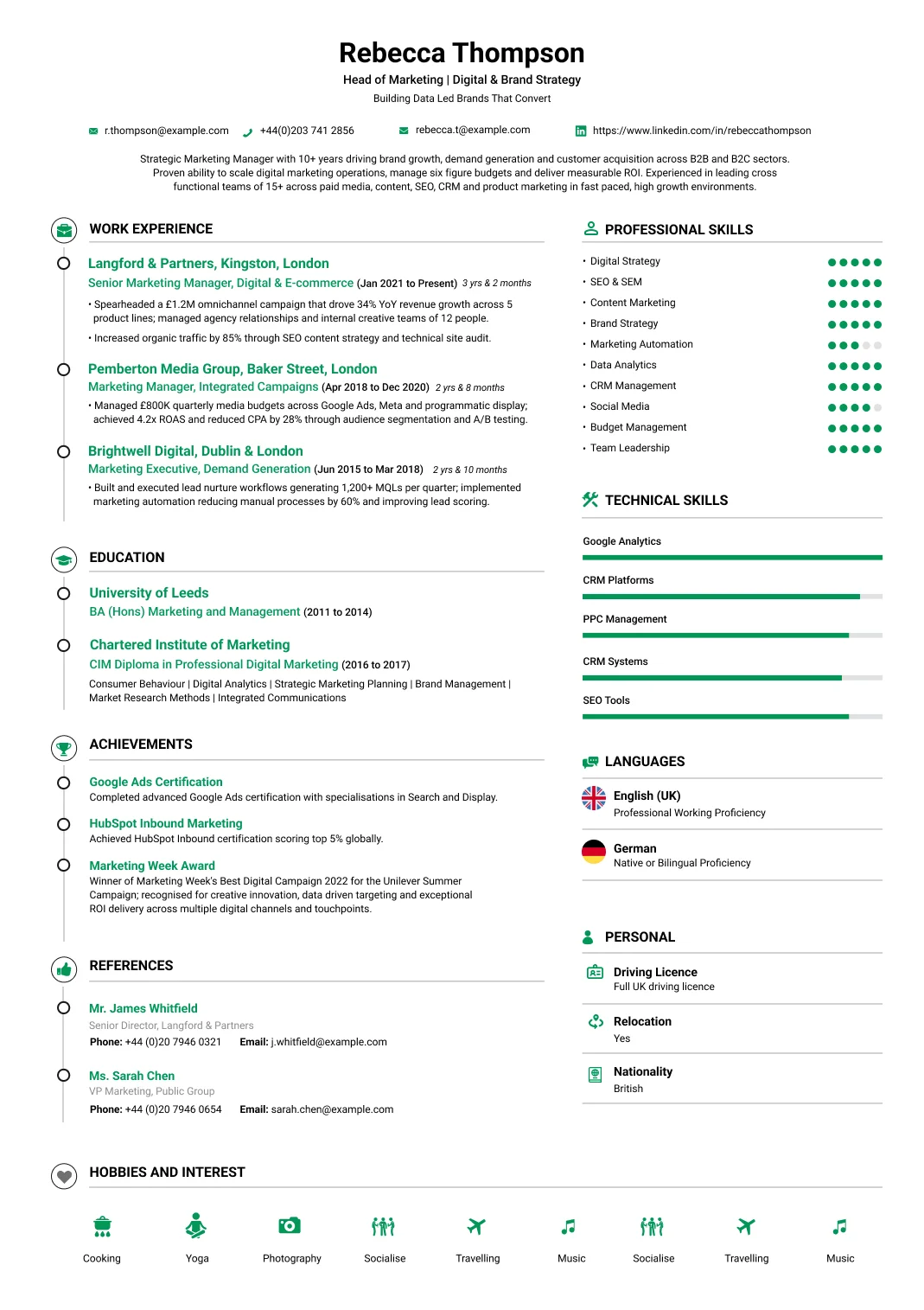
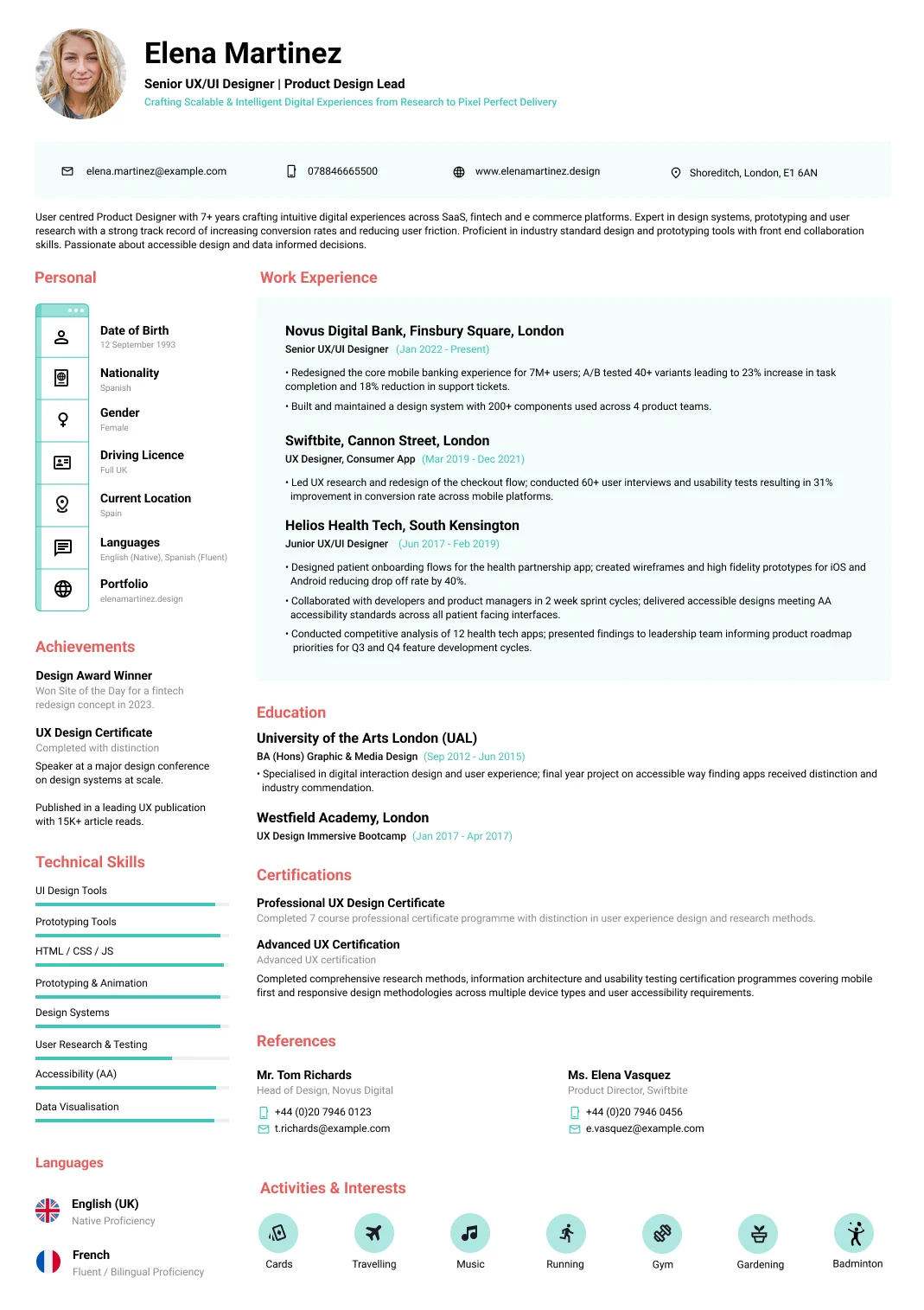
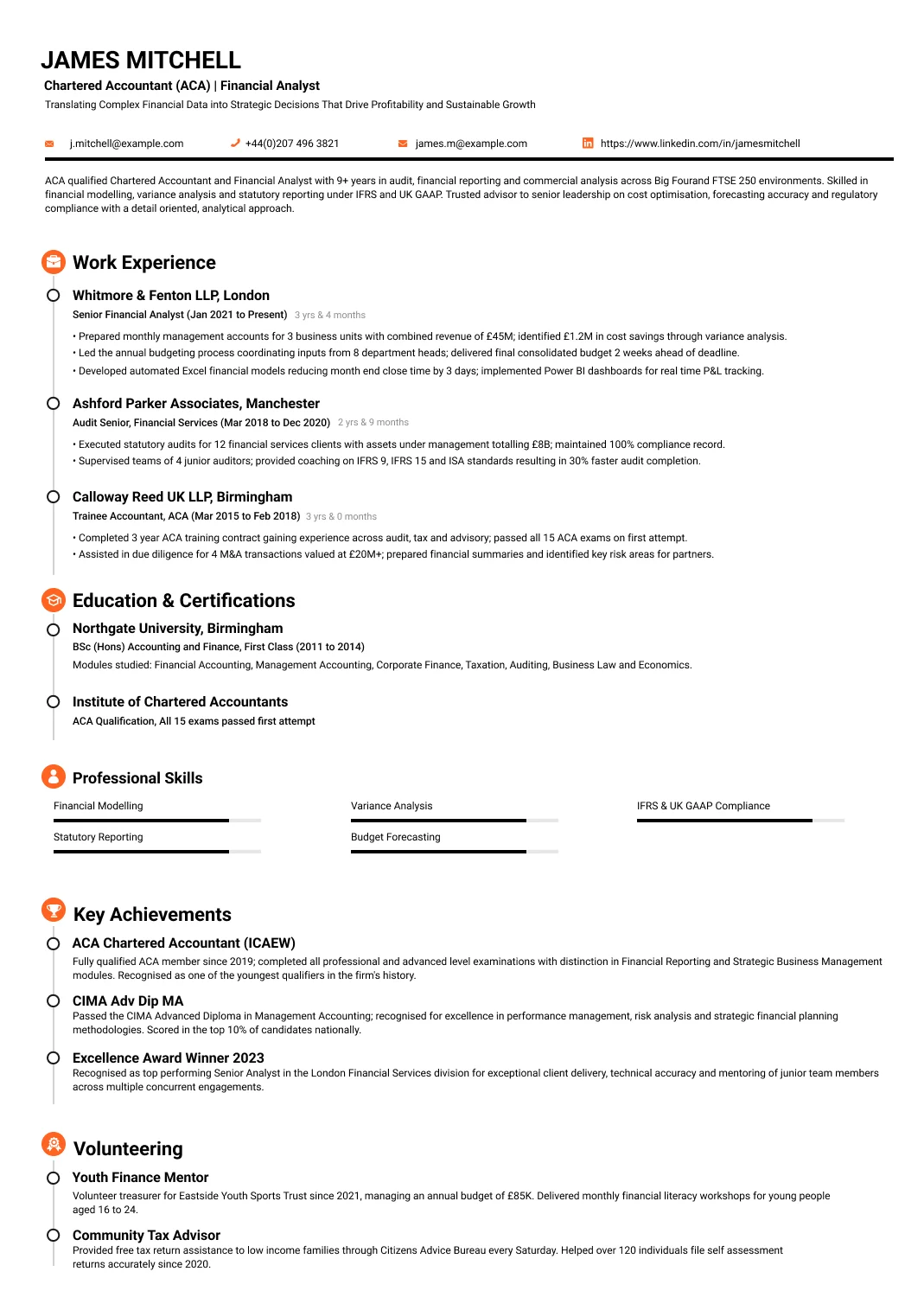
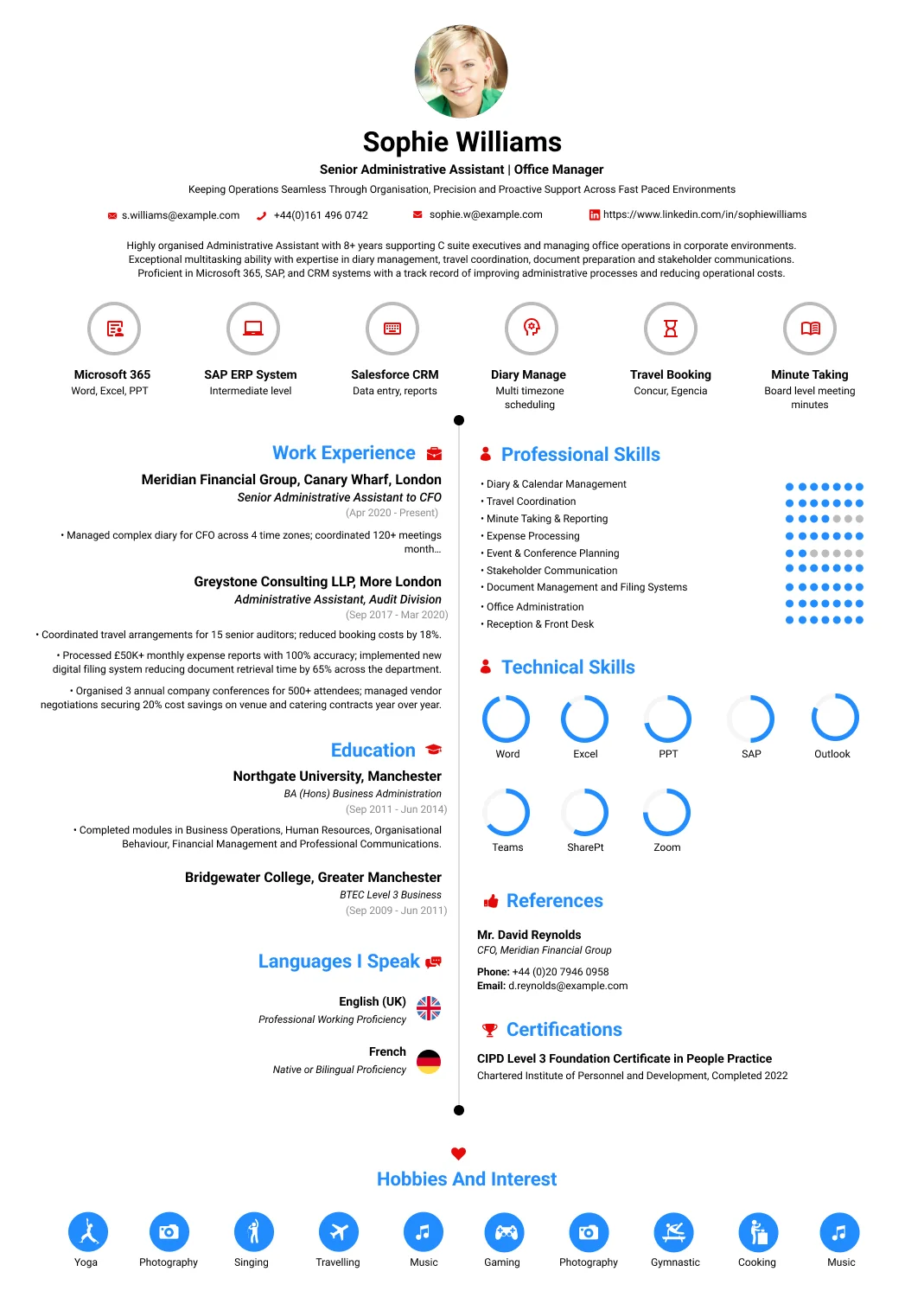
Mental health technician with six years supporting patients and nurses on inpatient psychiatric and behavioral health units in Portland. The steady presence on the floor — observing and supporting patients, helping with daily activities, assisting in crises, and building the calm, trusting rapport that helps people feel safe on a difficult unit. Recognised for de-escalating tense situations and being a reassuring presence for distressed patients. Monitors and supports patients, assists with daily living and groups, helps manage behavioral crises, documents observations, and supports the nursing team. Calm, patient and genuinely caring. Looking for a mental-health-technician or behavioral-health role with a unit that values compassionate, dependable frontline support.
Professional Experience
Mental Health Technician
Portland Behavioral Health Center, Portland, USA
Jan 2019 – Present
- Be the steady presence on the floor, building the calm rapport that helps patients feel safe on a difficult unit.
- Recognised for de-escalating tense situations and being a reassuring presence for distressed, frightened patients.
- Observe and support patients throughout the shift, watching for changes and being there when someone is struggling.
- Assist with daily living and group activities, helping patients keep routine and dignity while they are unwell.
- Help manage behavioral crises safely alongside nurses, using de-escalation to keep everyone on the unit safe.
- Document observations accurately and support the nursing team, keeping the care plan informed and the unit running.
Behavioral Health Aide
Oregon Mental Health Services, Portland, USA
Aug 2017 – Dec 2018
- Supported patients and staff in a behavioral health setting, learning the role hands-on under supervision.
- Helped with activities and observation and learned de-escalation, building patient-support skills over time.
- Learned patient observation, crisis support and documentation on the job during this first role.
- Gained the certification and experience that led into a mental-health-technician role of my own.
Education
Associate Degree in Behavioral Health, Behavioral Health
Portland Community College
Sep 2015 – Jun 2017
- Associate degree in behavioral health covering mental health, crisis support, communication and patient care, with a placement. The programme built the foundation supporting patients on a psychiatric unit requires.
Crisis Prevention & CPR Certification, Crisis Intervention
Crisis Prevention Institute
Aug 2017 – Dec 2017
- Certification in crisis prevention, de-escalation and CPR to a recognised standard. It built safe response to behavioral crises and emergencies. It supported keeping patients and staff safe on the unit.
Highlights
Skilled de-escalation
- Recognised for calmly de-escalating tense situations before they became crises. Talking a distressed patient down keeps the whole unit safe and avoids restraint, the most valuable thing a technician can do on a hard shift.
A reassuring presence
- Became the reassuring presence distressed patients seek out and trust. On a psychiatric unit, feeling safe with a steady, kind staff member is part of recovery itself, so that trust is genuine clinical value.
Certifications
Crisis Prevention & CPR Certification
Crisis Prevention Institute
Dec 2017 – Present
- Certification in crisis prevention, de-escalation and CPR to a recognised standard, which built safe response to behavioral crises and emergencies and supports keeping patients and staff safe on the unit.
Recognition
Trusted on the unit
- Relied on by nurses to support the most distressed patients and to help safely through behavioral crises, regularly praised by the team for the calm, dependable presence he brings to every shift.
Languages
- English (US) — Native or Bilingual Proficiency
- Spanish — Limited Working Proficiency
Technical Skills
- Patient Observation
- De-escalation
- Crisis Support
- Activities of Daily Living
- Group Support
- Behavioral Documentation
- Patient Rapport
- Safety & Monitoring
- CPR & First Aid
- Team Support
Personal Skills
- Patience
- Compassion
- Calmness
- Reliability
- Communication
Activities & Interests
- Relaxing
- Table Tennis
- Traveling
- Bowling
- Motor Bike
Key Takeaways for a Mental Health Technician Resume
Managers screen on the floor judgement rather than on credentials:
- Name the unit type, since acute psychiatric, adolescent and substance use units differ considerably.
- Describe observation levels, because checks and one to one observation are the core of the role.
- Evidence de-escalation, as preventing a situation is worth far more than managing one afterward.
- State restraint training and how rarely it was needed, which is the measure that actually matters.
- Show the milieu work, since the therapeutic environment is created by whoever is on the floor.
- Include documentation, because what you record is read closely after any incident occurs.
Why This Mental Health Technician Resume Works
This sample describes judgement rather than apologising for being unlicensed.
- The unit type is named, and an adolescent unit runs quite differently from an adult acute one.
- Observation levels are specific, which is the core safety function the role actually performs.
- De-escalation is evidenced through situations prevented rather than through training completed.
- Restraint is addressed with frequency, since using it rarely is the outcome a unit genuinely wants.
- Milieu work appears, because the therapeutic environment is made by whoever is physically present.
- Documentation is treated seriously, as the record is examined closely whenever an incident occurs.
How to Write a Mental Health Technician Resume
Describe the judgement, since that is what the role actually consists of.
Name the unit
Acute psychiatric, adolescent, geriatric psychiatry, substance use or forensic. These differ in patient group, acuity and risk, and managers recruit for the unit they are actually staffing.
Describe observation levels
Routine checks, enhanced observation and one to one. This is the core safety function of the role, and doing it properly means genuine attention rather than a signature on a sheet every fifteen minutes.
Evidence de-escalation
Situations you defused before they escalated. Prevention is worth considerably more than management, and a technician who reads a unit early prevents incidents nobody ever writes a report about.
State restraint honestly
The training you hold and how rarely it was needed. Restraint is a last resort that carries real risk, so low frequency alongside current training is the combination a unit genuinely wants.
Show the milieu
Daily activities, routine and the atmosphere of the unit. The therapeutic environment is created by whoever is on the floor rather than by anybody who visits it for a scheduled session.
Include documentation
Observation records, incident reports and handover. After anything happens the record is examined closely, and contemporaneous accurate notes protect the patient, the unit and you.
Observation levels, de-escalation and the unit you worked are what a psychiatric manager reads. You can build a free mental health technician resume and show the judgement the floor actually requires.
What to Include in a Mental Health Technician Resume
Beyond the standard sections, psychiatric units look for these:
Unit type and patient group, covering acute, adolescent, geriatric, substance use or forensic.
Observation levels carried, including enhanced and one to one observation.
De-escalation examples describing situations prevented rather than managed.
Restraint and crisis intervention training, with how frequently it was actually used.
Milieu and daily activity work that shapes the therapeutic environment.
Documentation covering observation records, incident reports and handover.
Extra tips
Write what you noticed early and what you did, with no identifying patient detail at all.
Prevented incidents leave no record, which is why the most valuable part of this role goes unmentioned.
Mental Health Technician Resume Summary Examples
Two summaries at different stages, both floor focused:
Entry-level resume summary example
Mental health technician on an adult acute psychiatric unit, carrying routine and enhanced observations across a shift and supporting patients through daily activities. Treats observation as genuine attention rather than a signature every fifteen minutes, since the point is noticing change rather than recording that a check occurred. Holds current crisis intervention and restraint training and has rarely needed it. Documents contemporaneously, because the record is examined closely after any incident. Notices deterioration before it becomes a crisis, since the technician is present all shift rather than visiting. Checks the environment for ligature risks and contraband as part of routine practice. Seeking a position on an adolescent or specialist unit.
Senior-level resume summary example
Mental health technician with six years on inpatient psychiatric and behavioural health units, providing the steady presence on the floor that shapes how a ward actually feels to the people on it. Reads a unit early and de-escalates before situations develop, which prevents incidents that nobody ever writes a report about. Carries one to one observation for patients at highest risk. Holds current restraint training and uses it rarely. Builds rapport with patients who have good reason to distrust staff, which is what makes de-escalation possible later. Communicates clearly at handover about what has changed, since presentation shifts across a day. Seeking a senior technician or behavioural health position.
Mental Health Technician Work Experience Examples
Three sets covering the role, since observation, crisis and milieu all differ.
Observation and patient safety
- Carried routine, enhanced and one to one observation across shifts, treating it as genuine attention rather than a signature on a sheet every fifteen minutes with nobody actually watching.
- Noticed deterioration before it became a crisis, since the technician is the only person physically present on the floor all shift rather than visiting for a scheduled appointment.
- Maintained observation on patients at highest risk including those on continuous watch, which is sustained concentration for hours and is considerably harder than it sounds from outside.
- Checked the environment for ligature risks and contraband as part of routine practice, because an inpatient unit is only ever as safe as the last occasion on which somebody genuinely looked properly.
- Reported concerns to nursing staff promptly rather than waiting for handover, since on a psychiatric unit a change in presentation can develop into something urgent within the hour.
De-escalation and crisis
- De-escalated situations before they developed, which is the most valuable thing a technician does and the part that produces no incident report and therefore no visible record at all.
- Read the unit early and acted on it, since agitation usually builds across a period and is visible to whoever is present long before it reaches the point of becoming a formal incident.
- Used restraint only as a genuine last resort, holding current training throughout, because restraint carries real physical and psychological risk to the patient and to everybody involved.
- Supported colleagues during incidents, where coordination matters enormously and a team acting as individuals makes an already difficult situation considerably more dangerous for everyone.
- Followed post incident procedure including debrief and documentation, which protects the patient and the staff and is where units learn whether something could have gone differently.
Milieu, rapport and the team
- Built rapport with patients who had good reason to distrust staff, which is slow work and is what makes de-escalation possible later when somebody is distressed and will not hear anybody else.
- Ran daily activities and maintained routine on the unit, since the therapeutic environment is created by the people on the floor rather than by anybody holding a scheduled session.
- Supported patients with daily living while preserving dignity, because somebody in an acute episode is still entitled to be treated as a person rather than only as a risk to be managed.
- Documented observations and incidents accurately and contemporaneously, as these records are examined closely after anything happens and reconstructed notes hold up considerably less well.
- Communicated clearly at handover about what had changed, which on a psychiatric unit matters enormously because presentation shifts across a day in ways the chart alone will never convey.
Top Mental Health Technician Skills
What psychiatric units screen for:
Hard skills
- Observation Levels & Continuous Watch
- De-escalation Techniques
- Crisis Intervention
- Restraint & Safe Holding
- Risk Environment Checks
- Ligature & Contraband Awareness
- Milieu Management
- Daily Living Support
- Group Activity Facilitation
- Vital Signs Monitoring
- Incident Documentation
- Observation Records
- Handover & Reporting
- Suicide Risk Awareness
- Substance Withdrawal Observation
- Adolescent Unit Practice
- Basic Life Support
- Trauma Informed Practice
Soft skills:
- Reading A Room
- Composure In Crisis
- Building Trust Slowly
- Sustained Attention
Training for a Mental Health Technician
The role is unlicensed, so training and experience carry it:
-
Crisis intervention and restraint training
— Accredited behavioural training providers Required before working on most inpatient units and refreshed regularly. State the programme and currency, since units cannot place somebody on the floor without current certification.
-
Psychiatric technician certification
— State boards or certifying bodies Some states license or certify psychiatric technicians formally while others do not. Check the requirement where you work, since it changes what the role is permitted to cover.
-
Basic Life Support
— American Heart Association Expected on any clinical unit and verified at hire. Keep the expiry visible, since a lapsed certificate prevents being rostered rather than merely delaying the paperwork.
-
Trauma informed care training
— Training providers and employers Increasingly expected on psychiatric units, since a substantial share of patients have trauma histories and an approach that ignores that reliably makes situations considerably worse.
Mental Health Technician Salary
Unit type and shift pattern drive the range:
USD 38,000 – USD 54,000 · Mental health technician · US
The O*NET median for psychiatric technicians is around $45,130. Night and weekend differentials add meaningfully, and forensic units generally pay above general psychiatric.
USD 52,000 – USD 68,000 · Senior technician or specialist unit · US
Forensic settings, adolescent specialism and senior responsibility pay above general inpatient work, and many technicians use the role as a route toward nursing.
Common Mental Health Technician Resume Mistakes
These understate judgement that is genuinely difficult:
- Being vague because the role is unlicensed, when the judgement involved is exactly what to describe.
- Not naming the unit, since adult acute, adolescent and forensic settings differ considerably.
- Omitting observation levels, which is the core safety function the role actually performs.
- Listing restraint training without frequency, when using it rarely is the outcome a unit wants.
- Leaving out de-escalation, because situations prevented leave no record and so go unmentioned.
- Ignoring documentation, when the record is examined closely after any incident on a unit.
Mental Health Technician Resume FAQs
The questions technicians most often search, answered directly:
A counsellor is licensed and provides therapy in scheduled sessions. A technician holds the floor continuously, carrying observation and de-escalation, and is present when things actually happen.
Not if you describe the judgement. Observation, de-escalation and reading a unit early are genuinely difficult, and a page that is vague about them understates what the role actually involves.
Because low frequency alongside current training is what a unit wants. Restraint carries real risk, so a technician who prevents situations rather than managing them is doing the job better.
Describe a situation you read early and defused. Prevention produces no incident report, which is precisely why it goes unmentioned despite being the most valuable thing in the role.
That it is attention rather than paperwork. Continuous watch means sustained concentration for hours, and a technician who treats checks as a signature exercise is not doing the safety function.
Commonly, and a well regarded one. The exposure to acute presentation and risk is substantial, and many psychiatric nurses began on the floor as technicians before training.
Get Started With Our
Free Resume Creator today!
Free sign-up. No credit card required.