Was this sample helpful? Rate it!
Average: 4.7 (10 votes)




Contents
Key Takeaways for an IT Analyst Resume
Why This IT Analyst Resume Works
How to Write an IT Analyst Resume
What to Include in an IT Analyst Resume
IT Analyst Resume Summary Examples
IT Analyst Work Experience Examples
Top IT Analyst Skills
Certifications for an IT Analyst
IT Analyst Salary
Common IT Analyst Resume Mistakes
IT Analyst Resume FAQs

Summary
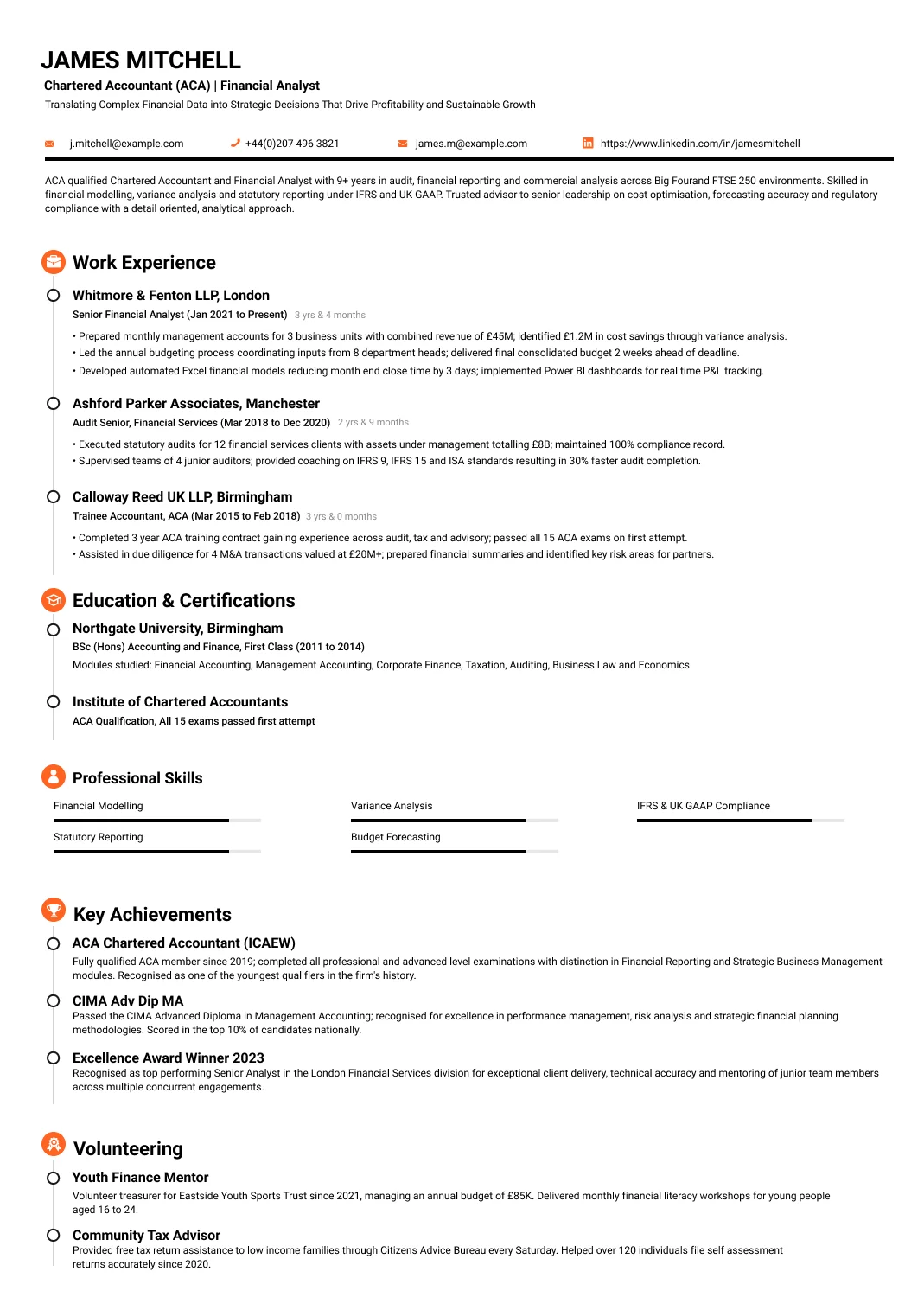
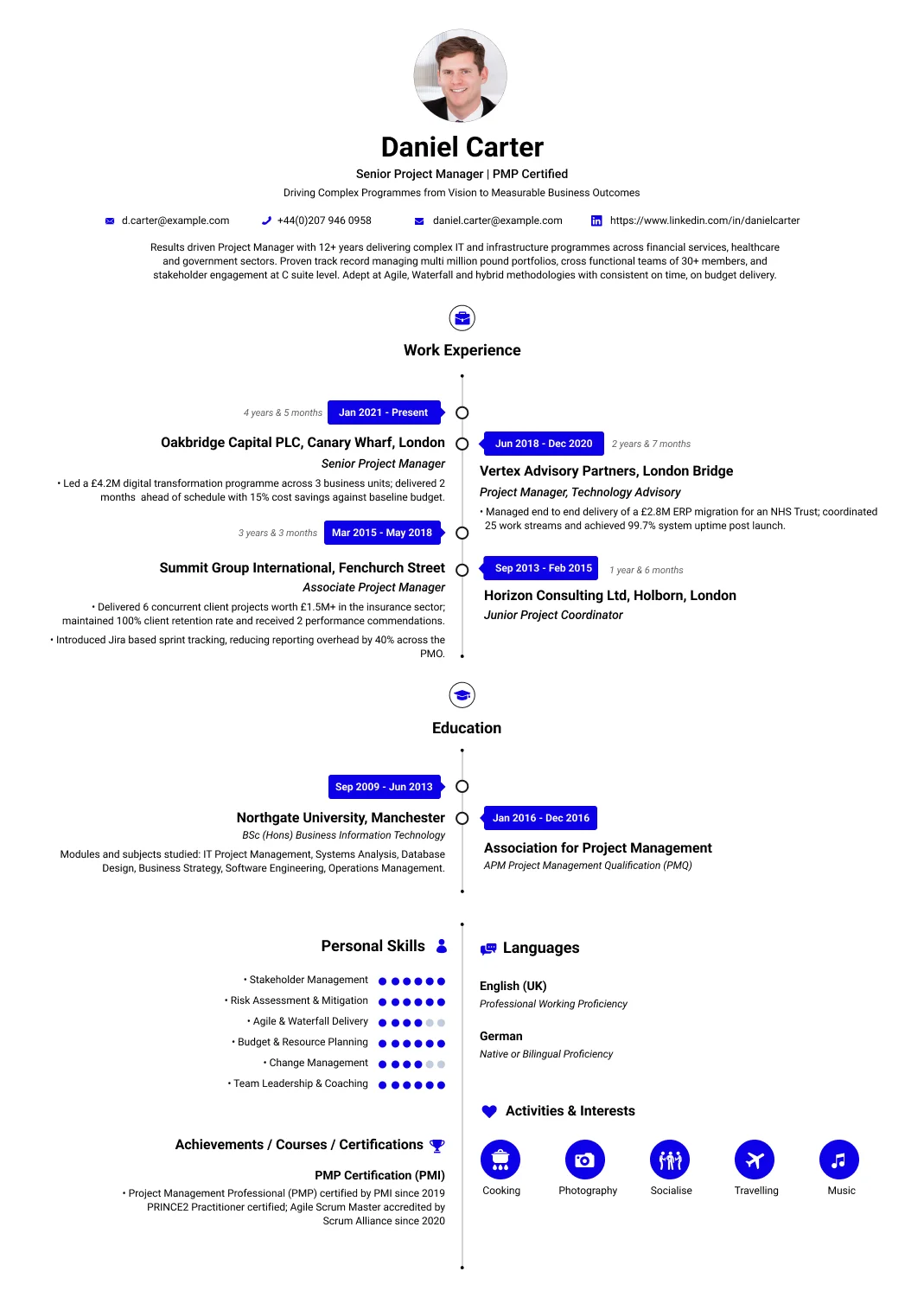
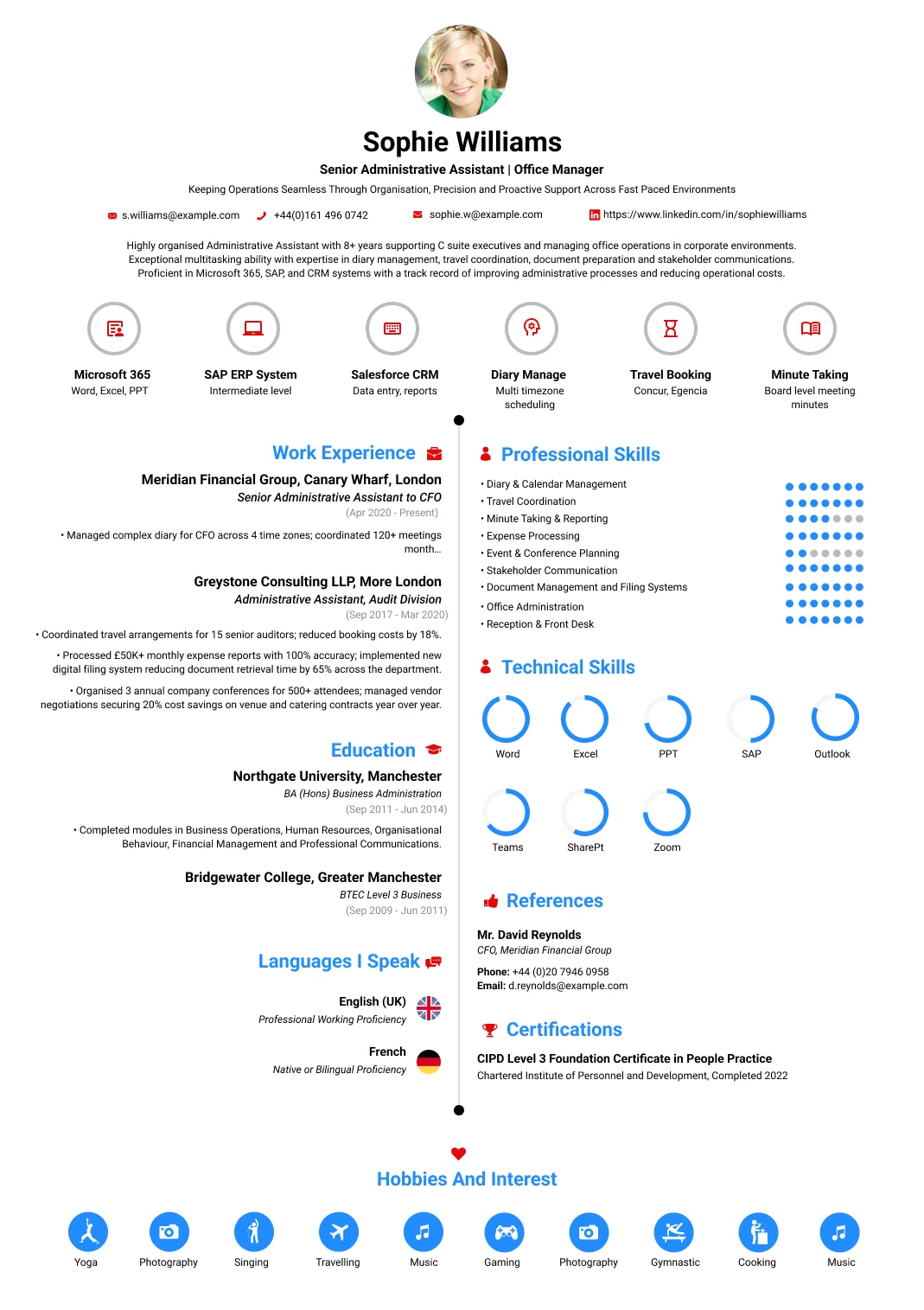
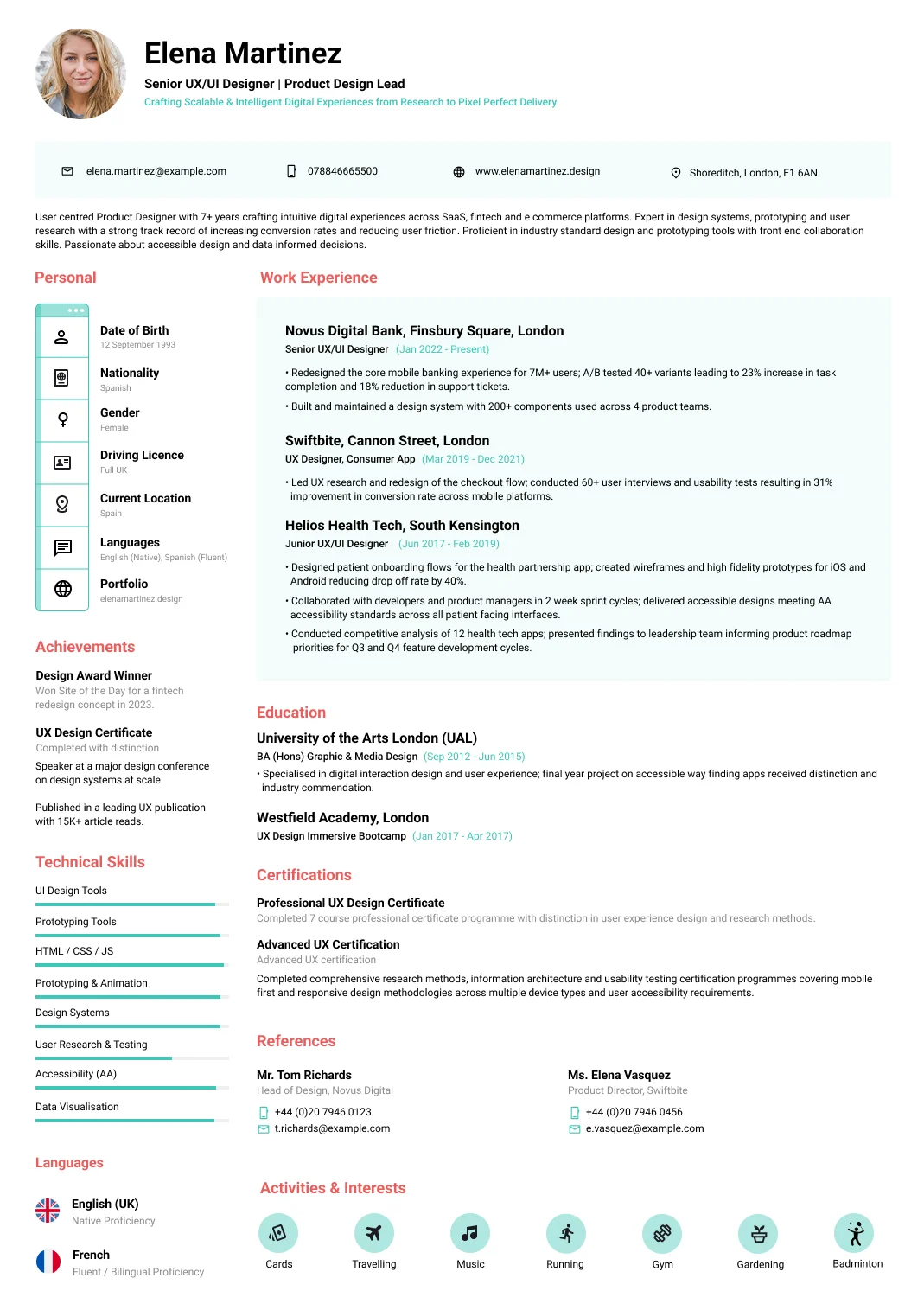
IT analyst with seven years analysing and improving IT systems and services for companies in Delhi. Sits across the technical and the analytical, investigating how systems and processes actually perform, spotting where they fail or waste effort, and recommending and supporting the fixes that make IT serve the business better. Analysed and resolved a chronic performance problem and led the analysis behind a service-management improvement. Analyses systems, data and IT processes, investigates issues and root causes, gathers requirements, supports improvements and rollouts, and reports on IT performance. Analytical, methodical and a clear communicator. Looking for an IT-analyst or systems/business-analyst role with an organisation that wants its IT understood and improved.
Work Experience
IT Analyst
Capital IT Solutions, Delhi, India
Jan 2018 – Present
- Analyse and improve IT systems and services, working out how they really perform and where they fail or waste effort.
- Analysed and resolved a chronic performance problem and led the analysis behind a service-management improvement.
- Investigate issues and trace root causes across systems and processes, fixing the underlying problem rather than the symptom.
- Analyse system and service data to surface trends, bottlenecks and risks, turning raw IT data into clear findings.
- Gather requirements and support improvements and rollouts, making sure changes actually solve the problem they target.
- Report on IT performance to managers in plain language, so non-technical leaders can act on what the analysis shows.
IT Support Analyst
Delhi Tech Services, Delhi, India
Jul 2016 – Dec 2017
- Supported users and analysed recurring incidents for an IT team, learning systems and service analysis on the job.
- Tracked issues and trends and supported improvements, building analytical and troubleshooting skills on the job.
- Learned incident analysis, IT processes and reporting on the job over more than a year.
- Gained the experience and ITIL certification that led into a full IT-analyst role.
Education
BTech in Computer Science, Computer Science
Delhi Technological University
Jul 2012 – Jun 2016
- Degree in computer science covering systems, databases, networks and analysis, with a project. The programme built the technical and analytical foundation an IT-analyst role requires. It led directly into IT analysis.
ITIL Foundation Certification, IT Service Management
Axelos
Jan 2017 – Apr 2017
- Certification in IT service management covering services, processes and continual improvement. It framed how IT delivers value. It supported analysing and improving IT services and processes.
Certifications
ITIL Foundation Certification
Axelos
Apr 2017 – Present
- Certification in IT service management covering services, processes and continual improvement to a recognised standard. It framed how IT delivers value and supports analysing and improving IT services and processes.
Service Improvement Analysis
Service Improvement Analysis
Jan 2021 – Aug 2021
- Led the analysis behind an IT service-management improvement, examining incident data and processes to find the real problems and recommend fixes, which made the IT service measurably more reliable and responsive.
Highlights
Solved a chronic problem
- Analysed and resolved a chronic system-performance problem that others had only patched around. Tracing a long-standing issue to its real root cause and fixing it for good is exactly the value a sharp IT analyst brings.
Improved IT services
- Led the analysis behind a service-management improvement that made IT more reliable and responsive. Turning data and observation into changes that genuinely improve the service everyone relies on is the heart of the analyst role.
Languages
- English (UK) — Full Professional Proficiency
- Hindi — Native or Bilingual Proficiency
- Punjabi — Professional Working Proficiency
Technical Skills
- Systems Analysis
- Root-Cause Analysis
- IT Service Management (ITIL)
- Data Analysis
- Requirements Gathering
- Process Improvement
- SQL & Reporting
- Incident & Problem Analysis
- Performance Analysis
- Documentation
Personal Skills
- Analytical Thinking
- Methodical Approach
- Problem Solving
- Communication
- Curiosity
Activities & Interests
- Cards
- Smoking
- Basket Ball
- Tennis
- Socialising
Key Takeaways for an IT Analyst Resume
The title means different things everywhere, so define your scope and then evidence it:
- Say which kind of analyst you are, whether support-focused, systems analysis or business-facing requirements work.
- Name every system and platform, since these are matched literally and tell a manager what environment you know.
- Give ticket or project volume, because throughput establishes the pace of the function you have genuinely worked in.
- Show what you improved, meaning a process automated, a recurring incident eliminated or a system implemented.
- Include your certifications, as ITIL, Microsoft and CompTIA credentials are screened before experience is read.
- Evidence the translation work, since sitting between technical teams and business users is what the role usually is.
Why This IT Analyst Resume Works
This sample belongs to an analyst with five years across systems analysis and support, and it resolves an ambiguous title immediately.
- The scope is defined in the opening line, so nobody has to guess whether this is a support role or a requirements one.
- Systems are named individually, which is how IT postings are screened and how a manager judges environment familiarity.
- Ticket volume and resolution figures appear, giving the pace of the support function rather than a general description.
- A system implementation is described end to end, which distinguishes an analyst from somebody who only responds to tickets.
- Certifications are listed prominently, since ITIL and platform credentials are frequently filtered before experience is read.
- Translation between technical teams and business users is explicit, because that is the actual substance of most analyst roles.
How to Write an IT Analyst Resume
An IT manager needs to know what you actually did, because your job title does not tell them.
Define your scope first
Second-line support and incident resolution, systems analysis and configuration, or requirements gathering and process design. The title varies enormously between employers, so state the reality rather than relying on the label.
Name the whole stack
Operating systems, directory services, cloud platforms, the ticketing system, the business applications you supported, any database or reporting tools. These are matched literally and they define what environment you know.
Give the volume
Tickets resolved monthly, users supported, systems administered, projects delivered. Throughput establishes the pace of the function, and an analyst supporting eight hundred users is in a different environment from one supporting eighty.
Show what you changed
A recurring incident eliminated at root cause, a manual process automated, a system implemented or migrated. Responding to tickets is expected while removing the reason tickets exist is what actually distinguishes a strong analyst.
Put certifications up front
ITIL Foundation, Microsoft role-based certifications, CompTIA, cloud credentials, any vendor-specific training. These are frequently screened before experience is read, so they belong where a recruiter finds them immediately.
Evidence the translation
Requirements gathered from non-technical users, technical constraints explained to stakeholders, documentation written for both audiences. Most IT analyst roles exist precisely because those two groups struggle to speak to each other.
IT postings are screened on named systems and certifications, so make both easy to find. You can build a free IT analyst resume and keep your stack, ticket volumes and certifications in one place.
What to Include in an IT Analyst Resume
Beyond the standard sections, an IT manager scans specifically for these:
A stated scope saying whether your work was support, systems analysis or business-facing requirements work.
Systems and platforms named individually, covering operating systems, cloud, applications and the ticketing tool.
Volume figures including tickets resolved, users supported, systems administered and projects delivered.
Improvements you made covering root cause fixes, automations, implementations and migrations completed.
Certifications listed prominently, including ITIL, Microsoft, CompTIA and any cloud or vendor credentials.
Documentation and translation work covering requirements gathered, runbooks written and training delivered.
Extra tips
Open your summary by saying whether the work was support, systems analysis or requirements rather than repeating the title.
IT analyst means something different at nearly every employer, and a manager cannot place you until you have said which.
IT Analyst Resume Summary Examples
Two summaries at different stages, both defining scope immediately rather than relying on the title:
Entry-level resume summary example
IT analyst with two years in second-line support for an organisation of around three hundred users, holding CompTIA A Plus and ITIL Foundation. Resolves around a hundred and forty tickets a month across Windows, Microsoft 365 and Active Directory, taking escalations from the service desk and closing them rather than passing them onward again. Administers user accounts, permissions and device deployment, and maintains the documentation that lets the first line resolve more issues without escalating. Investigated a recurring printing issue to root cause and eliminated it entirely. Looking for a role with more systems analysis and project responsibility.
Senior-level resume summary example
IT analyst with five years spanning systems analysis and third-line support in an organisation of around eight hundred users, holding ITIL Foundation and Microsoft role-based certification. Gathers requirements from non-technical business users and translates them into specifications the development and infrastructure teams can actually build against. Led the migration of a core business application including data validation, user acceptance testing and training delivery, completed without unplanned downtime. Reduced recurring incident volume substantially by fixing underlying causes rather than repeatedly closing the same ticket. Targeting a senior analyst or IT manager position.
IT Analyst Work Experience Examples
Three sets covering the shape of analyst work, since support, systems and project delivery are assessed separately.
Support and incident resolution
- Resolved escalated incidents across Windows, Microsoft 365, Active Directory and the core business applications for an organisation of around eight hundred users, closing them rather than passing them onward.
- Investigated recurring incidents to root cause and eliminated them permanently, since an analyst who closes the same ticket forty times has not actually solved anything for the business at all.
- Maintained service level performance on escalated tickets, prioritising by genuine business impact rather than by whoever had most recently sent a follow-up email asking about their request.
- Documented resolutions in the knowledge base so that the service desk could handle more issues at first line, which reduced escalation volume without anybody needing to work any harder.
- Supported major incidents including outages, communicating status to the business in plain language while the technical work continued rather than leaving users guessing at what was happening.
Systems analysis and administration
- Administered user accounts, group policy, permissions and licensing across the estate, keeping access aligned to role so that leavers and movers did not quietly retain what they no longer needed.
- Configured and maintained business applications including integrations with other systems, which is where most of the genuinely awkward problems in a mid-sized IT estate actually originate.
- Gathered requirements from non-technical business users and translated them into specifications the development and infrastructure teams could build against without needing repeated clarification.
- Produced runbooks and technical documentation covering the systems I supported, since knowledge held only inside one person's head is a genuine operational risk for any IT function to carry.
- Reviewed system access and audit logs periodically, identifying the permission accumulation that happens quietly when people change roles and nobody removes the old access they held.
Projects and improvement
- Led the migration of a core business application including data validation, user acceptance testing and training delivery, which completed without any unplanned downtime for the business.
- Automated a manual process that had been consuming several hours weekly across the team, which removed both the effort involved and the transcription errors it had reliably been producing.
- Delivered end user training and written guidance after system changes, since a well-implemented system that nobody understands generates more tickets than the one it actually replaced.
- Coordinated with vendors on support cases and upgrades, holding them to their own service commitments rather than accepting the first answer offered on a case that mattered to the business.
- Contributed to disaster recovery testing and documentation, which is the work everybody agrees is important and almost nobody schedules until something has already gone badly wrong.
Top IT Analyst Skills
What an IT manager screens for, weighted toward named systems and problem elimination:
Hard skills
- Windows Server & Desktop
- Active Directory & Group Policy
- Microsoft 365 Administration
- Ticketing Systems (ServiceNow / Jira)
- ITIL Incident & Problem Management
- Requirements Gathering
- System Configuration & Integration
- User Acceptance Testing
- SQL & Reporting
- Cloud Platforms (Azure / AWS)
- Networking Fundamentals
- Access & Permission Management
- Technical Documentation & Runbooks
- Vendor Management
- Data Migration
- Endpoint Deployment
- Disaster Recovery Testing
Soft skills:
- Translating for Non-Specialists
- Patience
- Root Cause Thinking
- Clear Writing
- Prioritisation
- Calm During Outages
Certifications for an IT Analyst
Certifications carry real screening weight in IT, particularly early in a career:
-
ITIL 4 Foundation
— PeopleCert The standard service management credential and frequently listed on analyst postings. It gives you the shared vocabulary of incident, problem and change that most IT functions organise themselves around.
-
CompTIA A+ and Network+
— CompTIA Vendor-neutral fundamentals covering hardware, operating systems and networking. Most valuable early on, and frequently a minimum requirement for support-focused analyst roles in larger organisations.
-
Microsoft Certified: Azure Administrator Associate
— Microsoft Increasingly expected as estates move to cloud. Directly relevant where the organisation runs Microsoft, which most mid-sized organisations do, and it signals capability beyond on-premise administration.
-
Microsoft 365 Administrator
— Microsoft Covers identity, security and the productivity estate that most IT analysts spend a large part of their time supporting. Practical rather than theoretical, and directly applicable from the first week.
IT Analyst Salary
Pay varies widely because the title covers everything from support to systems analysis:
USD 62,000 – USD 130,000 · IT analyst · US
The computer systems analyst median is around $105,850. Support-weighted analyst roles sit well below this, with systems and business analysis roles at or above it.
Common IT Analyst Resume Mistakes
These weaken applications for a title that conveys almost nothing on its own:
- Relying on the title to explain the role, when IT analyst means something different at nearly every organisation using it.
- Listing technologies without context, so a manager cannot tell whether you administered a system or simply used it daily.
- Omitting volume, which prevents anyone judging whether you worked in a small IT function or a genuinely busy one.
- Describing tickets closed without root cause work, since eliminating recurring incidents is what distinguishes a strong analyst.
- Burying certifications, when ITIL and platform credentials are frequently screened before your experience is read at all.
- Leaving out documentation and training, which is the translation work most analyst roles exist specifically to provide.
IT Analyst Resume FAQs
The questions IT analysts most often search when applying, answered directly:
It depends heavily on the employer. It can mean second or third-line support, systems analysis and configuration, or requirements gathering between business users and technical teams. Define which on your resume explicitly.
Name your systems first, then incident and problem management, requirements gathering, system configuration and access management. Add documentation, user acceptance testing and any cloud or reporting capability.
ITIL Foundation is widely listed and gives you the service management vocabulary. CompTIA credentials help early on, and Microsoft or cloud certifications matter increasingly as estates move away from on-premise.
An IT analyst usually carries technical system responsibility alongside analysis. A business analyst focuses on requirements, process and stakeholders without administering systems. The titles blur, so read the posting closely.
Take ownership of a system rather than only tickets, fix recurring incidents at root cause, write documentation others use, and get ITIL certified. The step is from responding to problems to removing the reasons they occur.
Use recurring incidents eliminated, ticket volume reduced, time saved through automation, systems migrated without downtime and users trained. Removing work permanently is far more persuasive than volume handled.
Get Started With Our
Free Resume Creator today!
Free sign-up. No credit card required.