Was this sample helpful? Rate it!
Average: 4.8 (26 votes)




Contents
Key Takeaways for a Hospital Volunteer Resume
Why This Hospital Volunteer Resume Works
How to Write a Hospital Volunteer Resume
What to Include in a Hospital Volunteer Resume
Hospital Volunteer Resume Summary Examples
Hospital Volunteer Work Experience Examples
Top Hospital Volunteer Skills
Key Clearances & Training for a Hospital Volunteer
What Hospital Volunteering Leads To
Common Hospital Volunteer Resume Mistakes
Hospital Volunteer Resume FAQs

Summary
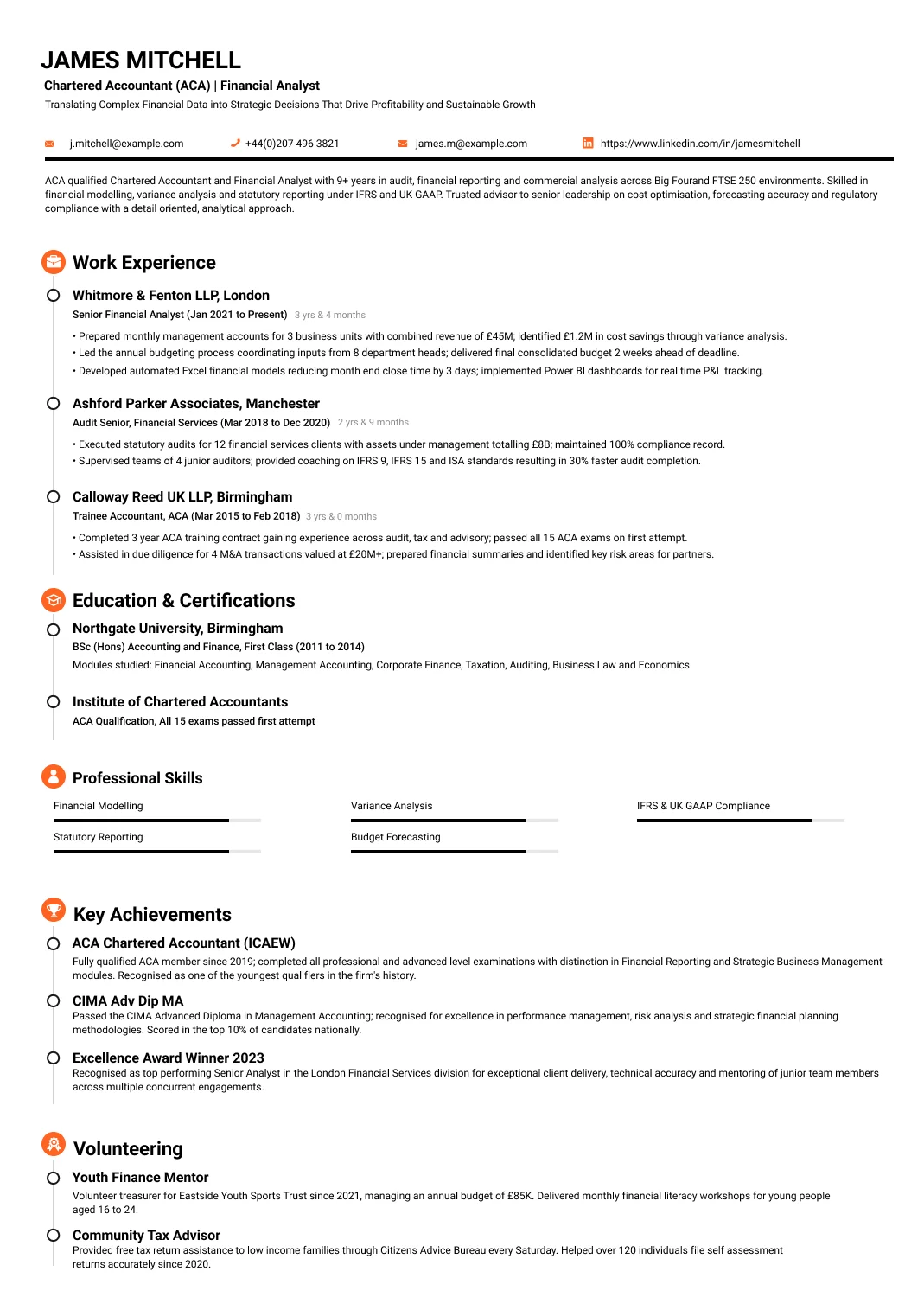
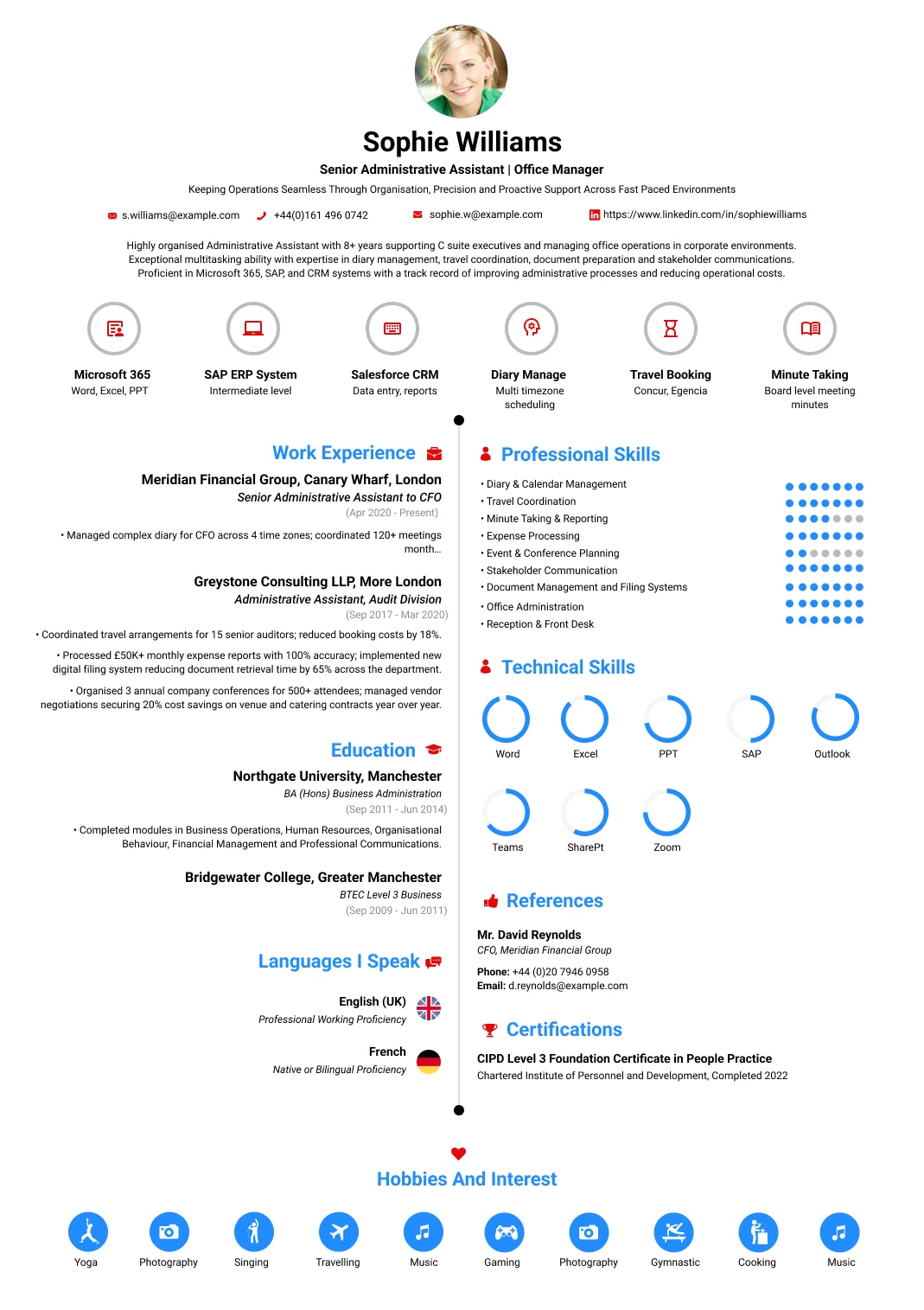
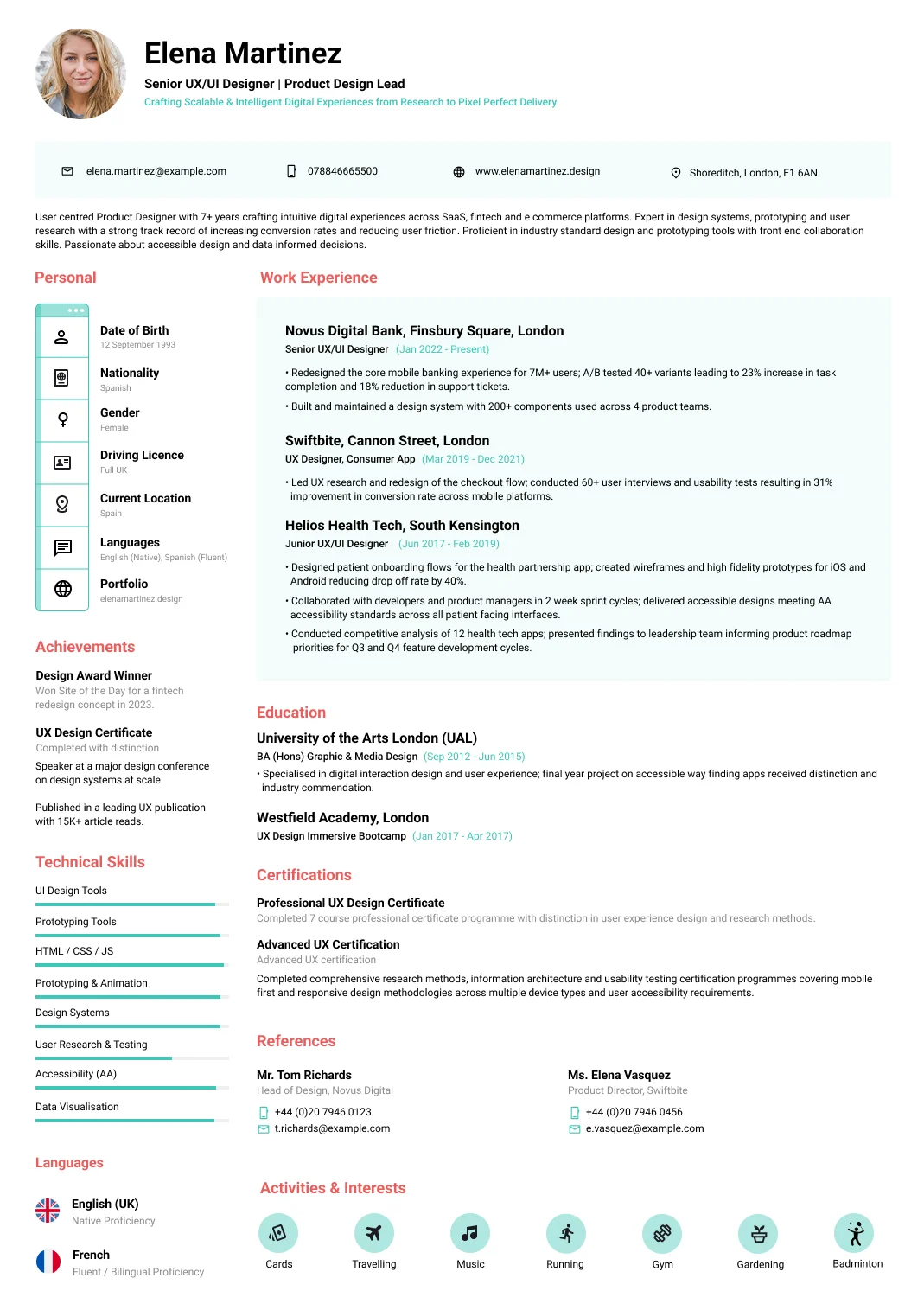
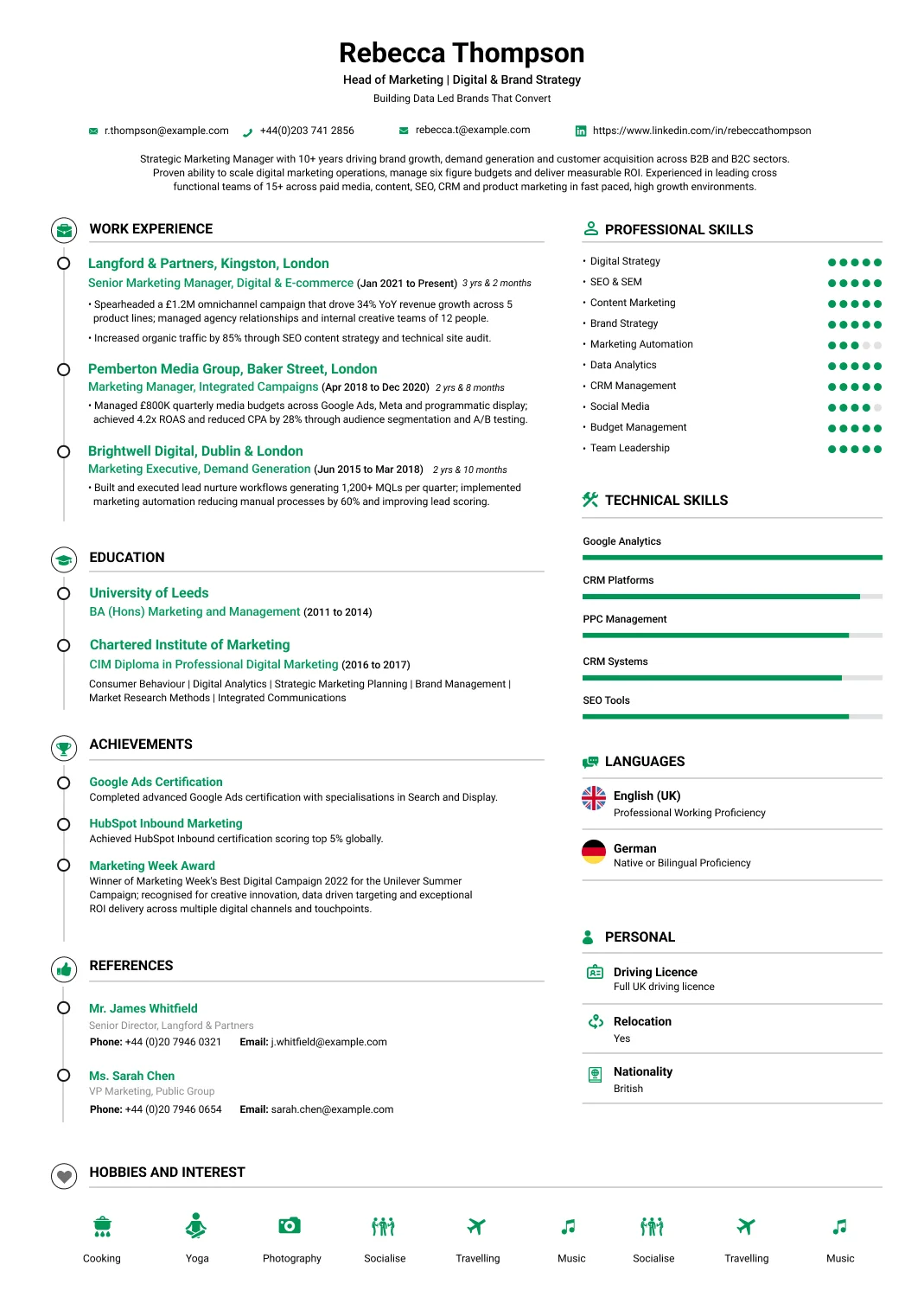
Hospital volunteer with four years giving his time on the wards and in the public areas of a hospital in Toronto, alongside studying for a health-sciences degree. Does the small but genuinely human things that paid staff rarely have time for — sitting with lonely patients, guiding lost visitors, running errands for nurses and bringing a calm, friendly presence to a stressful place. Recognised by the volunteer service for reliability and warmth and trusted to mentor new volunteers. Supports patients with company and small comforts, helps visitors find their way, assists nursing staff with non-clinical tasks, and helps keep wards welcoming. Kind, dependable and motivated toward a healthcare career. Looking to continue contributing while moving toward a clinical role.
Work Experience
Hospital Volunteer
Toronto General Hospital, Toronto, Canada
Sep 2021 – Present
- Give my time on the wards and public areas, doing the human things paid staff rarely have time to do themselves.
- Recognised by the volunteer service for reliability and warmth, and trusted to mentor and settle in new volunteers.
- Sit with lonely or anxious patients and bring a calm, friendly presence to a place that is stressful for many people.
- Guide lost and worried visitors to the right ward or department, often at the moment they most need a kind face.
- Assist nursing staff with non-clinical tasks and errands, freeing their time for the care only they can give.
- Help keep wards welcoming and stocked with small comforts, improving the experience for patients and families alike.
Community Volunteer
Toronto Seniors Outreach, Toronto, Canada
Jun 2019 – Aug 2021
- Volunteered with a seniors' outreach programme, visiting isolated older people and helping with errands and company.
- Supported community events and check-in calls, building reliability and people skills over two years.
- Learned compassion, communication and dependability through regular community service work over those years.
- Built the service record and references that led into a hospital volunteering role.
Education
BSc in Health Sciences (In Progress), Health Sciences
University of Toronto
Sep 2021 – May 2025
- Degree in health sciences covering human biology, healthcare systems and patient care, alongside hospital volunteering. The combination of study and ward experience is building the foundation for a clinical career in healthcare.
High School Diploma, General Education
Toronto Collegiate Institute
Sep 2017 – Jun 2021
- High school diploma with excellent grades in the sciences, completed alongside community volunteering. The mix built early reliability and a service mindset. It set the foundation for health sciences and hospital work.
Highlights
Recognised for reliability
- Recognised by the volunteer service for reliability and warmth and trusted to mentor new volunteers. Showing up consistently and well over years is exactly what makes a volunteer genuinely valuable to a busy hospital.
The human touch
- Sits with lonely patients and guides anxious visitors, bringing a calm, kind presence to a stressful place. The small human moments a volunteer can give are often what patients remember most warmly about their stay.
Service
Toronto General Hospital
Sep 2021 – Present
- Volunteers regularly on hospital wards and in public areas, supporting patients with company and small comforts and assisting staff with non-clinical tasks, contributing hundreds of hours of service over several years.
Toward a Career
Health sciences pathway
- Combines hospital volunteering with a health-sciences degree, building the experience, references and understanding of patient care needed to move into a clinical healthcare role after graduating.
Languages
- English (US) — Native or Bilingual Proficiency
- French — Professional Working Proficiency
Technical Skills
- Patient Companionship
- Wayfinding & Guidance
- Non-Clinical Support
- Communication
- Empathy & Comfort
- Reliability
- Teamwork
- Confidentiality
- Infection-Control Awareness
- New-Volunteer Mentoring
Personal Skills
- Kindness
- Dependability
- Warmth
- Patience
- Calmness
Activities & Interests
- Football
- Bowling
- Play Piano
- Newspaper
- Poker
Key Takeaways for a Hospital Volunteer Resume
Unpaid work counts, but only if you present it with the same specificity as a job:
- Give hours and duration, since a volunteer who has given four hours weekly for two years has demonstrated something a one-off placement has not.
- Name the setting precisely, because a ward, an emergency department and a hospital reception involve very different exposure and responsibility.
- State your clearances and training, as background checks, immunisations and infection control are required before you go anywhere near a ward.
- Show reliability above all, since the practical problem with volunteers is that many stop turning up and services plan around that.
- Draw the clinical line clearly, because knowing exactly where a volunteer's role ends is the judgement that makes you safe to have on a ward.
- Connect it to where you are going, since volunteering is usually a step toward healthcare training and admissions panels read it that way.
Why This Hospital Volunteer Resume Works
This sample belongs to a health sciences student four years into hospital volunteering, and it treats unpaid work with the seriousness a paid role would get.
- The opening names the actual contribution, the small human things paid staff rarely have time for, which is precisely what volunteers exist to provide.
- Sitting with lonely or anxious patients is specific and unglamorous, and it is the part of the role that genuinely matters to the people on the receiving end.
- Recognition from the volunteer service for reliability is the strongest item, because dependability is the scarce quality in unpaid work rather than enthusiasm.
- Being trusted to mentor new volunteers shows the service treats this person as a fixture rather than as someone passing through for a term.
- The earlier community outreach role establishes a service record stretching back years, which reads very differently from a placement taken to fill a form.
- Linking it to a health sciences degree and a clinical ambition frames the volunteering as a deliberate path rather than as an unrelated activity.
How to Write a Hospital Volunteer Resume
Unpaid does not mean unserious. Present it with the same structure and specificity you would give a job.
Quantify hours and duration
Four hours a week across two years is a genuine commitment and reads completely differently from a summer placement. Give the pattern and the total, since sustained service is the single most persuasive thing an unpaid role can demonstrate about you.
Name the setting and what it exposed you to
General ward, oncology, emergency department, outpatients, reception. Each involves different patients, different distress and different responsibility, and an admissions panel or ward manager reads a cancer ward volunteer very differently from a gift shop one.
List clearances and training up front
Background check, immunisation status, infection control and hand hygiene training, manual handling, confidentiality briefing. These are prerequisites for ward access, and holding them already removes weeks from any healthcare application you make next.
Lead with reliability, not compassion
Shifts completed, attendance record, cover provided at short notice. Every volunteer application claims compassion. Very few can show they turned up every week for two years, and services care about that far more because it is what they cannot rely on.
Show you understand the boundary
Describe what you did not do as clearly as what you did: no clinical tasks, no lifting patients, escalating anything medical to a nurse immediately. Knowing where the line sits is the judgement that makes a volunteer safe rather than a liability on a ward.
Tie it to your direction
Nursing, medicine, allied health, healthcare assistant work. Volunteering is usually a step toward something, and stating the destination turns a list of kind acts into evidence of a considered decision about the career you are actually pursuing.
Volunteer placements and healthcare assistant roles often need an application at short notice when a ward has a gap. You can build a simple healthcare resume free and keep your hours and clearances ready.
What to Include in a Hospital Volunteer Resume
Present unpaid work with the structure a paid role would get, and include these specifically:
Hours per week and total duration, since sustained commitment is what distinguishes serious volunteering from a short placement.
The department or ward type, because exposure to distressed or seriously ill patients is materially different from public area work.
Clearances and mandatory training with dates, covering background checks, immunisations and infection control.
Reliability evidence such as attendance record, shifts covered at short notice, or recognition from the volunteer service.
Any responsibility given, including mentoring new volunteers or being trusted on a ward without close supervision.
Your intended direction in healthcare, which frames the experience as deliberate preparation rather than unrelated activity.
Extra tips
State how long you have volunteered and how consistently, since most volunteers drift away within a few months.
Services know this, which is why a two-year weekly record says more about you than any description of your motivation.
Hospital Volunteer Resume Summary Examples
Two summaries at different stages, both leading with commitment and setting rather than with a desire to help people:
Entry-level resume summary example
Health sciences student in the first year of hospital volunteering, giving three hours every week on a general medical ward since the start of the academic year. Sits with patients who have few or no visitors, helps at mealtimes within the limits of the volunteer role, and guides families to the right department when they arrive lost and worried. Completed the hospital's full induction including infection control, hand hygiene, confidentiality and manual handling awareness, and holds current background clearance and immunisation status. Has attended every scheduled shift since starting, including over the winter examination period when other volunteers stepped back. Looking to continue volunteering while working toward a nursing degree application.
Senior-level resume summary example
Hospital volunteer with four years on the wards and in public areas of a major teaching hospital, alongside a health sciences degree, giving four hours weekly throughout. Provides companionship to isolated and anxious patients, supports nursing staff with non-clinical tasks, and guides visitors through a building most of them find confusing and stressful to navigate. Recognised by the volunteer service for reliability and warmth, and trusted to induct and mentor new volunteers through their first shifts on the ward. Holds current background clearance, immunisations and all mandatory training, and understands precisely where the volunteer role ends and clinical responsibility begins. Working toward a clinical role on completing the degree.
Hospital Volunteer Work Experience Examples
Three sets covering the kinds of hospital volunteering, since ward work, public areas and mentoring are read differently.
Ward and patient companionship
- Provided companionship to isolated and anxious patients on a general medical ward, sitting with people who had few or no visitors during what is often a long and genuinely frightening hospital admission for them.
- Supported patients at mealtimes within the strict limits of the volunteer role, encouraging and assisting where appropriate while escalating anything clinical to a nurse immediately.
- Brought a calm and unhurried presence onto a busy medical ward, which is something that clinical staff working through a full patient list genuinely cannot always provide themselves.
- Maintained absolute confidentiality regarding everything seen and heard on the ward, which is an unconditional requirement of any hospital role whether that role is paid or unpaid.
- Understood precisely where the volunteer role ended, never undertaking clinical tasks or moving patients, and escalating every medical concern to the nursing staff immediately and without any delay.
Public areas and visitor support
- Guided lost and worried visitors to the correct ward or department, often meeting people at the exact moment when they most needed a calm and unhurried explanation of where to go next.
- Staffed the hospital reception and information point during busy visiting periods, answering the routine enquiries that would otherwise have interrupted clinical staff on the wards.
- Ran errands and collected items for the nursing staff across several departments, which freed up clinical time that would otherwise have been spent simply walking around the building.
- Helped keep ward and waiting areas welcoming and tidy, which contributed to an environment that felt noticeably less institutional for patients and families spending long hours there.
- Handled distressed visitors calmly, including people who had just received difficult news, by listening properly rather than by attempting to resolve something well beyond the volunteer role.
Reliability, training and responsibility
- Gave four hours every week across four years without a sustained break, including right through examination periods when other volunteers commonly step back or stop attending entirely.
- Recognised by the hospital volunteer service for reliability and warmth, which in unpaid work is a genuinely meaningful judgement rather than a routine or automatic acknowledgement.
- Trusted to induct and mentor new volunteers through their first ward shifts, explaining the boundaries and expectations that new starters most often most often find unclear at the very beginning.
- Completed and maintained all mandatory training including infection control, hand hygiene, confidentiality and manual handling awareness throughout the entire four-year volunteering period.
- Held current background clearance and immunisation status continuously, so that ward access was never once interrupted by an expired requirement at any point across the whole four years.
Top Hospital Volunteer Skills
What a volunteer service or a healthcare employer reads this experience for, weighted toward reliability and judgement:
Hard skills
- Patient Companionship
- Non-Clinical Ward Support
- Infection Control & Hand Hygiene
- Confidentiality & Information Governance
- Wayfinding & Visitor Guidance
- Reception & Enquiry Handling
- Mealtime Assistance (Non-Clinical)
- Escalation to Clinical Staff
- Manual Handling Awareness
- Safeguarding Awareness
- Volunteer Induction & Mentoring
- Basic First Aid
- Record Keeping for Volunteer Hours
- Working Within Scope of Role
- Communication With Distressed People
- Ward Environment Support
- Team Working With Clinical Staff
Soft skills:
- Reliability
- Kindness
- Patience
- Calmness
- Discretion
- Emotional Steadiness
Key Clearances & Training for a Hospital Volunteer
These are prerequisites for ward access, and holding them already speeds up any healthcare application you make next:
-
Background Check or Police Clearance
— The relevant national vetting service Required before any unsupervised contact with patients. Current clearance transfers usefully into healthcare assistant and clinical training applications later on.
-
Infection Control and Hand Hygiene Training
— The hospital or health authority Mandatory induction training for anyone entering a clinical area. It is basic but genuinely worth listing, since it evidences you have been on a ward properly rather than casually.
-
Immunisation and Occupational Health Clearance
— Occupational health department Required for ward-based volunteering and often for clinical placements afterwards. Keeping it current avoids a delay when you apply for healthcare training.
-
Basic First Aid and Safeguarding Awareness
— A recognised training provider or the hospital Not always required for volunteering but valuable, particularly safeguarding, since it evidences understanding of vulnerability and of when to raise a concern.
What Hospital Volunteering Leads To
Hospital volunteering is unpaid, so the relevant figure is the entry-level clinical role it most commonly leads into:
USD 33,000 – USD 55,000 · Nursing assistant (a common next step) · US
National median around $42,260 a year, or $20.32 an hour. Volunteering itself is unpaid, but it is the usual route into assistant roles and clinical training.
Common Hospital Volunteer Resume Mistakes
These are what make genuine service read as a box-ticking exercise:
- Listing volunteering without hours or duration, which leaves a reader unable to distinguish two years of weekly service from a single afternoon.
- Leading with compassion, since every application claims it and none of them can evidence it, whereas attendance records are checkable.
- Leaving the department unstated, so a reader cannot tell whether you supported seriously ill patients or worked the hospital shop.
- Overstating the role by implying clinical involvement, which is quickly exposed and raises immediate doubts about your judgement.
- Omitting clearances and mandatory training, which are prerequisites for ward access and directly speed up your next application.
- Presenting it as an unrelated activity rather than connecting it to the healthcare direction you are actually working toward.
Hospital Volunteer Resume FAQs
The questions volunteers most often search when putting this on a resume, answered directly:
Yes, and treat it as real experience rather than an afterthought. Sustained volunteering evidences reliability, comfort around illness and understanding of a clinical environment, all of which matter to healthcare employers and admissions panels alike.
Format it exactly like a job with the organisation, the dates, the hours per week and bullets describing what you actually did. The only difference is that it was unpaid, and burying it under a heading like interests understates it considerably.
Consistency matters more than the total. Three or four hours weekly sustained across a year or more reads far better than a large number accumulated in one intensive block, because services and admissions panels are assessing dependability.
Communication with distressed people, working within a defined scope, confidentiality, infection control awareness and genuine reliability. It also builds tolerance for a clinical environment, which is something many people discover they lack only once they are in one.
Substantially. Admissions panels look for evidence you understand what healthcare is actually like rather than an idealised version, and sustained ward volunteering is among the most credible ways to demonstrate that you have seen it directly.
Apply through the hospital's volunteer service rather than approaching wards directly. Expect a background check, occupational health clearance and induction training, so start the process several months before you need the experience on an application.
Get Started With Our
Free Resume Creator today!
Free sign-up. No credit card required.