Was this sample helpful? Rate it!
Average: 4.9 (15 votes)


Contents
Key Takeaways for a Dietary Aide Resume
Why This Dietary Aide Resume Works
How to Write a Dietary Aide Resume
What to Include in a Dietary Aide Resume
Dietary Aide Resume Summary Examples
Dietary Aide Work Experience Examples
Top Dietary Aide Skills
Certifications for a Dietary Aide
Dietary Aide Salary
Common Dietary Aide Resume Mistakes
Dietary Aide Resume FAQs

Summary
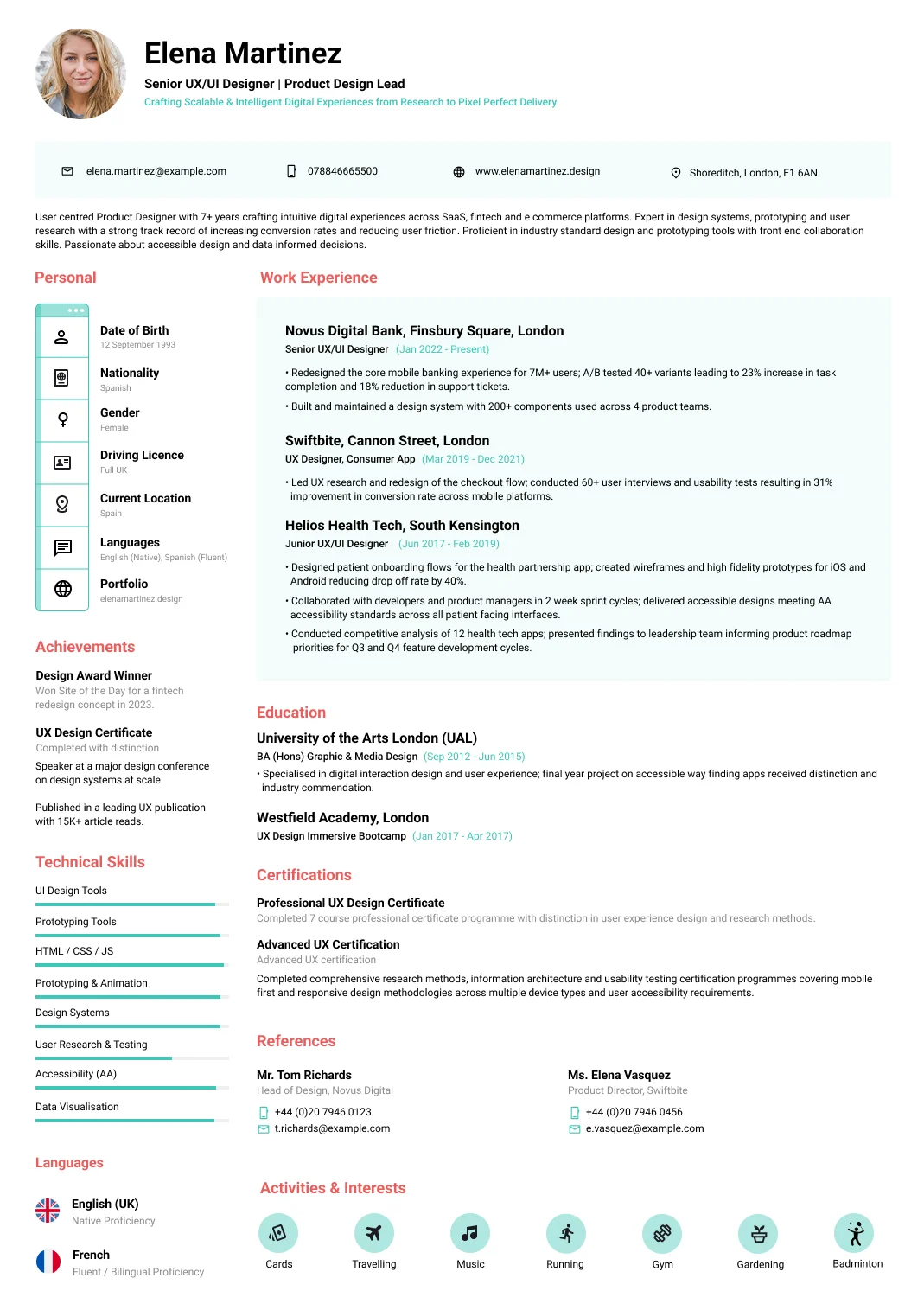
Dietary aide with seven years supporting kitchens and dining rooms in nursing homes and hospitals in San Antonio. Makes sure every resident gets the right meal, served safely and with a smile, and that mealtimes are a genuine highlight of the day rather than just a task. Recognised by dietary management for spotless food-safety records and for knowing every resident's diet and preferences by heart. Prepares and serves meals to therapeutic and texture-modified diets, assists residents who need help eating, follows strict food-safety standards, and keeps the dining area clean and welcoming. Caring, reliable and genuinely fond of the people she serves. Looking for a dietary-aide or food-service role in a care or healthcare setting that treats meals as part of good care.
Professional Experience
Dietary Aide
Riverbend Nursing & Rehabilitation, San Antonio, TX
Mar 2019 – Present
- Prepare and serve meals to residents on therapeutic and texture-modified diets, making sure each one gets exactly the right plate.
- Recognised by dietary management for spotless food-safety records and for knowing every resident's diet and preferences by heart.
- Assist residents who need help eating with patience and dignity, turning mealtimes into a genuine highlight of their day.
- Follow strict food-safety and sanitation standards in the kitchen and dining room, keeping vulnerable residents safe from harm.
- Keep the dining area clean, set and welcoming, and work closely with nursing staff on each resident's dietary needs and changes.
- Manage stock rotation and portioning to reduce waste while making sure no resident ever goes without their meal.
Food Service Worker
Alamo General Hospital, San Antonio, TX
Dec 2016 – Feb 2019
- Prepared and delivered patient meal trays in a busy hospital kitchen, following diet orders accurately across the wards.
- Maintained food-safety and hygiene standards while handling high volumes of meals to tight serving schedules.
- Learned therapeutic diets, safe food handling and patient care on the job across a fast-paced hospital setting.
- Gained the dietary-aide certificate and the move into a dedicated dietary-aide role in a nursing home.
Qualification
High School Diploma, General Education
San Antonio Community High School
Aug 2012 – May 2016
- High school diploma completed alongside part-time food-service work, which built early kitchen and customer skills. The combination of schooling and work taught reliability and care. It set the foundation for a career in healthcare food service.
Food Handler & Dietary Aide Certificate, Food Service
Texas Department of State Health Services
Sep 2016 – Dec 2016
- Certificate covering food safety, therapeutic diets and dietary-aide responsibilities in healthcare settings. It built the job-ready knowledge the role requires around safe, appropriate meals. It supported a confident start in care-home dining.
Highlights
Spotless food safety
- Recognised by dietary management for spotless food-safety records across years in care and hospital kitchens. With vulnerable residents on modified diets, safe food handling is not a formality but a genuine matter of health.
Knows every resident
- Knows each resident's diet, restrictions and preferences by heart, so every plate is right and personal. That familiarity turns a routine meal service into a small act of individual care for each person.
Certifications
Food Handler & Dietary Aide Certificate
Texas Department of State Health Services
Dec 2016 – Present
- Certificate covering food safety, therapeutic diets and dietary-aide responsibilities in healthcare settings. It built the job-ready knowledge the role requires around safe, appropriate meals and grounded the standards followed every shift.
Dysphagia & Modified Diets
Dysphagia & Modified Diets
Healthcare Nutrition Training
Jan 2021 – Feb 2021
- Completed a course on dysphagia and texture-modified diets covering safe consistencies and feeding techniques for residents with swallowing difficulties. It sharpened the ability to serve and assist at-risk residents safely at every meal.
Languages
- English (US) — Native or Bilingual Proficiency
- Spanish — Native or Bilingual Proficiency
Technical Skills
- Therapeutic Diets
- Texture-Modified Meals
- Food Safety & Sanitation
- Meal Preparation
- Feeding Assistance
- Portion Control
- Stock Rotation
- Dining Service
- Resident Care
- HACCP Awareness
Personal Skills
- Caring
- Reliability
- Patience
- Attention to Detail
- Teamwork
Activities & Interests
- Photography
- Karate
- Poker
- Ice Skating
- Table Tennis
Key Takeaways for a Dietary Aide Resume
This is resident facing work with a clinical edge:
- Name the therapeutic and texture modified diets you serve, since a diet error in care is an incident rather than a complaint.
- Show intake monitoring, because a resident who stops finishing meals is giving the nursing team an early warning.
- Include feeding assistance, as several residents in any care setting cannot manage a meal independently.
- State the resident numbers and setting, covering long term care, hospital, rehabilitation or assisted living.
- Show that you know residents individually, since preference and dignity matter enormously in somebody's own home.
- Name your food safety certification, because regulated care kitchens require it rather than merely preferring it.
Why This Dietary Aide Resume Works
This sample belongs to a dietary aide in long term care, and it is written around residents.
- Therapeutic and texture modified diets are named, since serving the wrong one in care is a clinical incident.
- Intake monitoring appears, and a resident who stops eating is giving the nursing team information they need early.
- Feeding assistance is included, because a meaningful share of residents in any care setting need help to eat.
- Resident numbers and setting are stated, letting a manager judge whether the pace and population are comparable.
- Individual resident knowledge appears, which is what distinguishes care dietary work from institutional catering.
- Food safety certification is listed, since regulated care kitchens require it rather than treating it as preferred.
How to Write a Dietary Aide Resume
A dietary manager in a care setting wants accuracy on diets and attention to residents.
Name the diets
Diabetic, renal, low sodium, pureed and minced textures, thickened fluids, allergen and cultural requirements. Serving the wrong texture to somebody at risk of choking is a clinical incident rather than a service error.
Show intake monitoring
Recording what residents actually ate and reporting declining intake. Appetite loss is frequently the earliest visible sign of a developing problem, and the dietary aide is often the person who notices it.
Include feeding assistance
Helping residents who cannot manage a meal independently, at their pace and with dignity. This is direct care work and it is what separates a dietary aide from somebody working an institutional serving line.
State residents and setting
Residents or patients served per meal, the setting, and whether tray service, dining room or both. Long term care, rehabilitation and hospital wards all run at different paces with different populations.
Show resident knowledge
Knowing preferences, dislikes and who needs what without checking a card every time. In somebody's own home, being known matters as much as the meal, and it is what families actually notice.
Cover food safety and records
Certification, temperature logs, storage, sanitation and the diet documentation the setting requires. Care kitchens are inspected, and diet records are examined closely whenever anything goes wrong.
Diet accuracy and intake monitoring are what a care setting screens on. You can build a free dietary aide resume and keep your diet types, resident numbers and certifications together.
What to Include in a Dietary Aide Resume
Beyond the standard sections, a dietary manager in care screens specifically for these:
Therapeutic and texture modified diets served, named individually including thickened fluid levels.
Intake monitoring practice covering what you recorded and how declining appetite was reported onward.
Feeding assistance experience, including residents supported and how pace and dignity were handled.
Residents served per meal alongside the setting and whether tray service, dining room or both.
Resident knowledge covering preferences, dislikes and cultural or religious requirements.
Food safety certification, temperature and storage records and the diet documentation the setting required.
Extra tips
List the therapeutic and texture modified diets you served rather than describing meal service generally.
Diet accuracy is where the clinical risk sits in this role, and it is exactly what a care setting screens for.
Dietary Aide Resume Summary Examples
Two summaries at different stages, both written around residents rather than food service:
Entry-level resume summary example
Dietary aide with a year in a long term care home serving around sixty residents across three meals daily. Checks every tray against the diet order before it leaves, since serving a regular texture to somebody on a pureed diet is a choking risk rather than a service error. Assists residents who cannot manage a meal independently, working at their pace rather than the kitchen's. Records intake and reports residents who are eating poorly to the nursing team the same day. Holds food handler certification and maintains temperature logs across hot holding and refrigeration. Notices changes in how residents are eating and reports them rather than assuming somebody clinical has seen it. Knows residents by name and preference, and encourages hydration across the day rather than only at meals.
Senior-level resume summary example
Senior dietary aide with six years in long term care and rehabilitation, serving around a hundred and twenty residents across tray service and two dining rooms. Works the full range of therapeutic and texture modified diets including thickened fluids, and verifies every tray against the current diet order rather than against yesterday's. Reports intake concerns to nursing promptly, which has flagged several residents before a problem became clinical. Trains new aides on diet verification and feeding assistance. Holds food protection manager certification and dysphagia training. Manages dining room service where several residents eat together and need watching at once. Seeking a lead or supervisory position.
Dietary Aide Work Experience Examples
Three sets covering the role, since diet accuracy, resident care and kitchen work separate.
Diets and accuracy
- Served the full range of therapeutic and texture modified diets including pureed, minced and thickened fluids across around a hundred and twenty residents, verifying every tray against the current diet order.
- Checked diet orders against the tray before it left rather than trusting the ticket, since serving a regular texture to somebody at risk of choking is a clinical incident rather than a service complaint.
- Queried discrepancies between the diet order and what had been prepared rather than assuming the order was wrong, which is the check that catches mistakes made earlier in the process.
- Handled allergen, cultural and religious requirements accurately, because a resident who cannot eat what arrives goes without in a setting where they have no alternative available to them.
- Kept up with diet changes as they were made, since orders change after a swallowing assessment or a clinical review, and a tray prepared to last week's order has become unsafe to serve.
Residents and care
- Assisted residents who could not manage a meal independently, working at their pace and preserving dignity rather than treating feeding as a task to complete before the trays were collected.
- Recorded intake accurately and reported residents who were eating poorly to the nursing team the same day, which has flagged several residents before a problem had become clinically obvious.
- Knew residents by name, preference and dislike rather than checking a card each time, since being known matters enormously to somebody living in what has become their permanent home rather than a temporary stay.
- Encouraged hydration deliberately across the day, because dehydration in older adults develops quietly and produces confusion and falls long before anybody connects those to fluid intake.
- Noticed changes in how residents were eating including difficulty swallowing or reduced interest, and reported them rather than assuming somebody clinical had already observed the same thing.
Kitchen, safety and team
- Maintained temperature logs across hot holding, refrigeration and freezers, reporting readings that had drifted rather than simply recording them and continuing with the service as though nothing had changed.
- Followed storage, labelling and sanitation procedure to the standard care inspections examine, since regulated settings are audited on records as much as on anything observable in the kitchen.
- Set up and cleared dining rooms and worked the tray line at pace, holding accuracy through the service window rather than trading diet checking for speed when the line fell behind.
- Managed dining room service for residents who ate together, which requires watching several people at once for signs of difficulty while also serving and clearing around them at pace.
- Trained new aides on diet verification and feeding assistance, particularly the habit of checking every single tray rather than trusting that the kitchen has prepared it against the current order.
Top Dietary Aide Skills
What dietary managers in care settings screen for, weighted toward diet accuracy and resident attention:
Hard skills
- Therapeutic Diet Service
- Texture Modified Diets
- Thickened Fluid Preparation
- Diet Order Verification
- Intake Monitoring & Recording
- Feeding Assistance
- Hydration Support
- Allergen & Cultural Requirements
- Tray Line Service
- Dining Room Service
- Temperature Logging
- Food Storage & Labelling
- Sanitation Procedures
- Resident Preference Records
- Change of Condition Reporting
- Food Safety Standards
Soft skills:
- Patience
- Dignity in Care
- Observation
- Warmth
- Attention to Detail
Certifications for a Dietary Aide
Food safety certification is usually required, and care credentials support progression:
-
Food Handler Certification
— ServSafe or your local health authority Required in regulated care kitchens rather than merely preferred. Holding it before applying means a setting can roster you immediately instead of waiting for training to be completed first.
-
Certified Dietary Manager
— Association of Nutrition & Foodservice Professionals The recognised route into supervisory dietary work in healthcare and long term care. It covers therapeutic diets and nutrition alongside management and is the main progression step from aide work.
-
Dysphagia and Texture Modification Training
— An accredited care training provider Directly relevant, since texture modified diets and thickened fluids exist to prevent choking and aspiration. Formal training evidences that you understand why the levels matter rather than only what they are.
-
Dementia Care Training
— Alzheimer's Association or an equivalent provider Valuable given how many residents in long term care are affected, and mealtimes are frequently where dementia makes daily life hardest for both the resident and the person assisting them.
Dietary Aide Salary
Pay is hourly, with hospitals and unionised settings generally above private care homes:
USD 29,000 – USD 42,000 · Dietary aide · US
National median for food preparation workers is around $35,320. Hospitals and unionised long term care generally pay above private care homes for equivalent work.
USD 42,000 – USD 65,000 · Dietary supervisor or certified dietary manager · US
Requires the dietary manager credential in most healthcare settings, and adds menu, compliance and staff responsibility.
Common Dietary Aide Resume Mistakes
These read as kitchen work rather than as care adjacent work:
- Describing food service generally, when serving the wrong diet in a care setting is a clinical incident.
- Omitting therapeutic and texture modified diets, since those are exactly what a care dietary manager screens for.
- Never mentioning intake monitoring, despite appetite loss frequently being the earliest visible sign of a problem.
- Leaving out feeding assistance, which is direct care work and separates this from an institutional serving line.
- Not stating residents served or the setting, so a manager cannot judge the pace or the population you worked with.
- Skipping food safety certification, when regulated care kitchens require it rather than treating it as preferred.
Dietary Aide Resume FAQs
The questions dietary staff most often search when applying, answered directly:
Therapeutic and texture modified diets first, then diet order verification and intake monitoring. Add feeding assistance, hydration support, temperature and storage records and your food safety certification.
A dietary aide in care is resident facing and works alongside the clinical team, monitoring intake and assisting with eating. Food service work is usually production and serving without that care component.
Because a resident who stops finishing meals is frequently showing the first visible sign of a developing problem. The dietary aide often notices it before anybody clinical does, which makes reporting essential.
Get food handler certification first, since regulated kitchens require it. Then lead with any work involving care, patience or serving people, and state availability across weekends and holidays.
Yes, and properly. Texture modified diets and thickened fluids exist to prevent choking and aspiration, so serving the wrong level is a genuine safety failure rather than a preference being ignored.
The certified dietary manager credential is the main route, opening supervisory work in healthcare and long term care. Some aides also move across into direct care roles, where the experience transfers well.
Get Started With Our
Free Resume Creator today!
Free sign-up. No credit card required.