Was this sample helpful? Rate it!
Average: 4.4 (32 votes)


Contents
What Matters Most
Why This Computer Teacher Resume Works
How to Write a Computer Teacher Resume That Gets Interviews
What to Include in a Computer Teacher Resume
Computer Teacher Resume Summary Examples
Computer Teacher Work Experience Examples
Top Computer Teacher Skills
Key Certifications & Licences for a Computer Teacher
Common Computer Teacher Resume Mistakes
Computer Teacher Resume FAQs

Summary
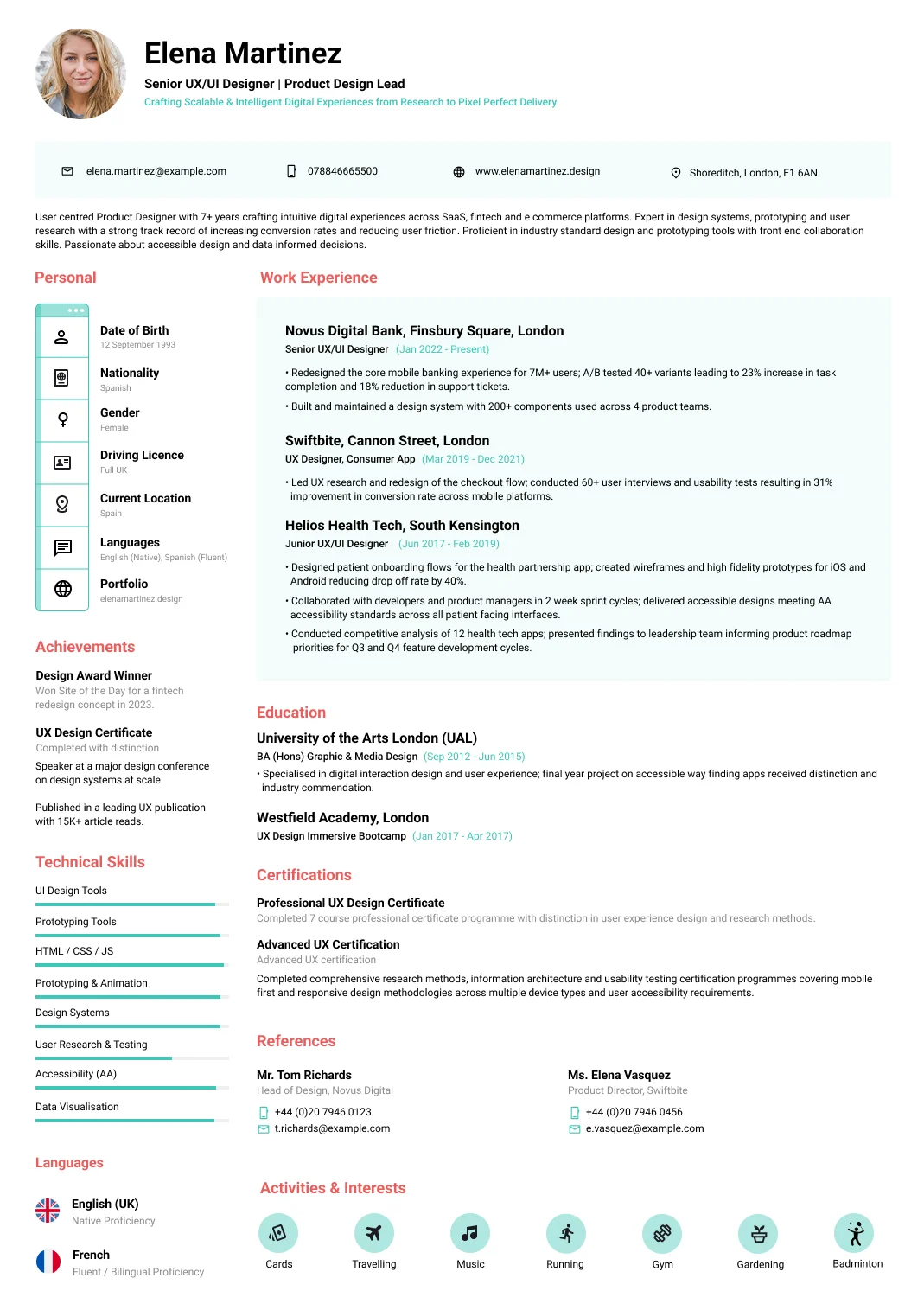
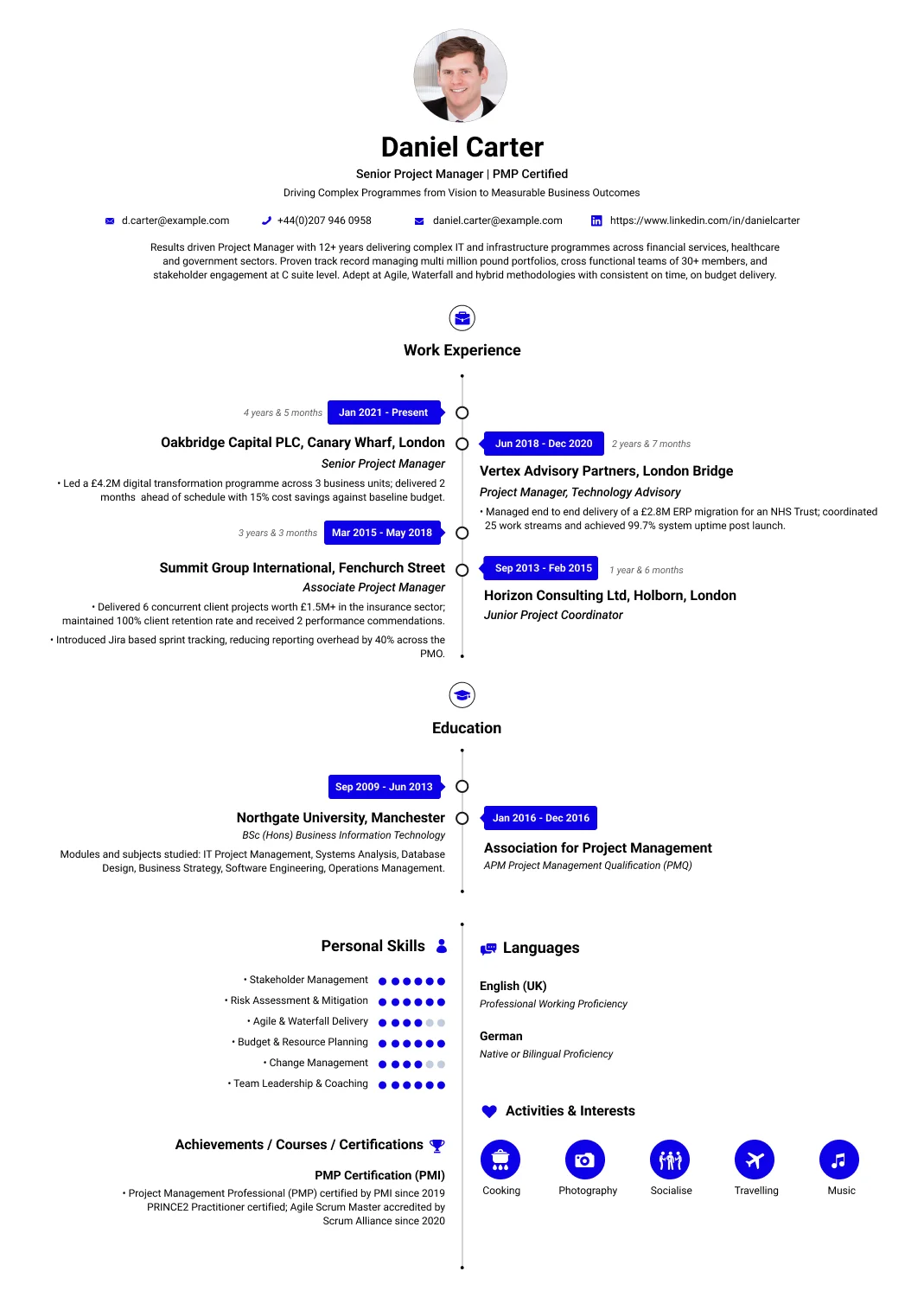
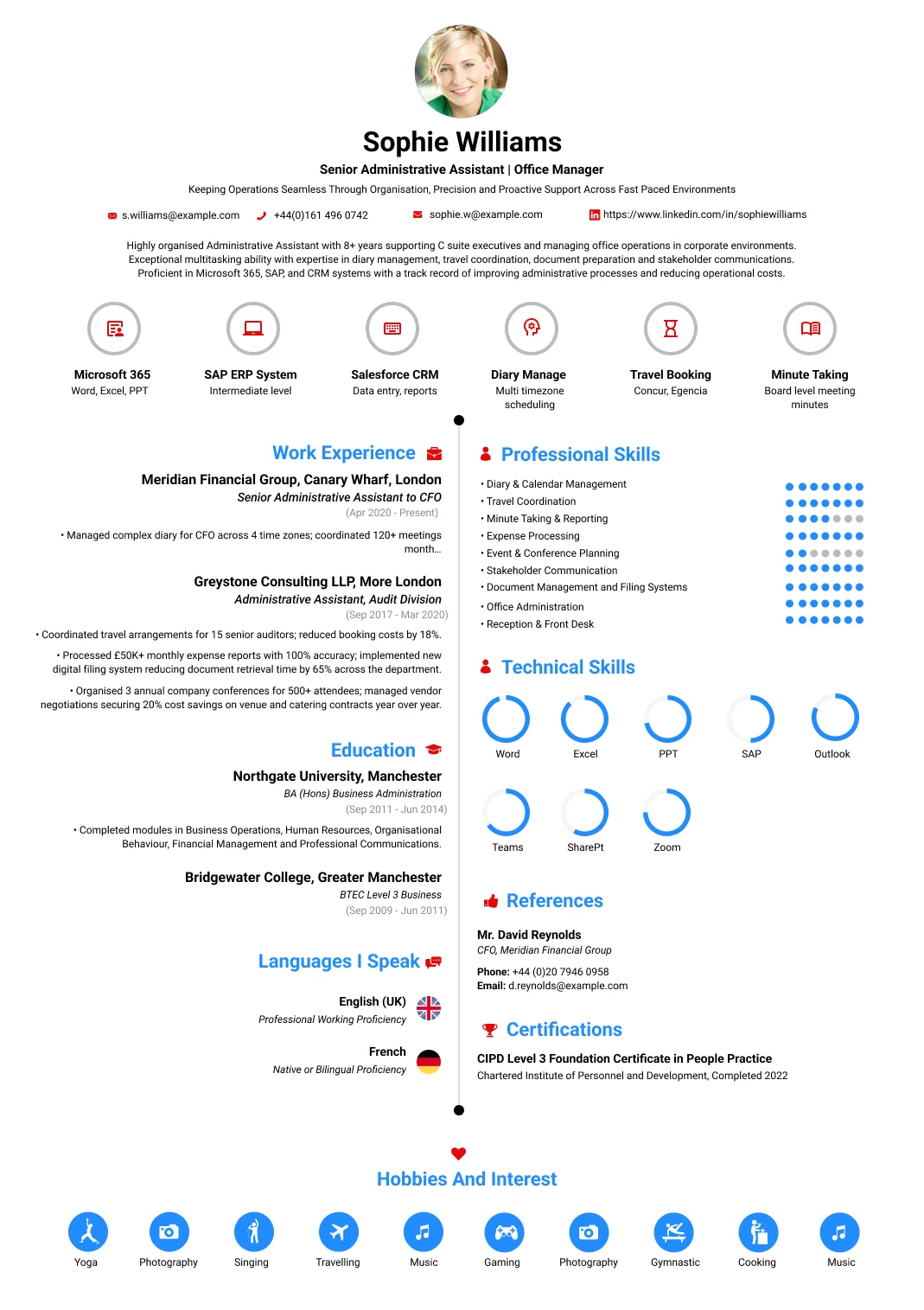
Computer and ICT teacher with ten years teaching computing, digital skills and programming to secondary students in Leeds. Plans and delivers lessons across the curriculum — from spreadsheets and digital literacy to Python and GCSE Computer Science — and makes abstract concepts genuinely click. Lifted GCSE Computer Science results above the school average and grew uptake of the subject through engaging, practical projects. Runs a popular after-school coding club, manages the ICT suite, and supports colleagues with classroom technology. Patient with nervous beginners and able to stretch the keen coders. Looking for a computing or ICT teaching role at a school that values strong digital education.
Work Experience
Computer / ICT Teacher
Leeds Secondary School, Leeds, UK
Sep 2016 – Present
- Teach computing and ICT across years 7-11, from digital literacy and spreadsheets to Python and GCSE Computer Science.
- Lifted GCSE Computer Science results above the school average through practical, engaging teaching.
- Grew uptake of Computer Science as an option by making lessons hands-on and relevant.
- Differentiate for mixed-ability classes, supporting beginners while stretching the keen coders.
- Founded and run a popular after-school coding club that introduces students to real projects.
- Manage the ICT suite and support colleagues with classroom technology and software.
ICT Teacher
Yorkshire Academy, Leeds, UK
Sep 2012 – Aug 2016
- Taught ICT and computing across key stages and prepared students for assessments.
- Developed schemes of work and practical resources adopted across the department.
- Ran catch-up and enrichment sessions that improved student outcomes.
- Built the classroom and curriculum skills that led to a lead computing role.
Education
BSc (Hons) Computer Science, Computer Science
University of Leeds
Sep 2008 – Jun 2011
- Computer science degree covering programming, systems and databases, with a growing interest in teaching. Tutored peers and ran coding workshops during the course. Progressed to a teaching qualification on graduation.
PGCE in Secondary Computing / ICT, Computing Education
Leeds Beckett University
Sep 2011 – Jun 2012
- Teacher-training qualification specialising in secondary computing and ICT, with supervised placements. It shaped the practical, project-based approach used in lessons. Led directly into a secondary teaching post.
Highlights
Results above average
- Lifted GCSE Computer Science results above the school average through practical, engaging teaching. Good results in a tough subject reflect lessons that genuinely make concepts click for students.
Grew the subject
- Increased uptake of Computer Science as an option by making the subject hands-on and relevant. More students choosing computing is the best vote of confidence in the teaching.
Qualifications
PGCE in Secondary Computing / ICT
Leeds Beckett University
Jun 2012 – Present
- Recognised teacher-training qualification specialising in secondary computing and ICT with placements. It shaped the practical, project-based method used in lessons. Supplemented with ongoing computing CPD.
Languages
- English (UK) — Native or Bilingual Proficiency
- German — Limited Working Proficiency
Technical Skills
- Computing Instruction
- GCSE Computer Science
- Programming (Python)
- Lesson Planning
- Differentiated Instruction
- Digital Literacy Teaching
- Assessment & Feedback
- Classroom Management
- ICT Suite Management
- Resource Design
Personal Skills
- Patience
- Communication
- Creativity
- Encouragement
- Dedication
Activities & Interests
- Fishing
- Skiing
- Motor Bike
- Play Piano
- Climbing
What Matters Most
Before the detail, here is what decides a strong computer teacher résumé in the UK:
- Name your QTS status and PGCE subject specialism early - a head of department checks for qualified secondary computing teacher status before reading anything else.
- Show the curriculum span you can teach: digital literacy and spreadsheets at KS3, then GCSE Computer Science (OCR J277 or AQA 8525) at KS4 - schools hire for both, not just coding.
- Quantify exam outcomes the way SLT do - GCSE Computer Science grades against the school average, Progress 8 contribution, or year-on-year uptake of the subject as an option.
- Lead with the programming languages and tools you actually teach (Python, Scratch, HTML/CSS, micro:bit) rather than a generic 'IT skills' line.
- Evidence the wider role: running the ICT suite, e-safety and online safeguarding, after-school coding clubs, and supporting colleagues with classroom technology.
- Write schemes of work and differentiation as concrete deliverables - mixed-ability classes where you stretch the keen coders and rescue the strugglers in the same lesson.
Why This Computer Teacher Resume Works
The sample reads like a working department member, not a job description. A few structural choices make it land with a head of computing:
- The summary opens with the qualification and the exact curriculum range - digital literacy and spreadsheets up to Python and GCSE Computer Science - so the reader knows in one line this candidate covers KS3 and KS4, not just one band.
- It leads with an outcome a senior leader cares about: GCSE Computer Science results lifted above the school average. That is the single number SLT screen for, placed before anything softer.
- Uptake growth sits right beside attainment, which is the smartest pairing on the page - more students choosing computing as an option is read as proof the teaching works, and it solves a real recruitment headache for under-subscribed departments.
- Differentiation is framed as one job, not a buzzword: supporting nervous beginners while stretching keen coders in the same mixed-ability room - the daily reality of a computing classroom.
- The wider role is visible - founding the coding club, running the ICT suite, supporting colleagues - signalling someone who carries departmental and technical load beyond timetabled lessons.
- The earlier ICT post shows progression: schemes of work that were adopted across the department, building toward the lead computing position rather than just listing duties.
How to Write a Computer Teacher Resume That Gets Interviews
Heads of computing skim for fit fast - qualification, curriculum range, results - then read for evidence. Write to that order:
Open with QTS, PGCE specialism and curriculum span
State qualified teacher status, your PGCE subject (secondary computing / ICT) and the key stages you teach in the first two lines. The sample does this well - 'computing, digital skills and programming to secondary students' tells a reader instantly you cover KS3 through GCSE. Vague 'IT teacher' openers get filtered. If you'd rather start from a layout that already sequences those opening lines, you can build it on a teaching-ready template and drop your own QTS and specialism straight in.
Quantify exam results the way SLT read them
Lead your headline achievement with a number a senior leader recognises: GCSE Computer Science grades versus the school average, percentage at grade 5+, Progress 8 figures, or A8 contribution. 'Lifted GCSE Computer Science results above the school average' beats 'improved student outcomes' because it names the qualification and the benchmark.
Name the languages, exam boards and tools you teach
Be specific: Python and Scratch for programming, OCR J277 or AQA GCSE Computer Science, HTML/CSS, micro:bit or BBC micro:bit, and the office suite for digital literacy. A reader needs to know whether you can pick up their spec without retraining. 'Programming' alone tells them nothing.
Show you built curriculum, not just delivered it
Schemes of work, assessment frameworks and resources you authored carry more weight than lesson counts. The sample's earlier role surfaces 'schemes of work and practical resources adopted across the department' - that signals you raise the whole team, which is how you get a TLR or lead role.
Make differentiation and e-safety concrete
Computing classes are mixed-ability and the subject carries online-safety responsibility. Show how you stretch confident coders while supporting beginners in one room, and reference e-safety / online safeguarding teaching. These are duties the rest of the school relies on the computing teacher to own.
Surface the wider contribution
Coding clubs, STEM enrichment, ICT-suite and network liaison, and supporting colleagues with classroom technology all show you carry load beyond your timetable. The sample's after-school coding club and suite management do exactly this - they read as commitment to the subject's profile across the school.
What to Include in a Computer Teacher Resume
A UK computing teaching résumé has a few sections a head of department expects to find, in roughly this priority:
Qualifications: QTS, PGCE in secondary computing / ICT, and your degree (a computer science or related degree reassures on subject knowledge).
Curriculum and key stages taught: KS3 digital literacy, KS4 GCSE Computer Science, and any A-Level or BTEC / Cambridge Nationals in IT.
Exam boards and specs: OCR J277, AQA 8525, or whichever board you have delivered - it tells a school how fast you can be timetable-ready.
Programming languages and tools: Python, Scratch, HTML/CSS, micro:bit, plus the productivity software you teach for digital literacy.
Measurable results: GCSE grades against benchmark, uptake of the subject as an option, intervention and catch-up outcomes.
Wider responsibilities: coding club, ICT-suite management, e-safety, CPD delivered to colleagues, and any pastoral or form-tutor role.
Safeguarding and DBS: a brief note that you hold an enhanced DBS and current safeguarding training is reassuring to a UK school.
Computer Teacher Resume Summary Examples
The sample's summary fits an established KS3-KS4 computing teacher; these are pitched at different career points so you can match the one nearest your own and adapt the specifics:
Entry-level resume summary example
Newly qualified secondary computing teacher (PGCE Secondary Computing / ICT, QTS) fresh from two placement schools, where Year 7 to Year 9 groups were taught the move from Scratch block coding into written Python. Built a six-week introductory programming scheme of work, complete with differentiated worksheets and low-stakes quizzes, that the placement department kept on after the placement ended. Co-taught GCSE Computer Science revision on the OCR J277 algorithms unit and ran a weekly lunchtime coding club that grew from four to nineteen students. Comfortable embedding e-safety into every digital-literacy unit and confident managing a thirty-student ICT suite. Seeking a first computing post at a school building genuine programming capability from Key Stage 3 upward.
Mid-level resume summary example
Computing and ICT teacher with six years delivering the full secondary curriculum, from Key Stage 3 digital literacy and spreadsheets through to OCR J277 GCSE Computer Science. Brought a struggling Year 11 cohort from 41% to 63% at grade 5 and above in two years by rebuilding the algorithms and programming scheme of work around weekly Python practice and exam-question drills. Designs differentiated lessons that move confident coders into independent projects while keeping beginners on the core objectives in the same mixed-ability room. Runs the ICT suite, leads online-safety teaching across the year group, and mentors trainee teachers on placement. Looking to take on a second-in-department or curriculum-lead responsibility within a strong computing team.
Senior-level resume summary example
Head of Computing with eleven years' experience leading a department across Key Stage 3, GCSE and A-Level Computer Science. Rebuilt the GCSE scheme of work around OCR J277, lifting grade 5+ outcomes by eighteen points and doubling option uptake from twenty-two to forty-four students over three years through Key Stage 3 taster projects and a visible coding culture. Line-manages three teachers, owns the computing CPD programme for non-specialist colleagues, and reports attainment and Progress 8 contribution directly to senior leadership each data drop. Holds the network-liaison and online-safeguarding lead role for the whole school. Seeking a head-of-faculty or assistant-head post where computing and digital strategy sit at the centre of the curriculum.
Computer Teacher Work Experience Examples
Strong computing-teaching bullets pair a concrete instructional move with a number a senior leader recognises; these labelled sets show the range across the role so you can keep yours distinct from the sample's and from each other:
GCSE Computer Science delivery
- Delivered OCR J277 GCSE Computer Science to two Year 11 classes and rebuilt the algorithms scheme of work around weekly Python practice, lifting grade 5+ outcomes from 48% to 67% across two consecutive cohorts.
- Coached exam technique on the programming and algorithms paper, the department's weakest component, through past-paper marking clinics that raised the mean component mark by almost a full grade for the borderline group.
- Authored a Python programming-skills booklet adopted across Key Stage 4, sequencing selection, iteration and arrays so the gap between the strongest and weakest coders in each class narrowed measurably by mock season.
- Ran a weekly after-school intervention for sixteen borderline students using targeted exam-question practice, with every attendee meeting or exceeding their target grade in the summer GCSE Computer Science series.
KS3 digital literacy and programming
- Designed a Scratch-to-Python progression across Years 7 to 9 that takes pupils from block coding to confident written code, building the genuine programming capability that feeds a healthy GCSE Computer Science option cohort.
- Taught digital literacy, spreadsheet modelling and online safety to mixed-ability Key Stage 3 groups, embedding an e-safety focus into every half-term unit and tracking progress against the National Curriculum computing strands.
- Differentiated each lesson so confident coders extended into independent micro-project work while beginners secured the core objective, keeping a thirty-student ICT suite productively on task throughout the double period.
- Introduced micro:bit physical-computing projects into Year 8, lifting lesson engagement and measurably increasing the number of pupils choosing Computer Science as a GCSE option the following year.
Department and whole-school contribution
- Founded and ran an after-school coding club that grew to over thirty regulars, mentoring student entries into the Bebras Computational Thinking Challenge and Cyber Discovery and raising the subject's profile across the school.
- Authored schemes of work and common assessments adopted across the computing department, standardising Key Stage 3 marking and giving the whole team a shared, moderated picture of pupil attainment each term.
- Managed the ICT suite and liaised with network technicians on imaging, software licensing and pupil access for over 180 students, keeping classroom technology reliable enough that teaching time was rarely lost to faults.
- Delivered computing CPD to non-specialist colleagues on classroom technology and safe use of online tools, and led the e-safety assemblies that fed directly into the school's online-safeguarding policy review.
Top Computer Teacher Skills
List the skills a head of computing actually times you against - curriculum, programming instruction and the spec you deliver - not generic IT labels:
Listing these skills is only half the task; they need to sit in a clean, scannable layout. A free resume builder tool lets you group classroom software and curricula so a hiring panel reads them at a glance.
Hard skills
- Computing curriculum delivery (KS3-KS4)
- GCSE Computer Science (OCR J277 / AQA 8525)
- Python programming instruction
- Scratch and block-based coding
- Digital literacy teaching
- Lesson planning and schemes of work
- Differentiated instruction
- Assessment, marking and feedback
- Exam-technique coaching
- Data and attainment tracking
- ICT-suite and network management
- E-safety and online safeguarding
- HTML/CSS and web fundamentals
- Physical computing (micro:bit)
- Behaviour and classroom management
- Intervention and catch-up planning
- Resource and worksheet design
- After-school STEM / coding club leadership
- CPD delivery to colleagues
Soft skills:
- Patience with nervous beginners
- Clear explanation of abstract concepts
- Encouragement
- Creativity
- Adaptability across abilities
- Collaboration with the department
Key Certifications & Licences for a Computer Teacher
Two things carry weight here: the teaching licence that lets you stand in front of a class at all, and the IT credentials that reassure a head of department your subject knowledge is current. Lead with the first, use the second to stand out:
-
QTS
— Teaching Regulation Agency (UK) Required to teach in a UK state secondary school - usually gained via a PGCE in secondary computing/ICT or a school-based route. Name it in your first two lines.
-
State Teaching Licence / Certification
— US state department of education / licensing board Required to teach in US public schools; the exact route and subject endorsement vary by state. State your endorsement area (Computer Science, Business/Technology) explicitly.
-
Praxis Computer Science
— ETS The subject-knowledge test many US states require to add a Computer Science teaching endorsement. Passing it is what makes you timetable-legal for CS, not just IT.
-
Google Certified Educator
— Google for Education Optional but well-recognised; signals you can run a Google Workspace / Classroom environment fluently, which most schools now rely on.
-
CompTIA IT Fundamentals / A+
— CompTIA Optional. Vendor-neutral proof of hardware, networking and troubleshooting knowledge - useful if you manage the ICT suite or teach the theory paper and want to evidence current technical depth.
-
Microsoft Certified Educator / MIE
— Microsoft Optional educator credential; pairs well with digital-literacy teaching on the Office suite and shows you keep your classroom-technology skills current.
Common Computer Teacher Resume Mistakes
These are the slips that cost computing teachers interviews - most are specific to how schools screen the subject:
- Writing 'IT teacher' or 'ICT' generically without naming the GCSE spec and programming languages you actually teach - the reader can't gauge timetable fit.
- Burying QTS and PGCE specialism at the bottom - a head of department needs to see qualified secondary computing status in the first lines.
- Listing duties without outcomes - 'taught GCSE Computer Science' says nothing; the grades, the benchmark and the uptake do.
- Confusing industry coding skills with teaching skills - schools hire for your ability to take a beginner to working code, not for your own portfolio.
- Ignoring e-safety and safeguarding - in computing this is a core responsibility, and leaving it out reads as a gap.
- Treating KS3 digital literacy as filler - it is half the timetable, and showing a Scratch-to-Python progression proves you build genuine programming capability.
Computer Teacher Resume FAQs
The questions UK candidates most often search when writing a computing-teaching résumé:
Yes - to teach computing in a UK state secondary school you need Qualified Teacher Status (QTS), usually gained through a PGCE in secondary computing / ICT or a school-based route. Independent schools may be more flexible, but QTS is what most heads of department screen for first, so name it early on your résumé.
You need a degree to gain QTS, and a computer science or closely related degree strengthens your application considerably. Schools want confidence in your subject knowledge for GCSE and above; if your degree is in another field, a subject-knowledge-enhancement (SKE) course and clear computing experience help bridge the gap.
List the languages you actually teach - most commonly Python and Scratch, plus HTML/CSS and often micro:bit for physical computing. Python is the dominant language in GCSE Computer Science, so naming it signals you can deliver the practical programming paper without retraining.
Name the specs you have delivered - most schools run OCR J277 or AQA 8525. Stating the board tells a head of department how quickly you can become timetable-ready, since the assessment structure and programming requirements differ between them.
Quantify against a benchmark senior leaders recognise: GCSE Computer Science grades versus the school or national average, percentage at grade 5+, Progress 8 contribution, or year-on-year uptake of the subject as an option. A number tied to a benchmark beats 'improved results' every time.
Lead with curriculum and instruction skills - GCSE Computer Science delivery, Python and Scratch instruction, digital literacy, differentiation, assessment and schemes of work - then add the wider role: ICT-suite management, e-safety, and coding-club leadership. Avoid generic 'IT skills' lines that don't show teaching ability.
Computing leans on programming and computer science theory (algorithms, Python, GCSE Computer Science), while ICT leans on digital literacy and application skills. Most UK secondary teachers now cover both, so show the full span - KS3 digital literacy through to KS4 GCSE Computer Science - rather than positioning yourself in only one camp.
Extra tips
Safer-recruitment checks flag unexplained gaps, so give month-and-year dates with no holes.
A missing year invites questions before your teaching is even read.
Get Started With Our
Free Resume Creator today!
Free sign-up. No credit card required.